
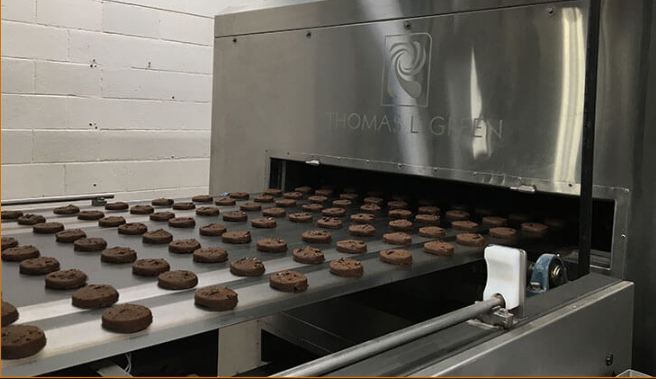
Getting the Heat Right in Your Deck Oven
If you’ve ever spent time in a professional kitchen, you know that just throwing more power at a problem doesn’t actually fix it. Raw wattage is one thing, but stability? That’s where the magic happens. That’s why we use 500W infrared lamps. They aren’t just generic bulbs; they’re designed to hit that sweet spot where industrial standards meet the actual needs of a baker.
Why 500W?
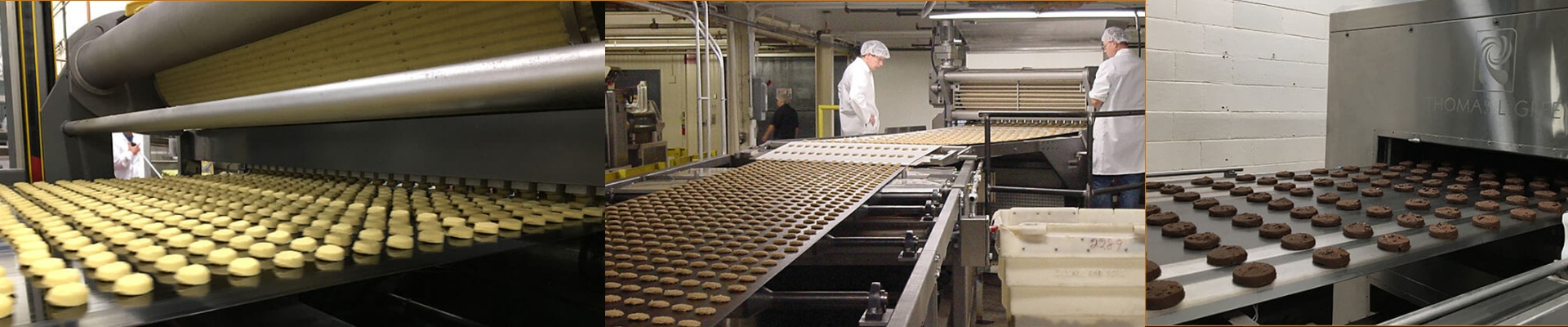
Here’s the thing: you want the heat to get deep into the dough without torching the crust. If the outside burns before the middle is cooked, you’ve got a problem. We’ve tuned these lamps to spread heat evenly across the deck. No more guessing games. No more “hot spots” that leave half your batch burnt and the other half pale. You just get a consistent, reliable bake every time.
The Nitty-Gritty Stuff
We use high-purity quartz glass for a reason. Commercial kitchens are brutal—they go from freezing to scorching in seconds. This glass can take that kind of abuse without cracking. Inside, the filament is set up to push out short-wave radiation. In plain English? The heat hits your product immediately. It doesn’t waste time warming up the air around it first. It just works. And we didn’t skimp on the connectors. A loose fit at 500W is a recipe for disaster—it creates resistance, things get too hot, and then your lamp burns out way too early. We make sure our terminals can handle a heavy, continuous load without breaking a sweat.
Let’s Talk About “Precision”
You’ll see plenty of companies promising “perfect” control. But let’s be real: the lamp is only half the story. It’s all about how the lamp talks to your PID controller. Our lamps respond linearly to voltage tweaks. This means when your controller asks for a change, the lamp delivers it predictably. It lets you hold a steady temperature that can go toe-to-toe with the most expensive brands on the market. One quick tip, though. 500W lamps put out a lot of radiant heat. If your oven housing isn’t insulated well, you’re basically paying to heat the room, not your bread. Also, make sure your vents can handle the total heat output. You don’t want your electronics frying because the air has nowhere to go.