Keeping Your Portable Deck Oven from Acting Up
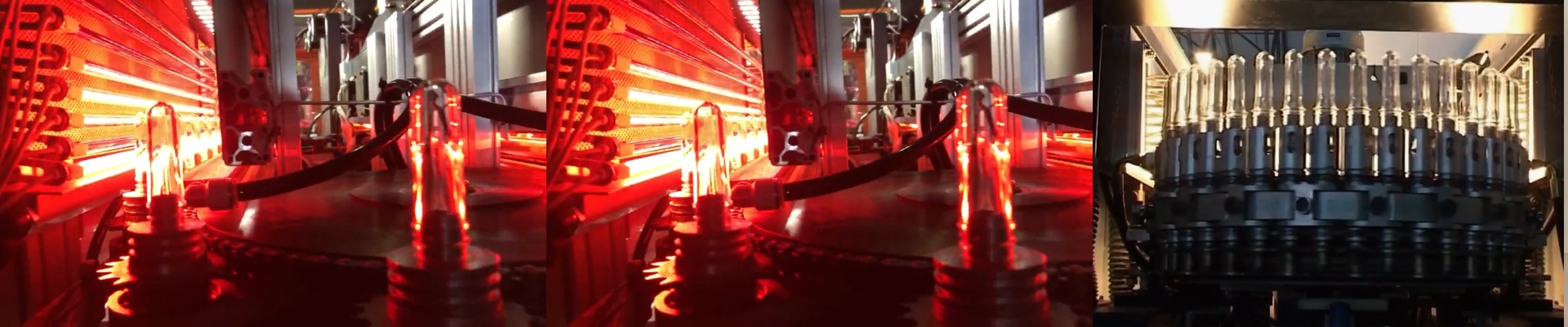
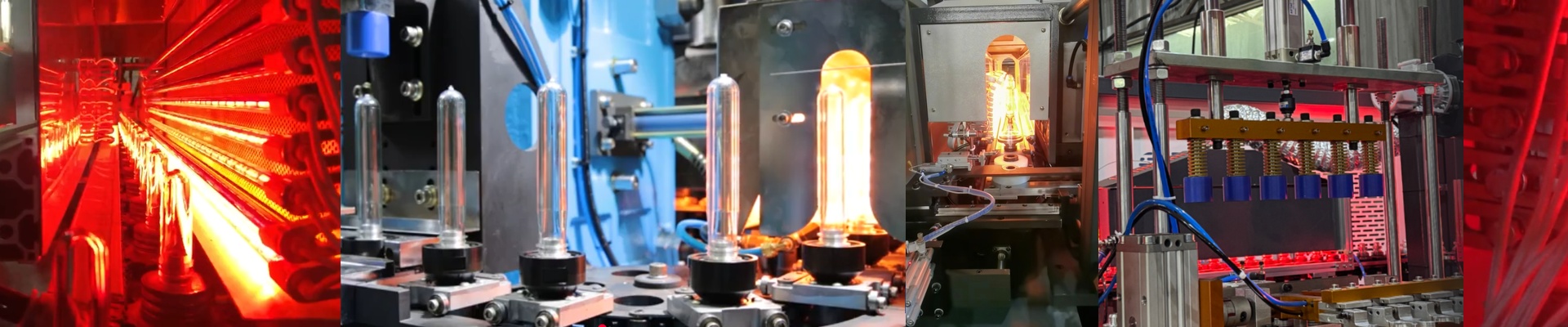
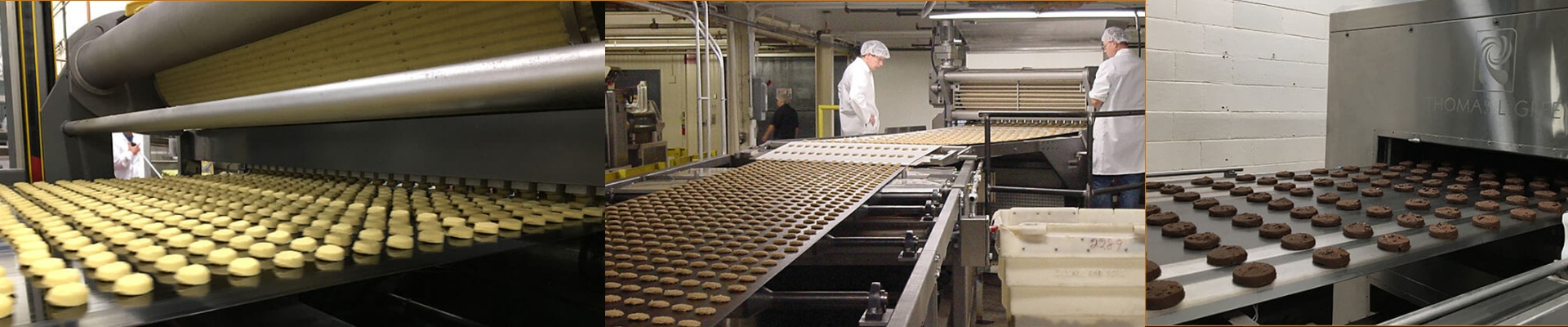
If you’ve ever parked a portable deck oven near a drafty loading dock or in a humid, chaotic kitchen, you know the struggle. The air around the oven basically steals the heat right off the baking surface. It’s frustrating. You set your temp, but the environment has other plans, and suddenly your batch is ruined. We built our replacement infrared tubes to play nice with real-time compensation systems. The goal? Stop those temperature swings before they mess up your bake. Why your thermostat isn’t enough Here’s the thing: standard thermostats are slow. They lag. By the time the sensor realizes the oven floor has cooled down, the damage is already done. Our setup works differently. It constantly watches the gap between where your temperature is and where it should be. Instead of just clicking on and off like a light switch, the controller tweaks the wattage on the fly. It just pushes a bit more power to fight off the cold air in the room. It’s a much smoother ride. The nuts and bolts of the tubes We use high-purity quartz for these tubes because it lets the infrared heat through without any roadblocks. We also designed them for high heat density. Why? Because when that compensation system kicks in, you need the tube to get screaming hot in seconds, not minutes. But a quick heads-up:Check your voltage and wattage before you swap these out. If you put in a tube with a higher wattage than what you had before, it’s going to pull more current. If your wiring isn’t ready for that, you’re looking at tripped breakers or burnt-out contacts. Not a fun way to spend a Tuesday. Getting them installed (and keeping them alive) These are simple drop-in replacements. We used standard connectors, so you can get them wired up without having to hack away at your oven’s chassis. One big warning, though:Do not touch the glass with your bare hands. Quartz is weirdly sensitive to the oils on your skin. If you leave a fingerprint on there, it creates a hot spot. That hot spot eventually turns into a crack, and then you’re buying a new tube. Use gloves. Simple as that. And while you’re at it, give the reflectors a scrub every now and then. It keeps the heat pointed exactly where it belongs—on the deck.