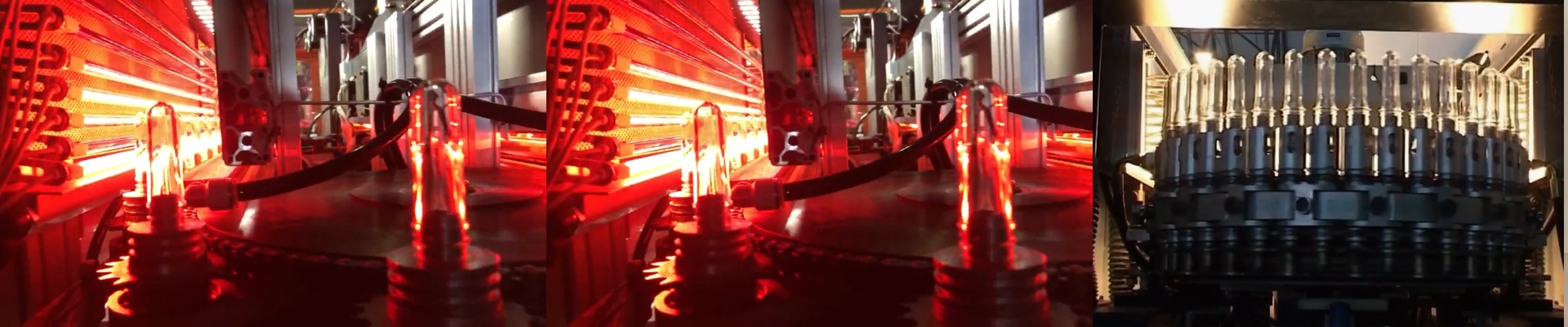
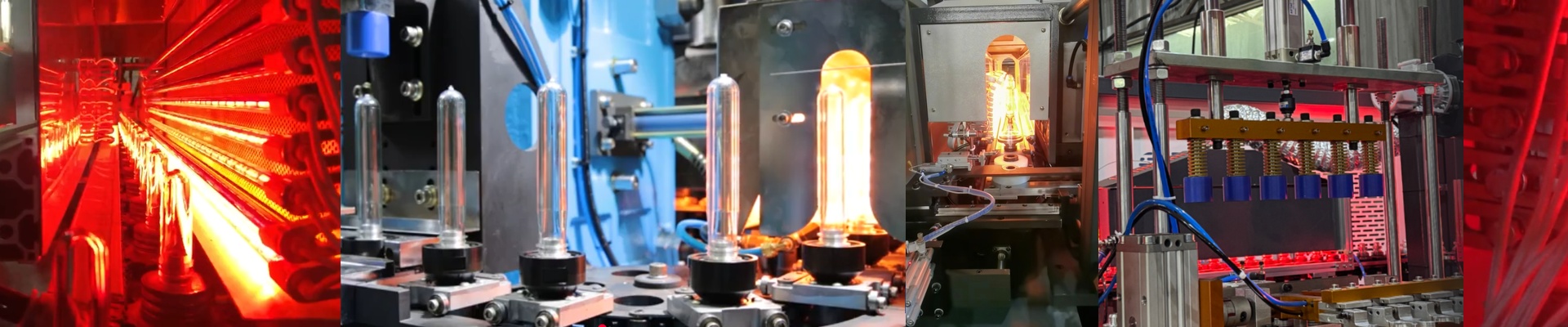
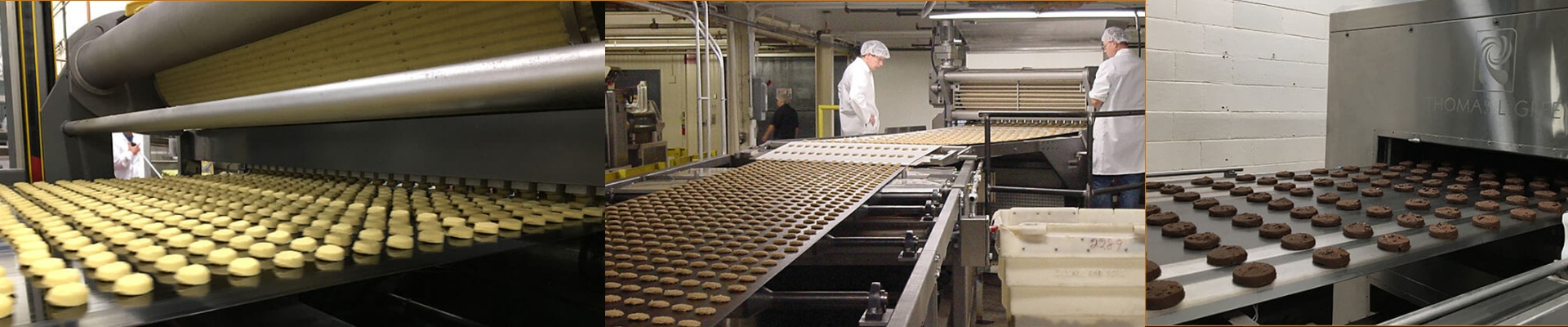
When the rush hits, your rotary oven can’t afford cold spots or slow recovery. Weak heat gives you uneven bakes—pale bottoms, tops that over-brown, and a crust that never gets the deep caramelization customers pay for. We built our stainless steel infrared lamp system to cut through that inconsistency and keep output steady, even when you’re running back-to-back cycles. What matters under the hood These lamps use short-wave infrared, so they deliver quick, targeted energy that hits the dough surface fast without cooking the whole baking chamber. The stainless steel housing stands up to grease, steam, and constant cleaning, and the reflector geometry focuses the heat right where the product travels. In practice, you get a fast warm-up, tight temperature stability, and consistent radiant heat across the rotating deck. That means repeatable control, not guesswork. Why it clicks in a rotary oven In a rotary, product follows a predictable path. Infrared heat tracks that path with precision, so every tray gets the same exposure. You see consistent color development—glossy, even browning with a crisp bite—and interiors that stay tender. The fast response shortens bake windows, boosts throughput during peak service, and keeps the oven recovering quickly between loads. Energy use drops because the heat is applied where it’s needed, when it’s needed, instead of heating the entire cavity. What you need to get right Mounting requires proper clearance to the rotating pans and a dedicated power circuit that matches the lamp voltage and amperage. Because infrared output is directional, lamp alignment and clean reflectors directly affect uniformity. Plan for routine checks and keep spare lamps on hand to avoid downtime. Set up correctly, the system holds up to high-volume work and delivers the even, controlled browning your menu depends on.