You know that moment—tickets stack up, the stone hearth is screaming hot, and the top of the oven starts to collapse. The bake goes sideways. The center lags while the rim chars. You toggle the thermostat, but recovery is sluggish, and every extra minute bleeds time, product, and margin. In a busy pizza line, heat isn’t just temperature—it’s control. It’s hitting the same bake profile, again and again, even when the kitchen is maxed out. The 1500W infrared tube for pizza ovens is built around that reality: a direct-output heating element that delivers fast, controllable radiant heat right where you need it, without tearing out and replacing the whole oven.
What matters under the hood
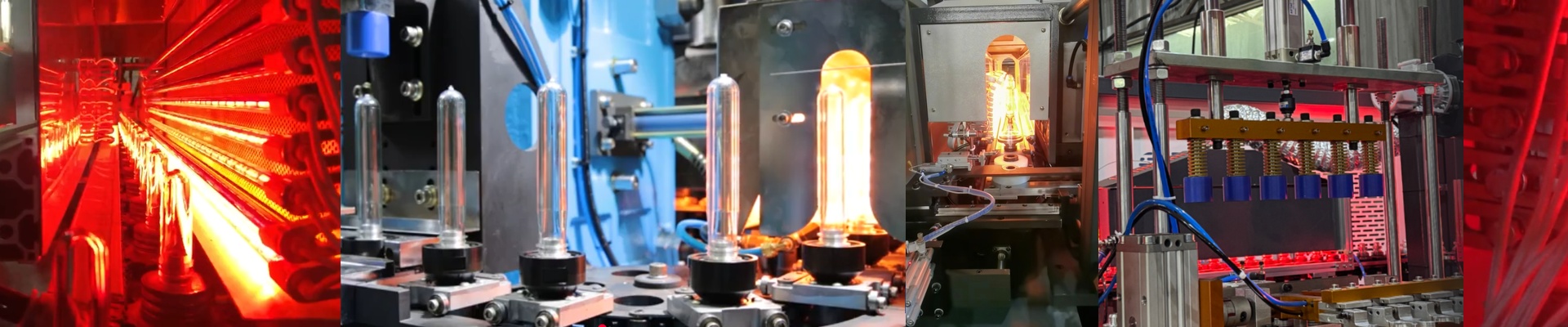
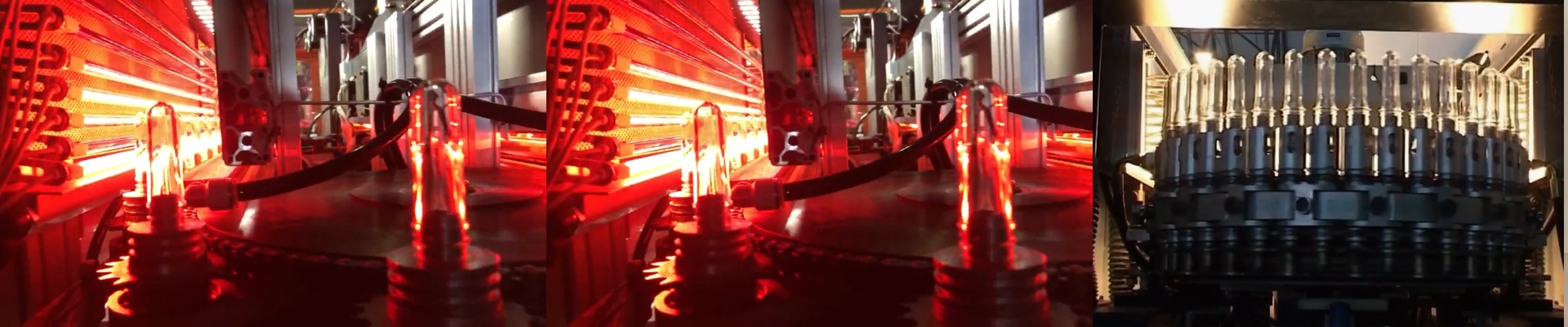
The specs look simple on paper, but each one is chosen to match how a pizza oven actually works when it’s loaded and under pressure. 1500W output, sized for commercial duty cycles. In a deck oven or a rotary oven, the top zone is often the bottleneck during a rush. A 1500W infrared tube has enough punch to drive rapid recovery after loading, without overloading the oven’s electrical design. In practice, that means you can push more pies through the same window without the top heat folding. Infrared (NIR) radiation: heat aimed at the food, not the air. Infrared energy travels straight from the tube to the product, penetrating crust and toppings more efficiently than air-heavy convection alone. You get faster, more even surface browning while the center cooks through without drying out. That’s the difference you feel most on stone hearth decks, where the floor is already delivering bottom heat. Quartz tube construction: quick heat-up, stable output. Quartz tubes come up to temperature fast and hold steady during repeated door openings. That stability cuts down swing in the baking chamber, so you can keep repeatable bake profiles even when service is chaotic. Compact form factor: fits where other elements won’t. The tube profile is built to drop into the tight upper-heat zones of many pizza ovens—under the deck, above the hearth, or along the crown—without blocking loading or service access. 1500W at standard commercial voltages (120V/240V, configuration-dependent). The power draw is sized to work with typical kitchen power runs while still delivering meaningful heat. Matching the voltage to your shop’s supply keeps the install clean and avoids rewiring headaches.
Why this works across the board
Commercial kitchens don’t need “one temperature.” They need heat you can shape for different tasks. The 1500W infrared tube earns its keep because it behaves differently than a convection heater, and that difference shows up on the plate. Pizza: fast top heat for consistent blistering and leoparding. Pizza bakes fast, and the top bake window is tight. Infrared gives you rapid surface browning and controlled blistering, while the stone or deck takes care of bottom crisp. During rushes, the tube helps the oven recover quickly between bakes, so the rim doesn’t burn and the center doesn’t undercook. Baking (deck ovens): balanced heat for bread and pastries. In a bakery deck oven, you want predictable crust development, not harsh hot spots. Infrared tubes complement deck heat by improving top-load uniformity, especially on items with exposed surfaces—breads, focaccia, flatbreads, and certain pastry finishes. The payoff is more repeatable color and texture, batch after batch. Rotary ovens: steady radiant heat across moving product. Rotary ovens depend on consistent heat distribution as the product moves. Infrared tubes can help stabilize the upper zone, reducing the “cool spot” effect near the door and improving color consistency across the load. That matters when you’re running the same program all day and need the output to look the same at 5 p.m. as it did at 10 a.m. Grilling and finishing: targeted browning without overcooking. When you’re finishing a steak, a sandwich, or a gratin, you don’t want to dry the whole pan out—you want surface browning, fast. Infrared delivers that concentrated, direct energy. It hits the crust you want, quickly, without driving moisture out of the entire product. Holding and warming: even heat without drying. Food warming cabinets and holding stations win when they keep food at temperature without turning it leathery. Infrared tubes can provide gentle, even warmth that helps maintain plate temperature and food texture—especially for soups, sauces, and pre-baked breads that are sensitive to air movement and drying.
The details that matter on the floor
A good component still needs the right setup. Here are the real-world points to plan for. Installation and clearances matter. Infrared tubes run hot at the surface, and the heat path is direct. Mounting has to respect clearances to oven walls, stone hearths, trays, and moving parts. Too close, and you risk localized overheating. Too far, and you lose the intensity that makes the technology work. Compatibility is oven-specific. Not every deck oven, rotary oven, or finishing station is designed to accept a tube-style infrared element. Verify mounting points, terminal access, and available space. In some ovens, the change is straightforward; in others, you may need brackets or a custom mounting plate. Control works best when matched to the task. For consistent results, pair the tube with a thermostat or control strategy that understands radiant heating behavior. Some ovens rely on air temperature sensing, which can lag behind the actual surface heat the food experiences. If your oven’s control isn’t aligned to radiant output, you may need to adjust your bake profile or add a dedicated zone control. Keep the tube and reflector clean. Infrared efficiency depends on clean surfaces and clean reflectors. Grease, flour, and carbon buildup scatter heat and create uneven zones. A regular cleaning schedule—tied to your oven maintenance—keeps output predictable and helps the element last. One practical trade-off: focused heat isn’t “set-and-forget.” Infrared tubes deliver strong, direct energy, which is exactly why they perform. But that also means they can overshoot on delicate items if left unmanaged. The fix is simple in practice: use them as a zone heater, not the only heat source. Combine them with deck heat, convection, or timing controls to keep the bake in the sweet spot. If your oven is struggling to recover during service, if your top bake is inconsistent, or if your team is compensating with technique because the equipment can’t keep up, the 1500W infrared tube is a practical way to bring control back to the baking chamber. It’s a targeted upgrade—one that tightens the bake window, supports faster service, and delivers more repeatable results across pizza, baking, finishing, and holding.