
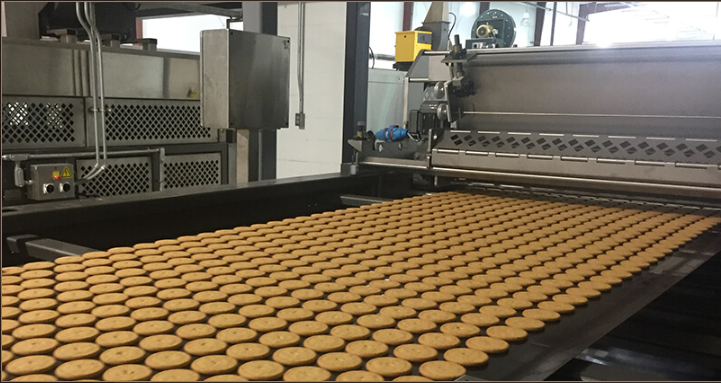
Keeping Your Bread Ovens Steady When the Room Gets Cold
If you’ve ever run a bakery or a factory, you know the struggle. One minute everything is perfect, then a draft hits the floor or the seasons shift, and suddenly your oven’s internal temp starts to dip. It’s a nightmare for consistency. We deal with this by using short-wave infrared bulbs tied into a closed-loop PID system. Basically, it’s a way to make sure your oven doesn’t care what’s happening outside the chamber.
How the heat actually stays steady
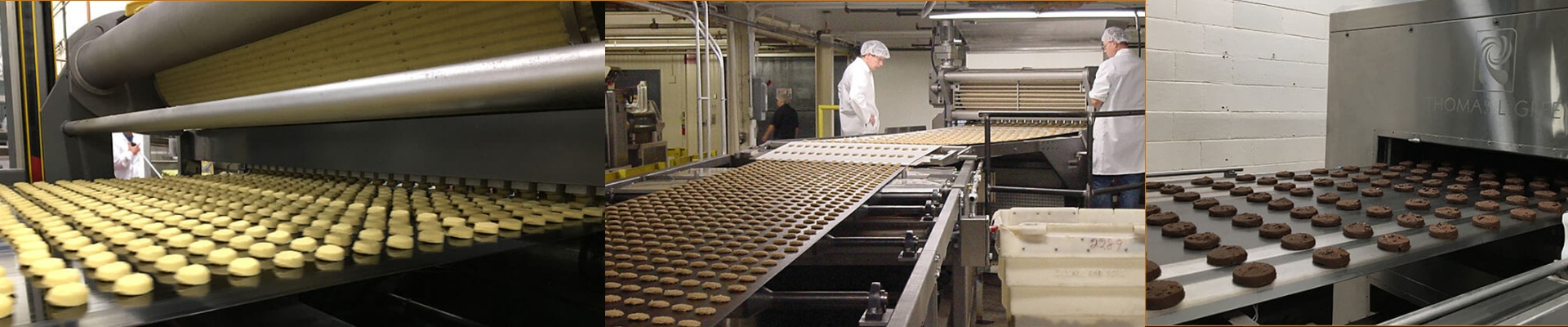
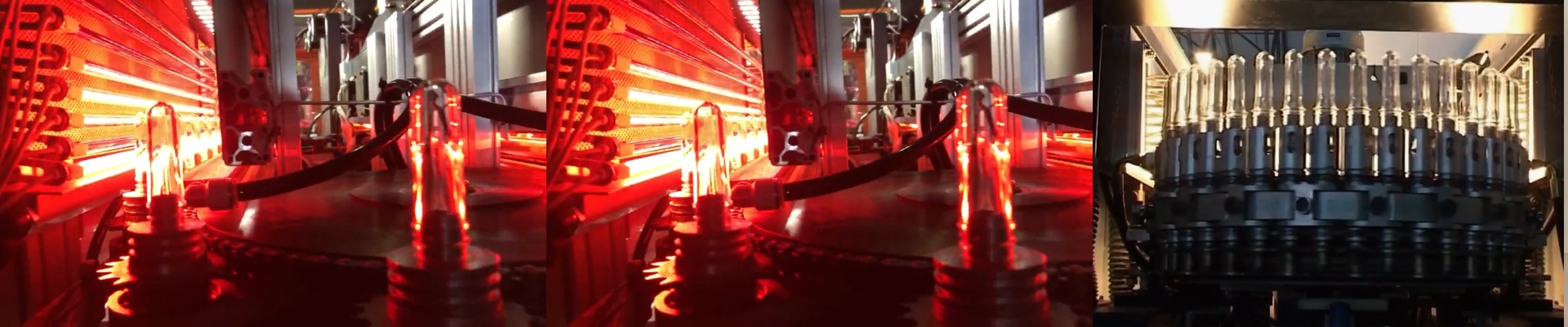
Most heating elements are slow. They take forever to warm up and even longer to cool down. Infrared bulbs are different. They use radiation, so the heat hits the doughinstantly. To keep things from dipping, we use high-speed thermocouples that act like the oven’s eyes. They feed data back to the controller every millisecond. If the room air starts stealing heat from the chamber, the system just bumps up the voltage to those bulbs. It happens so fast you won’t even notice it. The baking surface just stays exactly where you set it.
The gear we use
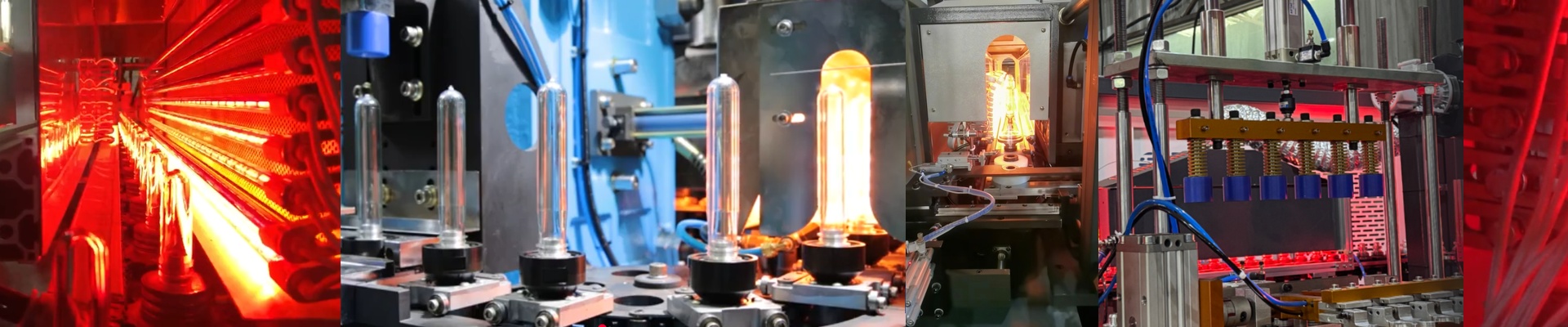
We stick with quartz-halogen tubes. Why? Because quartz can take the heat without warping or twisting. But here’s the trick: you can’t just throw the biggest bulbs you find in there. We spec the wattage and voltage based on the size of your oven to make sure the heat is spread evenly across the tray. If you go too heavy on the wattage, you’ll end up with a burnt crust and a raw center. You’ve got to find that sweet spot between the bulb’s power and how fast your conveyor is moving.
The part where people mess up
Getting high-precision IR control isn’t just a “plug it in and forget it” situation. The faster your system reacts to temperature changes, the more stress you put on those bulbs. If you just use basic on/off relays, you’re going to burn through your lamps in a few weeks. It’s a waste of money. Instead, we use a high-quality SCR (Silicon Controlled Rectifier). It smooths out the power flow so the bulbs don’t take a beating. Also, make sure your wiring can handle the peak current. If you have voltage drops, your calibration goes right out the window.