
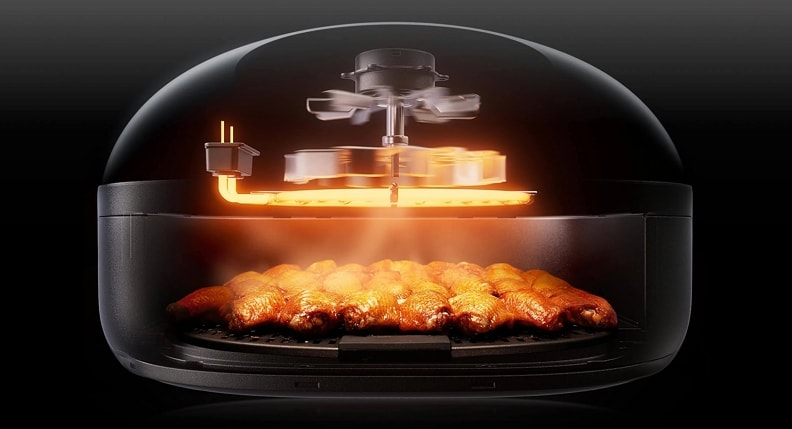
Why we use 500W IR Emitters for Precision Baking
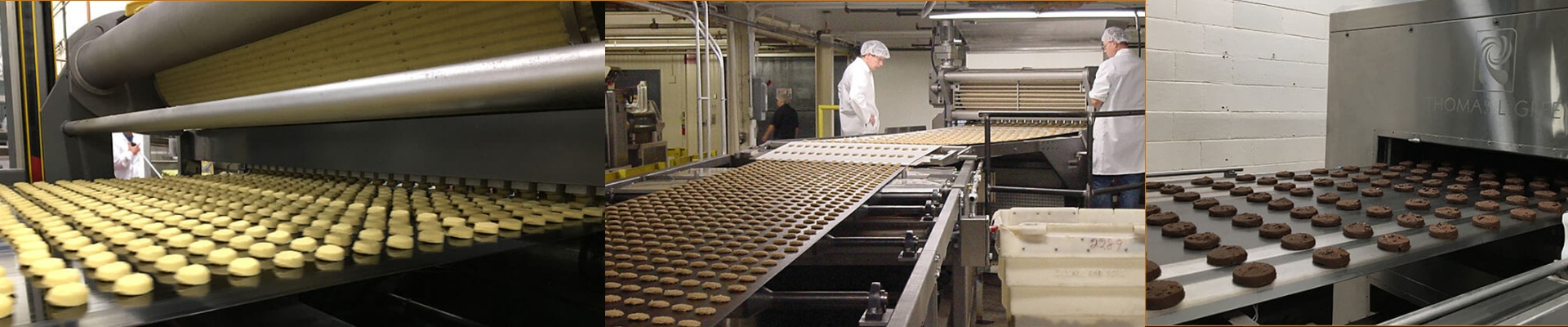
If you’ve ever spent time in a high-end kitchen, you know that just “setting the temperature” isn’t enough. To get that perfect crust or a specific rise, you need the heat to move fast. The problem with standard convection or resistive heating is the lag. It’s sluggish. To fix that, we put 500W shortwave infrared (IR) emitters in our steam ovens. The secret is in the response time. Most heaters have to warm up the air first, and the air then warms the food. It’s a slow process. But IR radiation is different. It hits the surface of your bake directly. When we pair these emitters with a PID controller and a high-frequency SSR, the response is almost instant. You can jump from 150°C to 180°C and hit that mark without the usual waiting game. It’s snappy. Dealing with heat inertia. We chose the 500W rating because it’s the “sweet spot” for mid-sized ovens. One of the biggest headaches with heavy cast-iron elements is that they keep heating up even after you turn them off. They “overshoot” the target. But since these quartz envelopes heat and cool so quickly, the control loop stays tight. You get exactly what you asked for, nothing more. A few things to watch out for. Now, this kind of speed comes with a catch. Because these lamps pack so much heat into a small space, they can create intense hot spots. If your airflow isn’t dialed in, you might end up warping the chassis or frying your wiring. And here is a pro tip: put your sensors right next to the product. If they’re just stuck to the oven wall, you’re back to square one with the lag. Making it work in a steam environment. Steam ovens are basically death traps for electronics. Moisture gets everywhere. We built these emitters to take the humidity without losing power. This lets you do something pretty cool: you can flash-sear the outside of your bread or pastry to get that golden crunch, while the steam keeps the inside soft and moist. It’s all handled by rapid-fire power cycling that happens in the blink of an eye.