Making Infrared Heating Actually Work in Steam Ovens
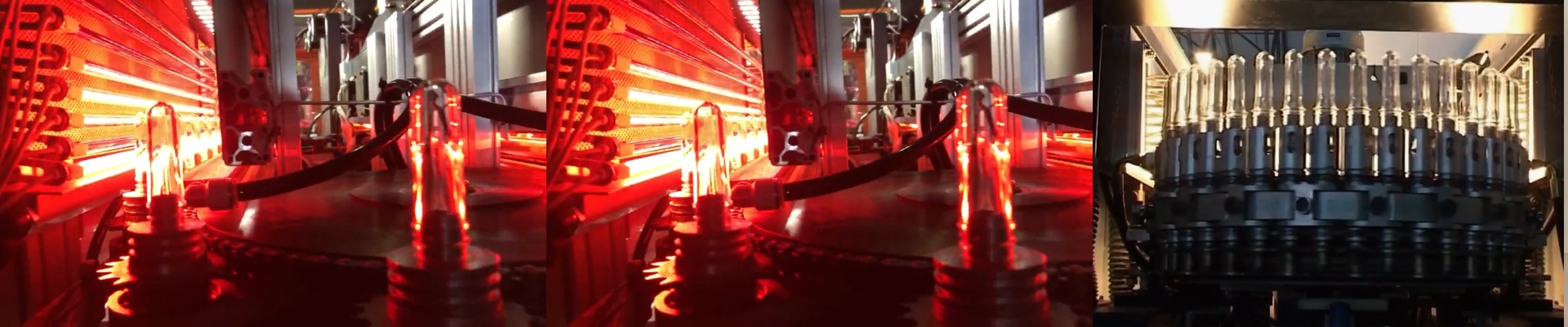
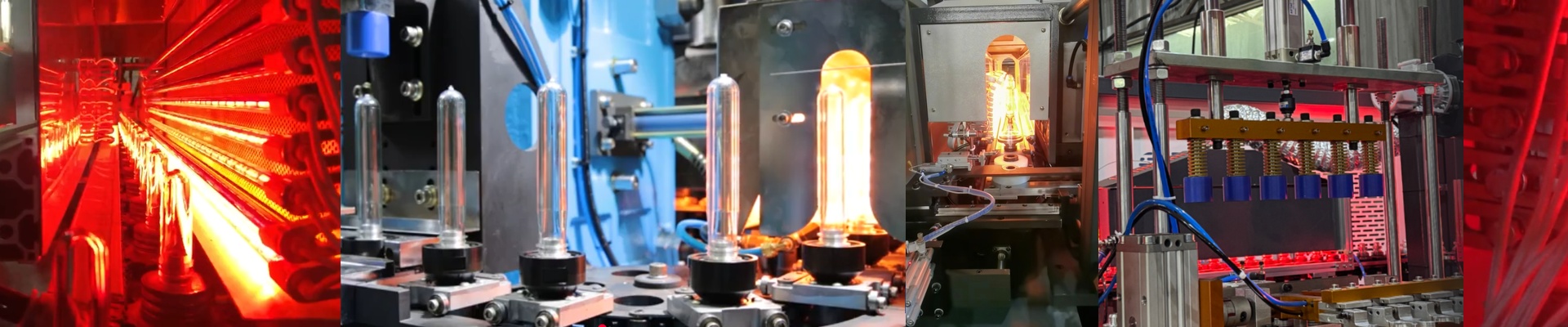
Let’s be honest: steam ovens are a nightmare for heating elements. You’ve got thick humidity, water dripping everywhere, and the temperature plummets every single time someone opens the door. It’s a brutal environment. To keep things stable, we lean on shortwave infrared (IR) lamps. They pack a ton of heat into a tiny space, which is exactly what you need when you’re fighting against a cloud of steam.
The Heat and the Power
The goal is to hit your target temperature in seconds, not minutes. We use high-wattage quartz tubes because they let us concentrate a lot of energy in a small footprint. Here’s the trick: when you push more voltage through a shorter tube, the heat ramps up incredibly fast. This stops the steam from chilling your product the moment it goes in. But you have to watch your power supply. If your voltage spikes, you’ll fry the filament, and then you’re just replacing bulbs for no reason.
Dealing with the Damp
Water and electricity? Not a great mix. We house the tungsten filament in high-purity quartz glass. Why? Because quartz can handle the “thermal shock” of clicking on and off in a damp chamber without just cracking. But the real battle is at the end caps. That’s where most of these things fail. If steam leaks into the internals, the lamp pops. To stop that, we use specialized gaskets and crimping to seal everything tight. It’s all about keeping the moisture out.
The Trade-offs
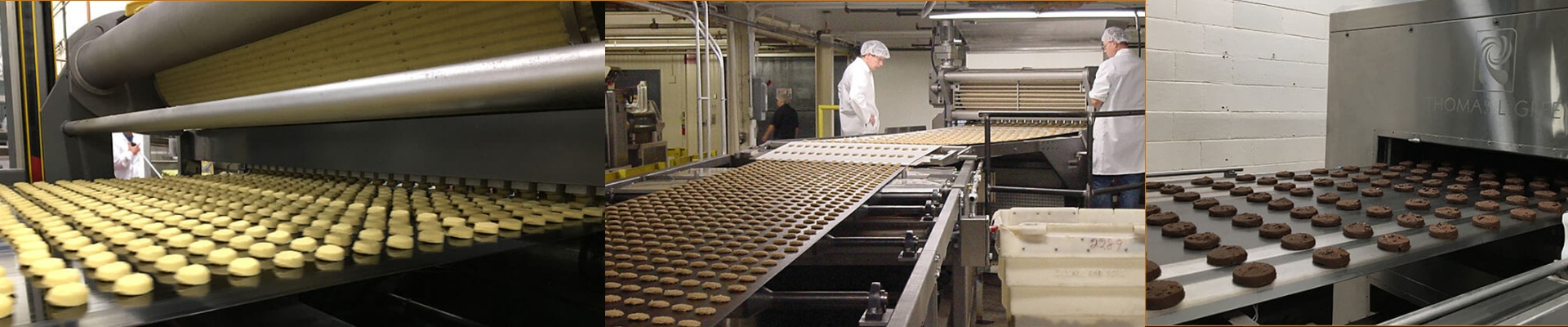
When it comes to wiring, we usually stick with R7s or SK15 connectors. They provide a tight fit that won’t corrode the second things get humid. But there is a catch. Shortwave lamps are fast—really fast—but they create intense, localized heat. If your airflow is off, you’ll end up with hot spots on your food. It’s frustrating. To fix this, you’ve got to tweak your PID controllers. You need to account for that gap between the lamp’s instant blast of heat and the time it takes for the rest of the oven to actually warm up.