



Why Your Bathroom Heater Shouldn’t Feel Like a Surgical Suite
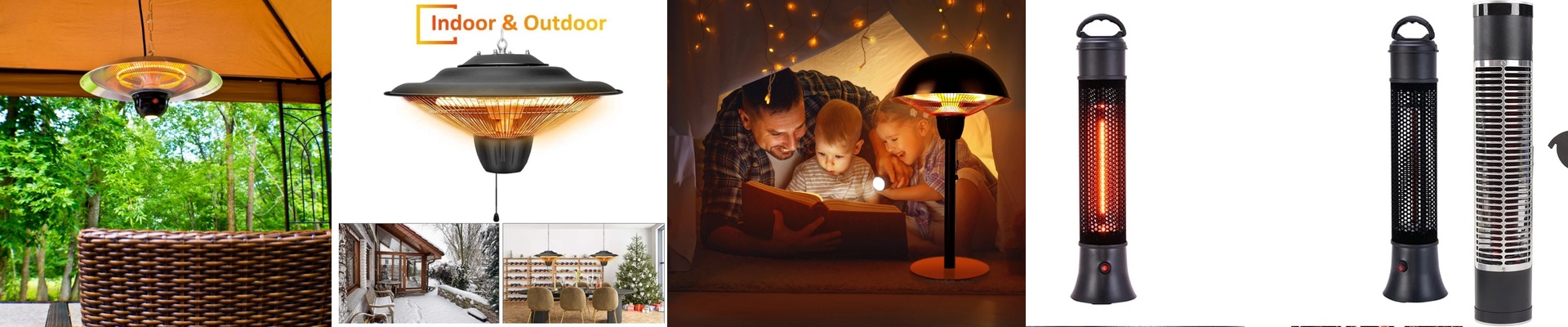
If you’ve ever used a ceiling-mounted infrared heater, you know the feeling. You flip the switch, and suddenly you’re blasted with heat—which is great—but you’re also blinded by a harsh, aggressive white light. It’s a bit much. Especially if you’re bathing a baby or just trying to wake up slowly in the morning. Nobody wants to feel like they’re under an operating lamp while they’re scrubbing their toes.
Fixing the glare
The problem is that standard quartz lamps are just too bright. They throw out a lot of light that strains your eyes. To fix this, we stopped using plain, clear quartz. Instead, we use specialized coatings and “doped” glass. Think of it like a pair of high-tech sunglasses for your heater. These filters block out the annoying blue and green light but let the actual heat—the infrared part—slide right through. You still get that cozy, skin-warming glow, but the light is soft. It’s easy on the eyes, which is exactly where it should be.
Power without the blinding light
Normally, if you want more heat, you need more wattage. But more wattage usually means a brighter, more blinding light. It’s a frustrating trade-off. By using these spectrum filters, we’ve basically separated the heat from the light. Now, we can crank up the power to keep a drafty bathroom warm without turning the room into a light show. You get the warmth you actually want, minus the headache.
The honest trade-off
Now, nothing is perfect. Using these filters does mean a tiny bit of the heat gets blocked along with the light. Because of that, a filtered lamp might not be quite as efficient as a clear one. To make up for it, we might bump up the wattage a bit or suggest mounting the heater a little lower. If you go too low on the power when switching to eye-protection lamps, you’ll notice it takes a few extra minutes for the room to actually feel warm. It’s a small price to pay for not being blinded every time you take a shower, but it’s something to keep in mind.