Stop Guessing with Your Sidel Matrix Oven Temps
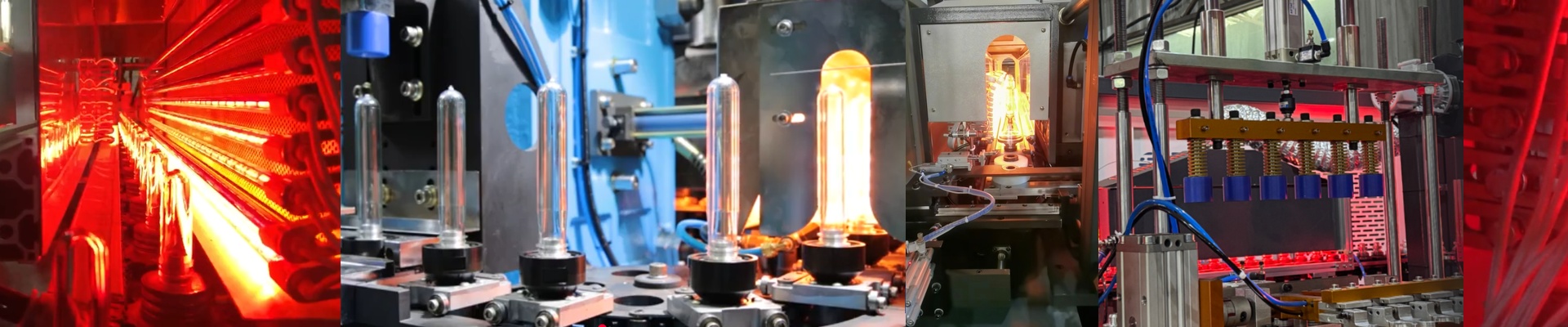
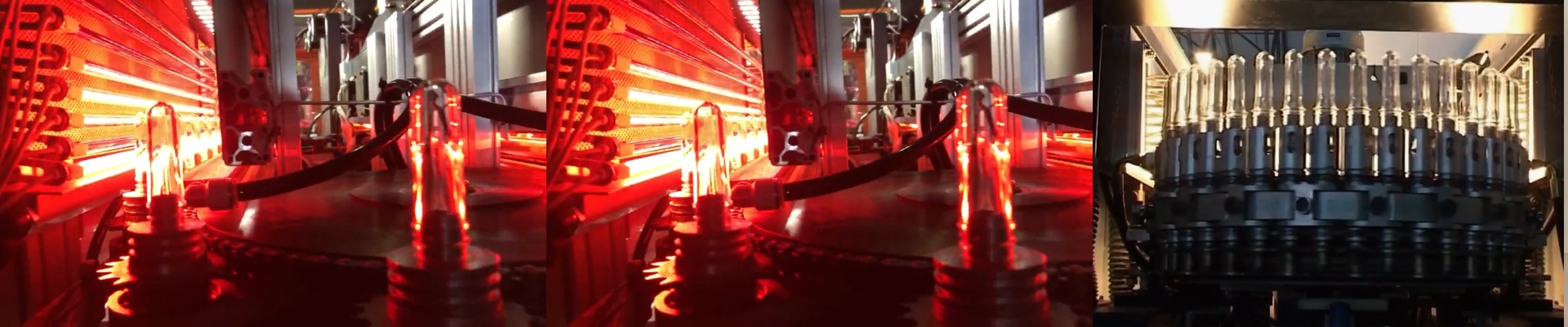
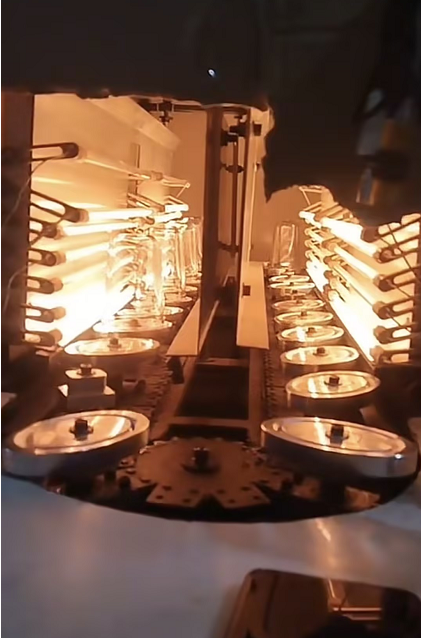
Here’s the thing about PET blowing: it’s all about physics. There’s no room for “close enough.” When you swap out lamps in a Sidel Matrix oven, even a tiny tweak in wattage or voltage can throw your whole heating profile off. It’s frustrating. You spend hours tweaking the machine just to get back to where you were. That’s why we build our lamps to match the originals exactly. We’re talking a 1:1 match. Your preforms hit that sweet spot—the glass transition temperature—without you having to rewrite your entire heating recipe. Getting the numbers right We don’t do “generic.” We look at the exact electrical footprint Sidel uses. If the original calls for a specific voltage and wattage over a certain length, that’s exactly what we deliver. Why? Because “almost right” leads to headaches. Too little power and you get cold spots. Too much, and you’re scorching the plastic. We focus on the heat density per millimeter so the heat is steady and predictable. The gear inside We use high-purity quartz glass because it can take a beating. These lamps cycle hot and cold fast, and the glass needs to handle that shock without cracking. We also tuned the internal halogen cycle to stop the tungsten from evaporating. In plain English: the tubes won’t darken over time. Plus, we focused on short-wave infrared. Instead of just heating the surface of the plastic, the heat actually sinks into the PET wall. It’s faster and more efficient. And since we use the same connector footprints, they just slide right in. No modifying the housing, no weird workarounds. Just plug and play. One quick heads-up High-density lamps pull a lot of power. Since our lamps match the OEM output, they also put out the same amount of waste heat into the oven chassis. Because of that, make sure your cooling blowers are clean. If your airflow is clogged, the ambient temp will start to creep up. No matter how perfect the lamp is, it can’t fight a blocked vent.