
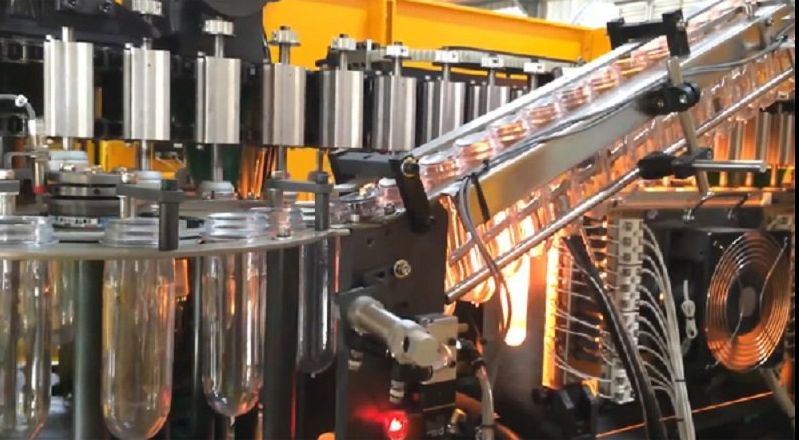
Making PET Blow Molding Lamps That Actually Fit
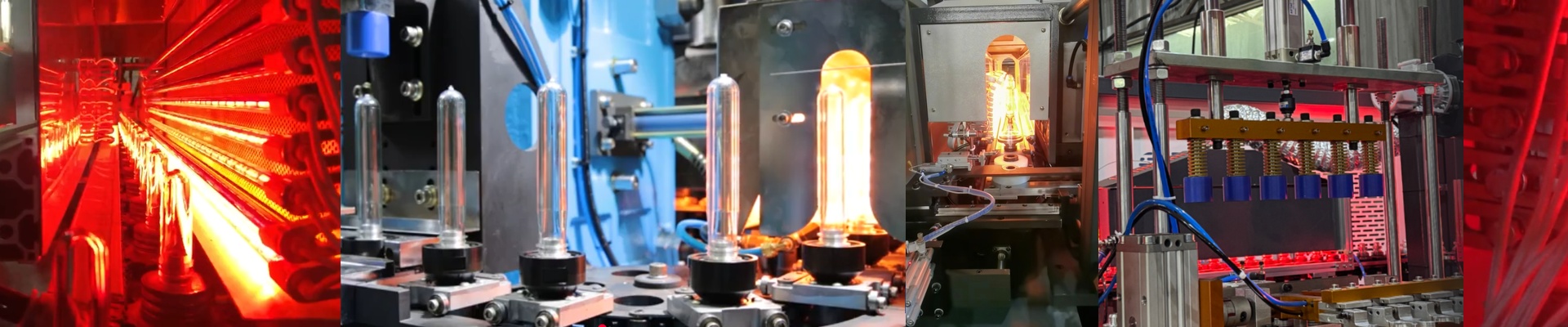
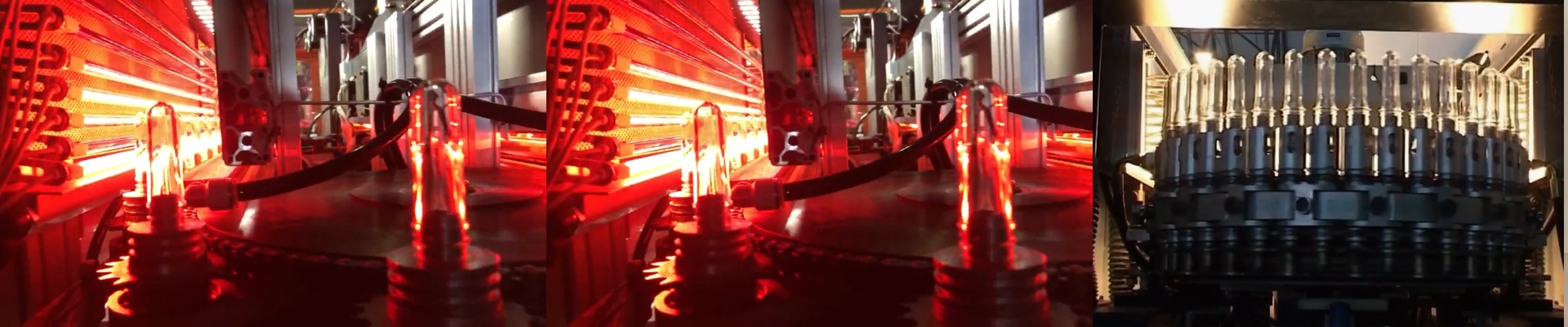
Getting the heat just right in PET blow molding is a pain. If it’s uneven, you end up with melted preforms or annoying cold spots that ruin the batch. We wanted to fix that, so we built infrared lamps that you can just slide into Sidel machines or other big-brand ovens without a headache. We didn’t overcomplicate it. We just focused on the stuff that actually keeps a line running: the power, the size, and the heat.
The Nitty-Gritty on Specs
Most ovens are picky about voltage and wattage to keep the heat density steady. We make tubes from 230V up to 400V. If you go with the 400V high-wattage option, you’ll notice the ramp-up is faster, which means you can push more product through the line. And about the fit? We’re obsessive about it. If a lamp is off by even 2mm, it won’t seat in the bracket. Period. We keep the lengths and diameters tight so you aren’t spending your afternoon modifying brackets with a file.
Glass and Connections
We use heavy-wall quartz glass because these things take a beating from rapid heating and cooling. To stop the lamps from burning out right where they connect, we use standard R7s or Sk15 connectors. They snap in securely, which is huge when your machinery is vibrating all day. Some of our lamps even have special coatings. Instead of just scorching the surface of the plastic, these coatings push the heat deeper into the PET wall.
Real Talk for the Shop Floor
The reason these work in about 95% of the machines out there is simply because we mirrored the OEM specs. You wire them up, flip the switch, and you’re back in business. One quick tip: if you crank the wattage to the max, your oven’s ventilation has to work harder. If your cooling fans are choked with dust, the ambient temp will spike, and your quartz envelope will wear out faster. We keep these in stock because we know how it feels when a tube snaps in the middle of a shift. You don’t want a “solution”—you just want a part that works.