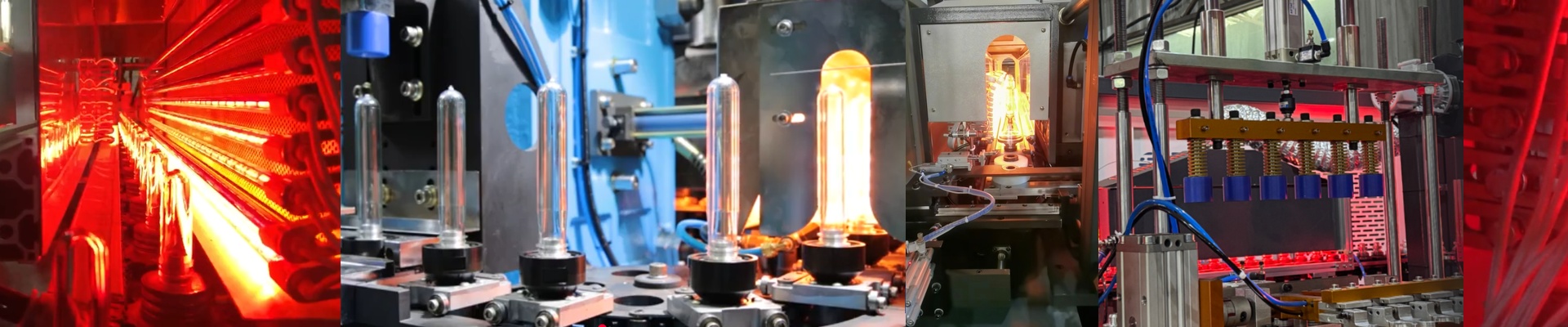

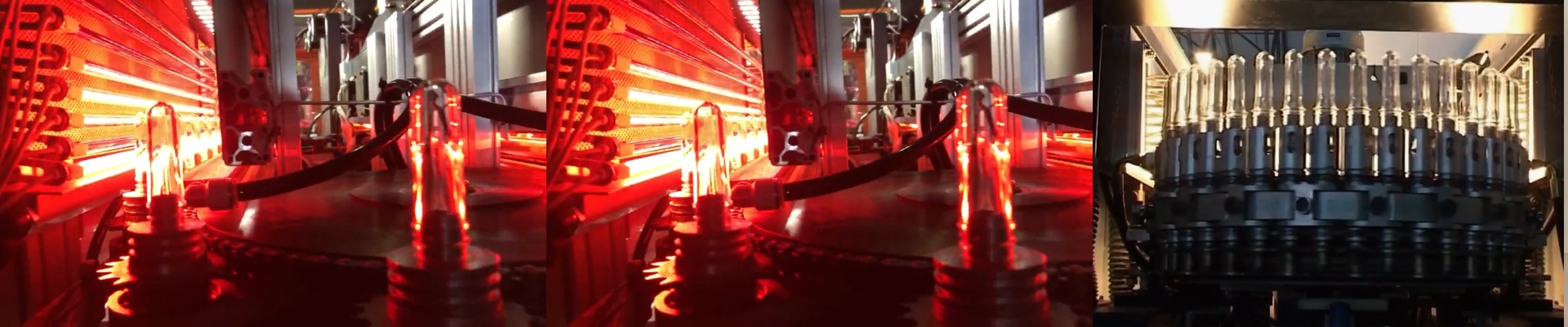
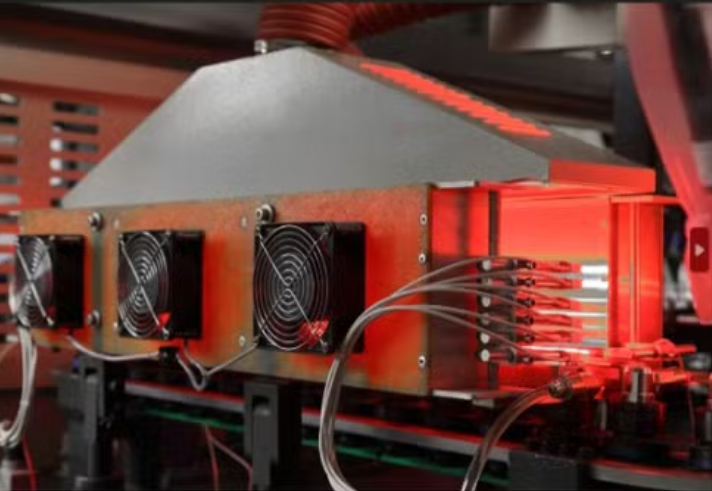
Every blow molding line wrestles with the same headaches: heat that wanders, lamps that burn out too fast, and preforms that come out uneven. You watch OEE slide while you hunt down hot spots and schedule maintenance around lamp failures. The losses add up—scrap bottles, wasted energy, and overtime. What matters, technically We build the clear quartz heating lamp for the heating tunnel in the plant, not on a bench. The quartz tube delivers short-wave infrared with fast response, so preforms hit temperature quickly and stay there. The specs are matched to blow molding reality: high-purity quartz for thermal shock resistance, stable filament geometry for uniform radiant output, and standard termination options (R7s and equivalents) so the lamp drops straight into existing sockets without rewiring. You get predictable heat density, tight temperature control, and a repeatable heating profile run after run. Why it holds up on the machine On a stretch blow molder, the heating window is tight. These clear quartz lamps heat on demand, so the tunnel holds the set profile even when line speed changes. The payoff is fewer rejects from over-stretched or under-heated preforms, and fewer jams caused by temperature drift. In practice, startups are shorter, lamp-related stops drop, and scrap steadily falls. Energy use comes down because the emitter puts heat where it’s needed, not flooding the tunnel with excess wattage. Here’s what to watch for These lamps are tough, but they won’t forgive mismatched reflectors or unstable voltage. Install with the correct focal distance and check socket condition—corrosion and poor contact are the usual killers. If your line runs long hours at peak temperature, keep a rotating spare stock on hand so a single lamp change doesn’t turn into a long outage.