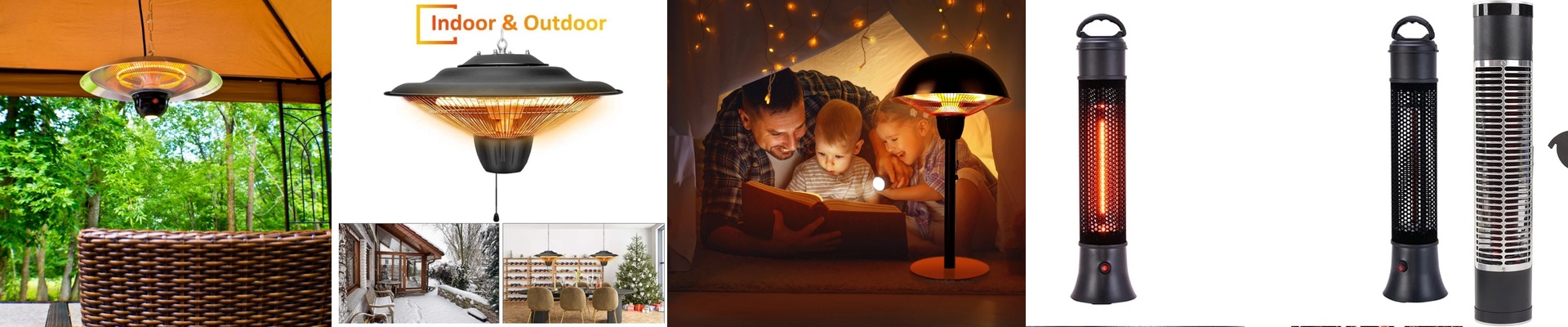
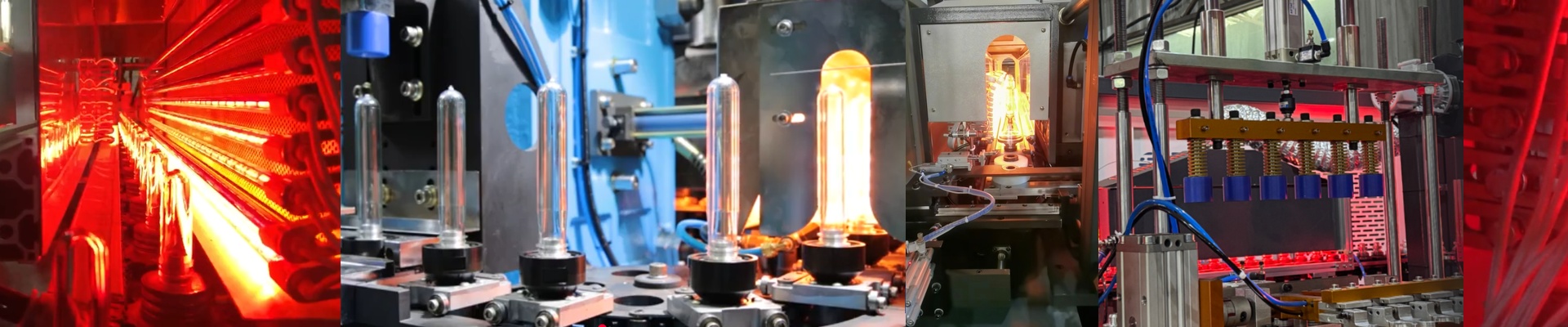
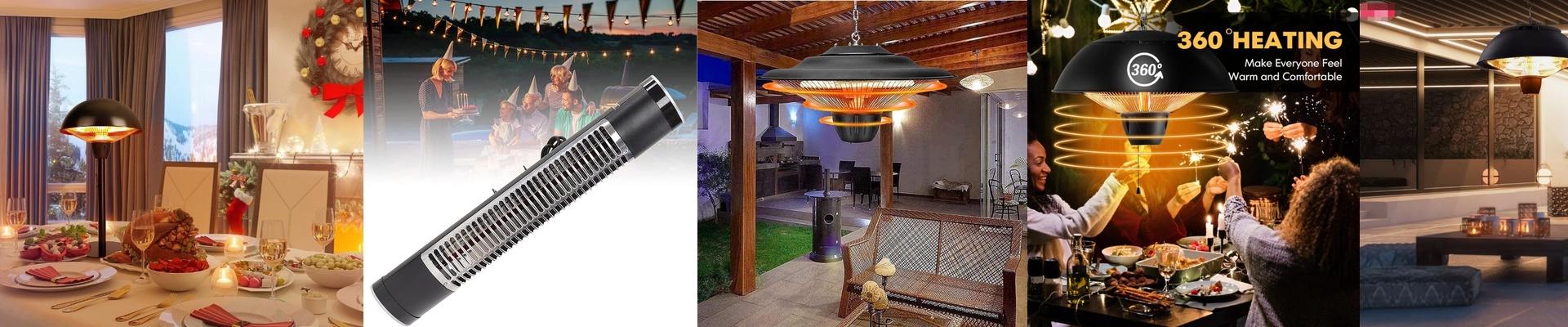
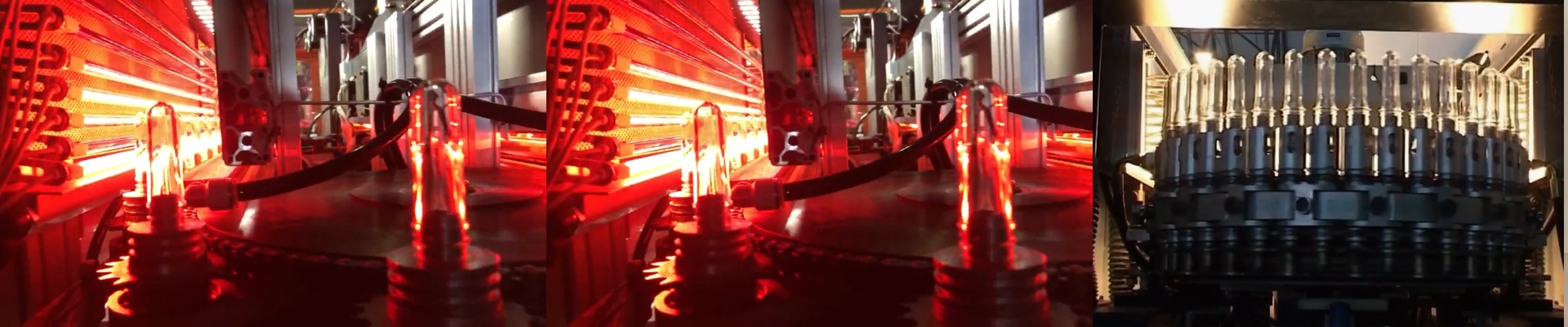
When service hits the wall, plates come off the pass cold at the worst time. One sloppy warm-up can turn a crisp salad soggy or drop an entrée into lukewarm territory. A dedicated tableware dryer heat lamp at the pass keeps the line moving without tying up your main oven. What matters, technically We built this around controlled infrared output—surface heating, not bulk drying. The quartz envelope comes up fast and holds steady radiant output, while the reflector geometry gives you a predictable thermal footprint across the plate. You get a 60–120°C adjustable target with ±3°C steady-state stability, and a 150 mm spot height that covers a standard dinner plate evenly. Specs matter because uneven hot spots scorch edges and leave cold centers. The reflector keeps heat distribution within ±5% across the plate, so every plate leaves at the same temperature. Why it works in a real kitchen This lamp lives at the pass, right by the dish station, so you can reheat and dry tableware on demand—no need to cycle a deck oven or convection unit. The fast response cuts wait time, and the focused heat preserves texture: bread stays crusty, proteins stay moist, garnishes don’t wilt. Energy use stays lean because it heats only what you need, when you need it. And the long service life means fewer interruptions and fewer replacements. Here are the practical details Set the lamp at the right height and angle so the thermal footprint stays true, and keep the reflector and element clean to avoid drift. Because infrared hits surfaces quickly, use a timer or a temperature probe—especially on delicate items—so you don’t overshoot. The unit is designed for commercial kitchen voltages and needs a dedicated circuit. Run the wiring and overcurrent protection by your electrician.