The Secret to That Perfect Crust: Why Infrared Matters
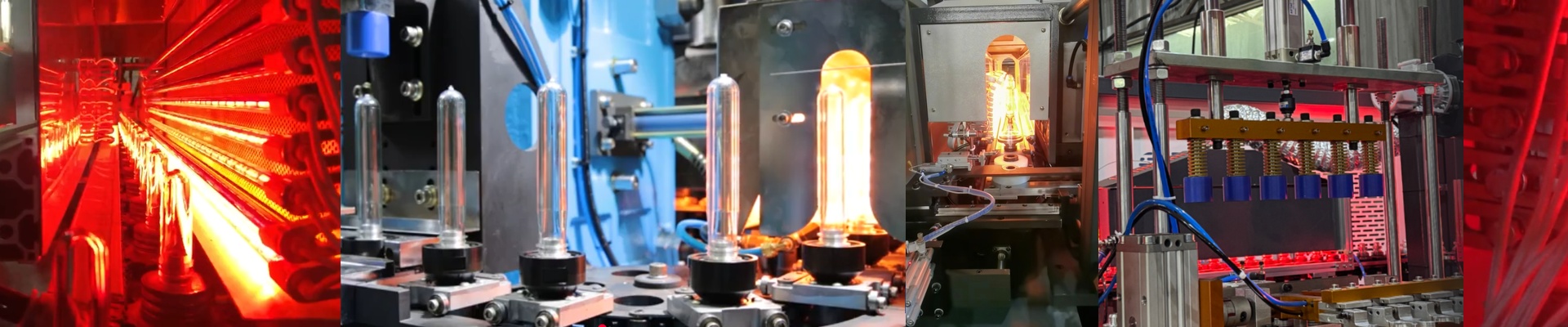
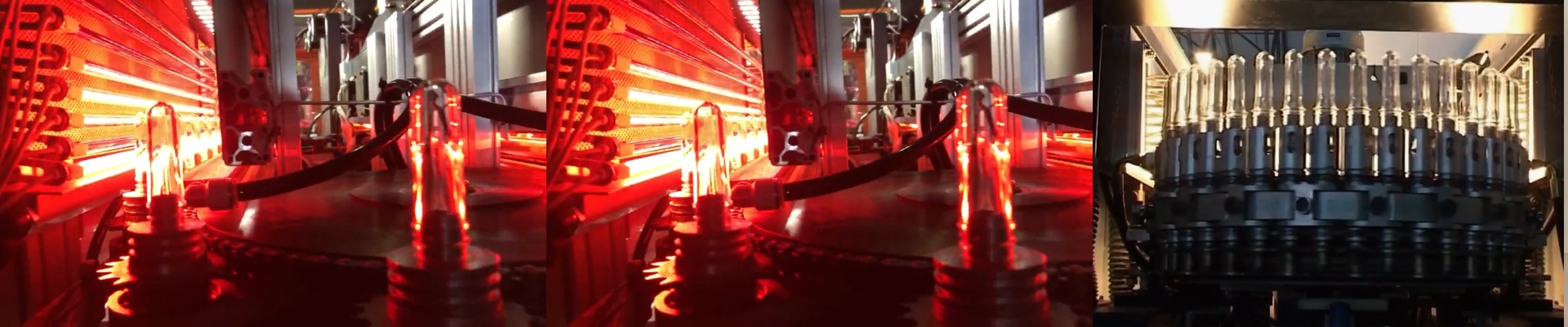
Most ovens just heat the air. It works, sure, but it’s slow. The best bakers do things differently. They use infrared (IR) ceramic heat lamps to skip the middleman and hit the dough directly. Think of it like the sun on your skin. You don’t feel the air get hot first; you feel the heat instantly. That’s the “thermal shock” your bread needs.
Getting the Crust Right
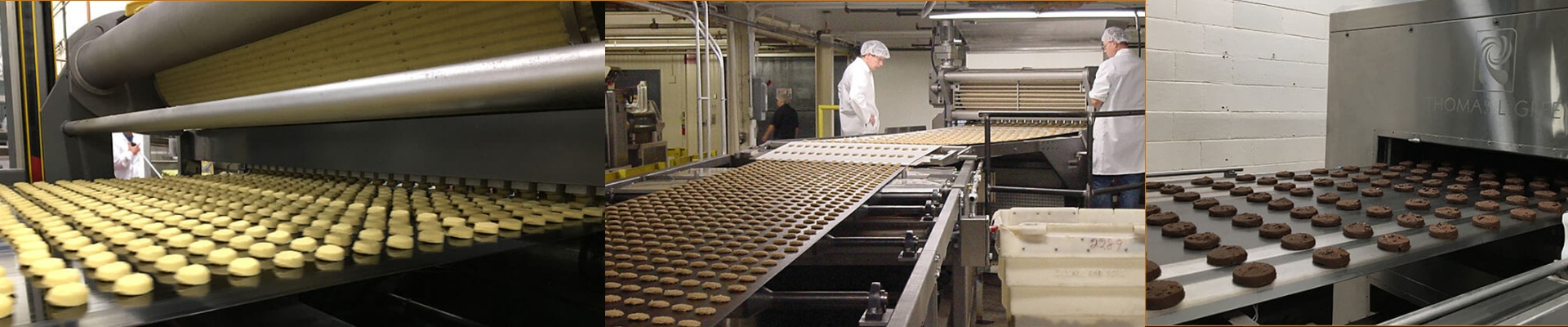
Here is the magic: IR lamps send out short-wave radiation that sinks right into the surface of the bread. The result? Your bread jumps up faster—that’s the “oven spring”—and you get a thick, crackly crust that stays crisp. But because the heat is so targeted, the inside of the loaf stays moist and fluffy instead of drying out. While the regular convection air handles the inside, the IR lamps do the heavy lifting on the outside, creating those beautiful brown colors and rich flavors.
The Nitty-Gritty Stuff
We usually go with high-purity quartz or ceramic-coated tubes. Quartz is great because it lets those IR waves pass through without any fuss. We use the ceramic coatings when we need to protect the lamps from all the flour dust and grease that naturally fly around a busy kitchen. But you have to be careful with the wattage. If you put a high-powered lamp in a small oven, you’re going to torch the top of your bread before the middle is even cooked. It’s all a balancing act between how powerful the lamp is and how far away it sits from your tray.
Keeping Things Running
We design these as drop-in replacements using standard R7s or Sk15 connectors. Why? Because these lamps eventually burn out, and you don’t want to be calling a technician just to swap a bulb in the middle of a Saturday rush. Just one heads-up: IR lamps getintense. If your oven’s vents aren’t set up to pull that heat away from the control board, you’ll fry your electronics. Also, make sure your wiring can handle the surge of power when the lamps first kick in. It’s a lot of energy all at once.