
Stop Letting Your Heaters Slow Down Your Bread Line
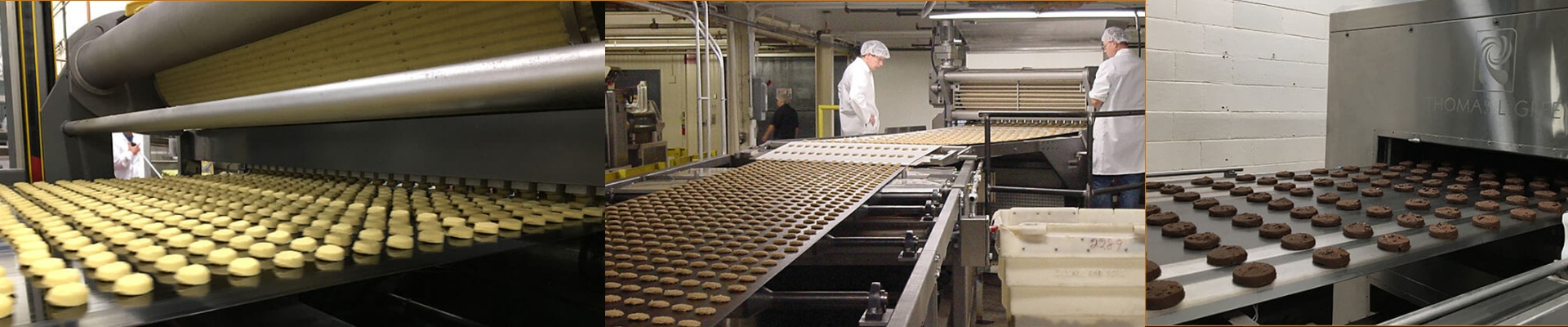
Ever feel like your production line is hitting a wall? You want to push more loaves through the oven, but your heating elements just can’t keep up. Most off-the-shelf heaters are “close enough,” but in a high-volume bakery, “close enough” usually means a bottleneck. That’s where clear quartz radiant heaters come in.
The magic of clear quartz
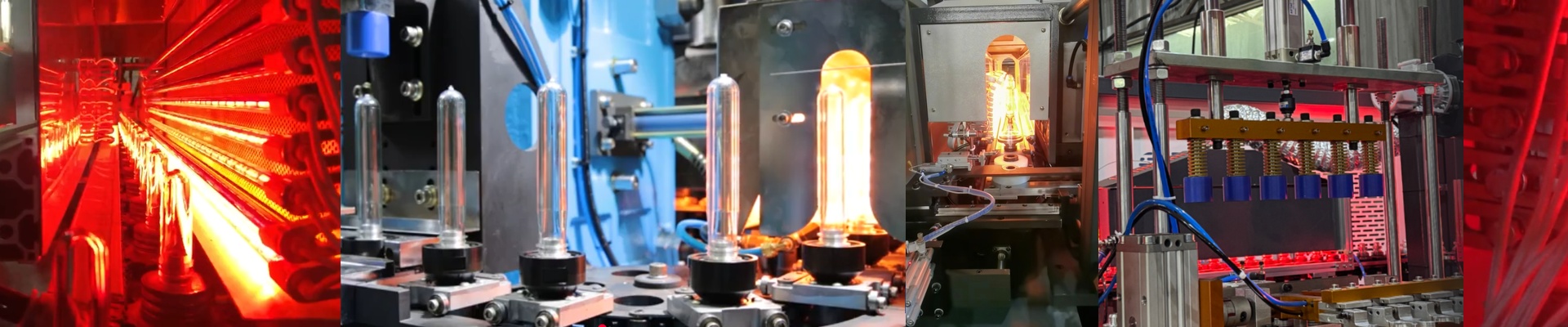
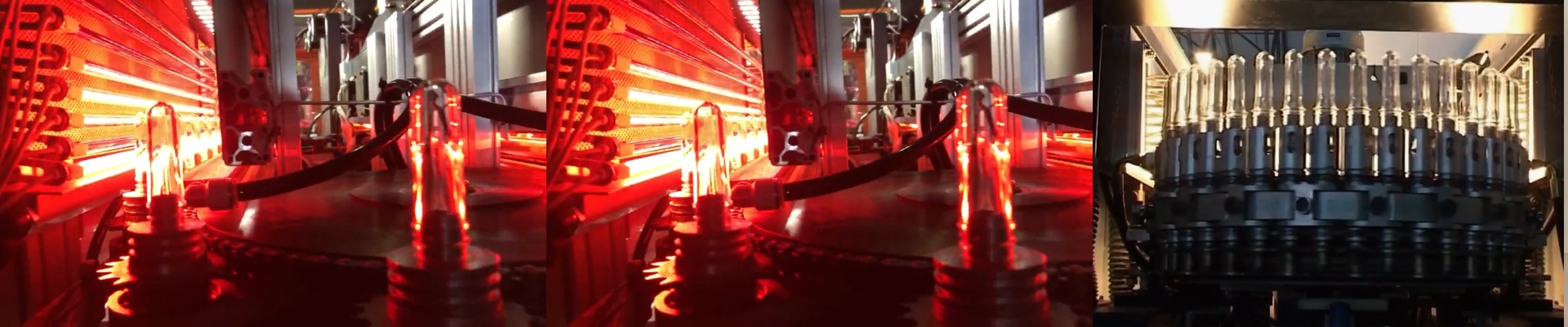
Here is the thing: most ovens rely on moving air to get the job done. That takes time. Clear quartz is different. It lets short-wave infrared radiation fly straight through the tube and hit the dough almost instantly. It’s direct. It’s fast. Instead of waiting for the air to warm up, the heat jumps straight to the surface. You get that perfect crust set way faster, which means your bread spends less time idling in the oven and more time moving toward the cooling rack.
Why “standard” usually isn’t enough
We’ve all seen it—those annoying cold spots at the edges of the conveyor where the bread just doesn’t bake right. That happens because standard heater lengths rarely match the actual footprint of your oven. We fix that by building modules to your exact specs. If you’re squeezed for space but need a massive amount of heat, we just bump up the wattage per centimeter. But a word of caution: you can’t just crank the power and walk away. High-wattage modules put a lot of stress on your wiring and housing. If we’re speeding up your line, we need to make sure your control system can handle the rapid switching. You don’t want to fry your contactors just because you wanted a faster belt.
Making life easier on the floor
Maintenance shouldn’t be a nightmare. We design these modules for quick swaps. We use standard connectors so that when a lamp finally gives out, you can pull it, pop in a new one, and get back to work without having to rebuild the entire assembly. And it’s not just about the size of the tube. It’s about where the heat actually goes. We can tweak the filament winding so you don’t end up with bread that’s charred in the middle and raw on the edges. When the heat is distributed exactly where it needs to be, you can finally push that belt speed higher and know every single loaf is coming out consistent.