The line is stacking up, and the deck oven is lagging. Preheat waits kill service, and hot spots across the stone hearth leave crusts uneven—under-browned on one side, over-dried on the other. In a busy bake, that delay and unevenness cost you dough, time, and regulars. We built our deck oven thermal elements to knock that friction out of the equation.
What matters under the hood
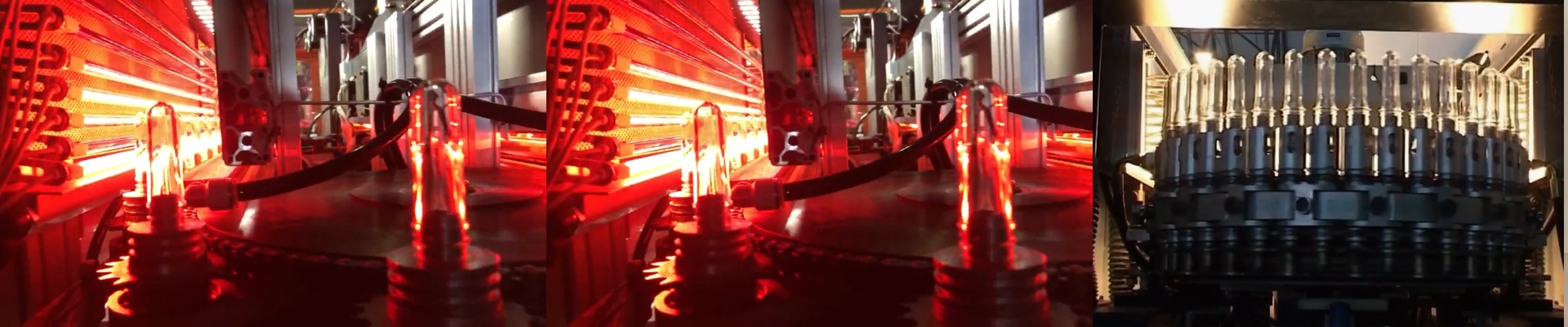
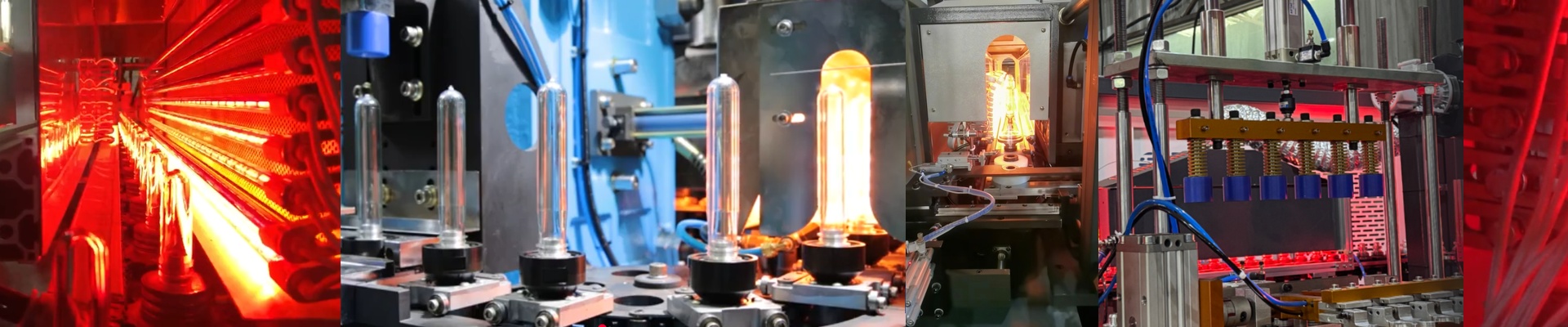
We design the heating elements to deliver direct, responsive heat right into the baking chamber. The quartz-sheathed elements come up to set temperature fast, then hold steady under the thermostat. In real life, that means faster recovery after the door opens, tighter temperature stability across the stone, and repeatable heat from bake to bake. Specs are matched to commercial deck ovens: solid terminal connections, consistent element resistance, and a form factor that drops into standard cavities without creating hot spots or cold zones.
Why this works on a busy floor
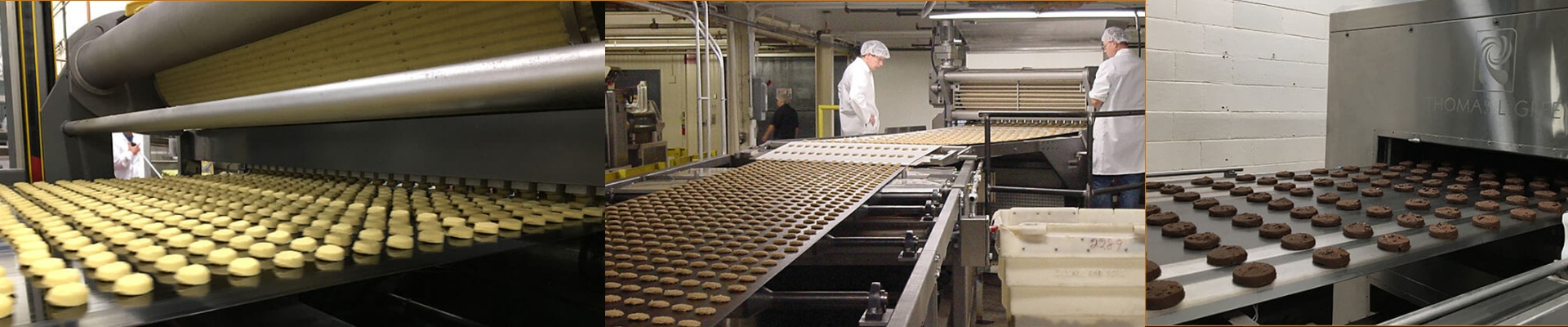
In a bakery or pizzeria, the oven isn’t background equipment—it’s the station. With these elements, you cut preheat time, run more consistent bake cycles, and get even browning across every tray. That means fewer under- or over-baked items, output that holds steady during rush, and less energy per bake because the oven spends less time chasing temperature. The payoff is a calmer line and a more consistent product.
The details that make the difference
Install is straightforward, but the oven’s thermostat and stone thickness matter. Match the element to the voltage and terminal type, and make sure the thermostat can keep up with the faster response—otherwise you won’t get the full benefit. Keep the stone clean and dry; residue and moisture change how heat transfers. Plan for proper clearance and mount it securely—loose contact leads to uneven heat and a shorter service life.