
Introduction
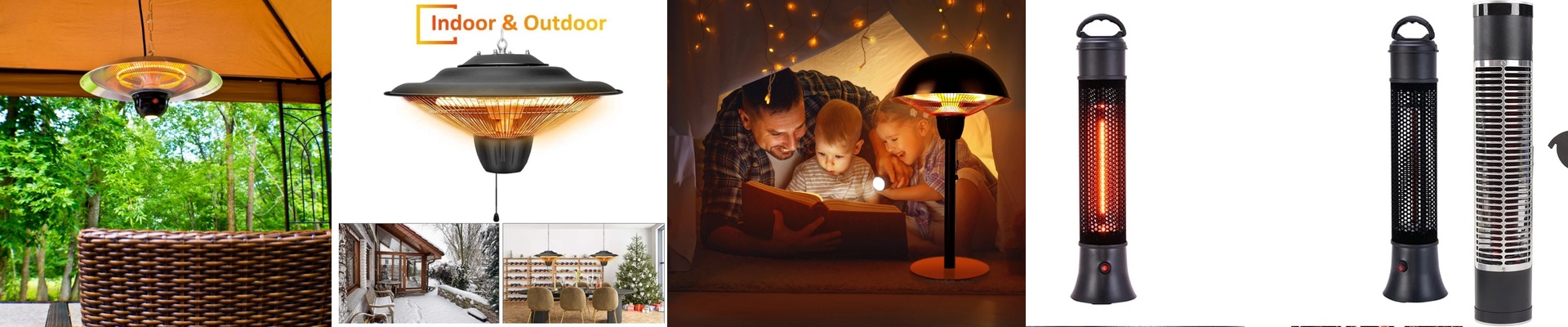
We built our wall-mount infrared heaters for one place: the bathroom. They’re all about giving you warmth right where you need it, when you need it—no fuss, no waiting. The magic is a high-output halogen lamp inside, designed to fire up fast and stay steady even in a steamy, humid room. If you’re sizing one up, the main call is matching the lamp’s power to the size of your bathroom so you get the right balance of heat and efficiency.
Power and Physical Specs: The Real-World Numbers
Infrared heat is all about packing punch into a small footprint. You size the heater by the room’s square footage, not just its volume. For a small bathroom, say 3–4 square meters, a 1000W to 1500W unit usually does the trick. Step up to a larger 6–8 square meter space, and you’ll want 2000W to 2500W to get that comfortable warmth on the walls and floor. The tube length matters, too. We use a standard 300mm length, which keeps the whole unit slim and low-profile on the wall. That shape sends the heat downward and outward, right where you stand.
Material and Design: Why Halogen and the R7s Base Work
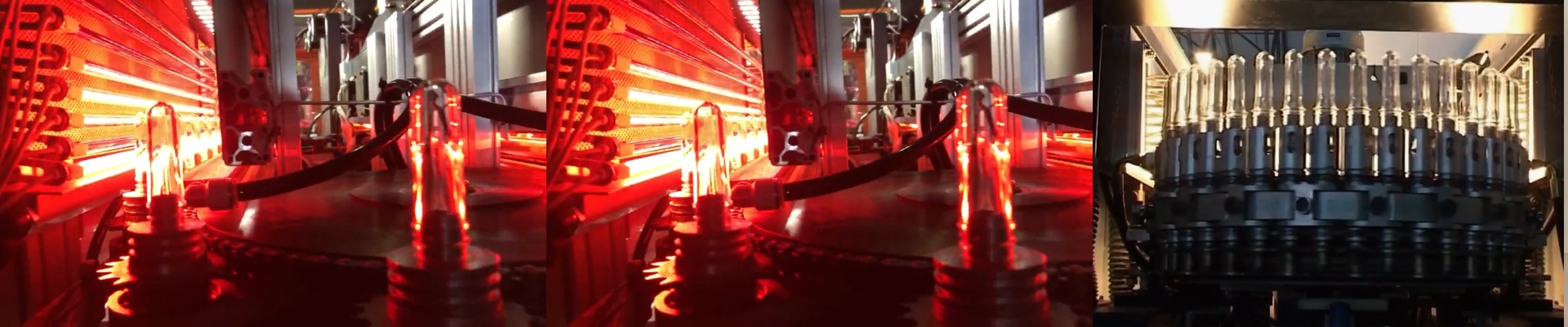
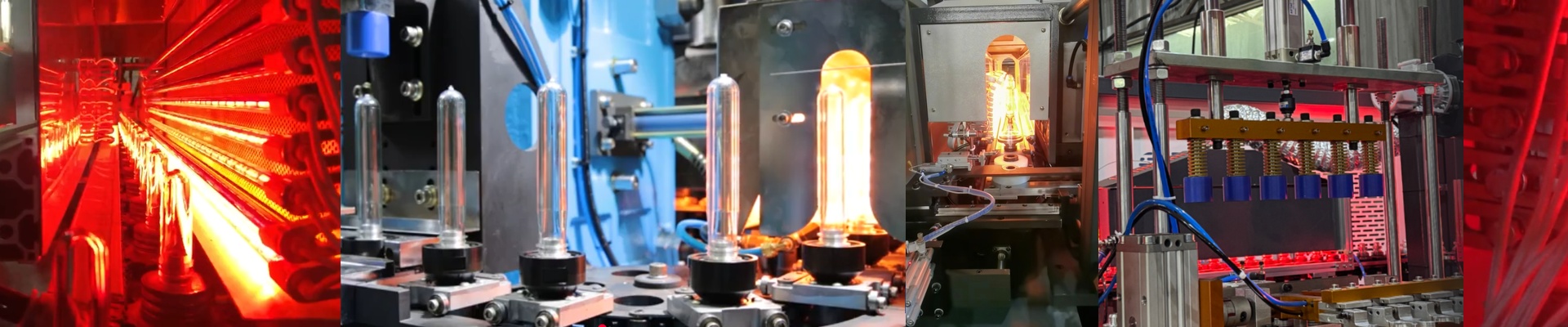
We chose a halogen-filled quartz envelope because it lets the filament run hotter and brighter than a regular incandescent bulb. That means more usable infrared energy—plain and simple. And the halogen cycle does a quiet, steady job keeping the tube clean from filament buildup, so the output stays consistent over time. As for the R7s base—it’s not a random pick. This double-ended, linear connector locks in a solid, high-current connection. It handles the heat expansion of the quartz tube without wiggling loose, and it makes wiring straightforward. Wire it, snap the tube in, and you’re set. It’s a tough, practical interface.
What It Feels Like in a Bathroom
The big win here is speed. An infrared heater warms a cold bathroom in minutes, not the long slog you get with a convection heater. That means it only draws power when you need it, so you don’t pay for idle heat like you do with storage heaters. There is one thing to keep in mind: the power draw is serious. You need a properly rated electrical circuit and the right wiring. If the power demand is underestimated, you can overload the circuit. But when you spec it correctly, the heat stays focused where you are—no wasted warmth drifting up to the ceiling. Just quick, targeted comfort.