
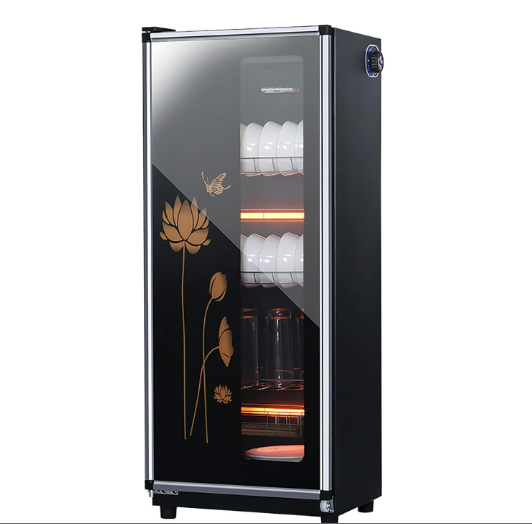
In a busy kitchen, a disinfection cabinet that’s slow or uneven isn’t just a headache—it backs up the pass, opens the door to cross-contamination, and forces the team to pick between speed and safety. When the cabinet can’t hit and hold sanitizing temps across every rack, you get inconsistent cycles, wasted energy, and more downtime.
What matters under the hood
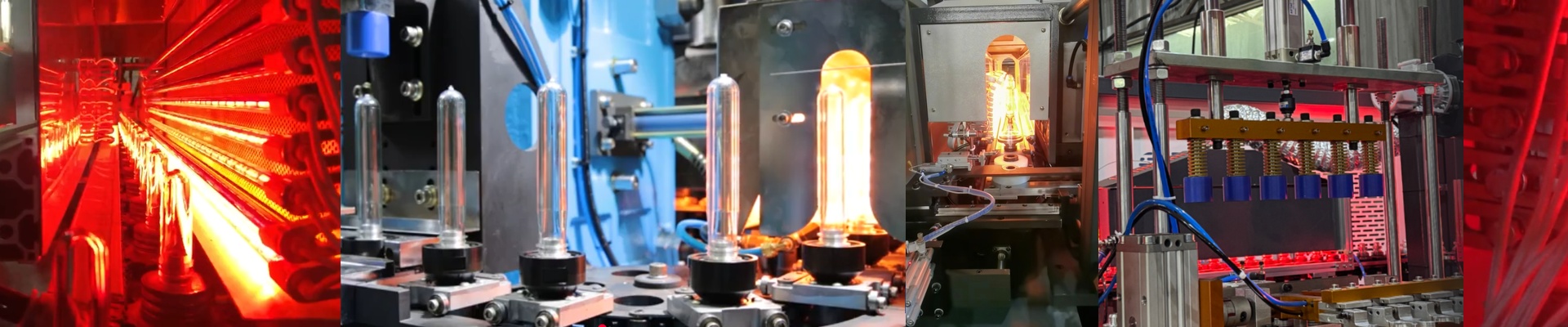
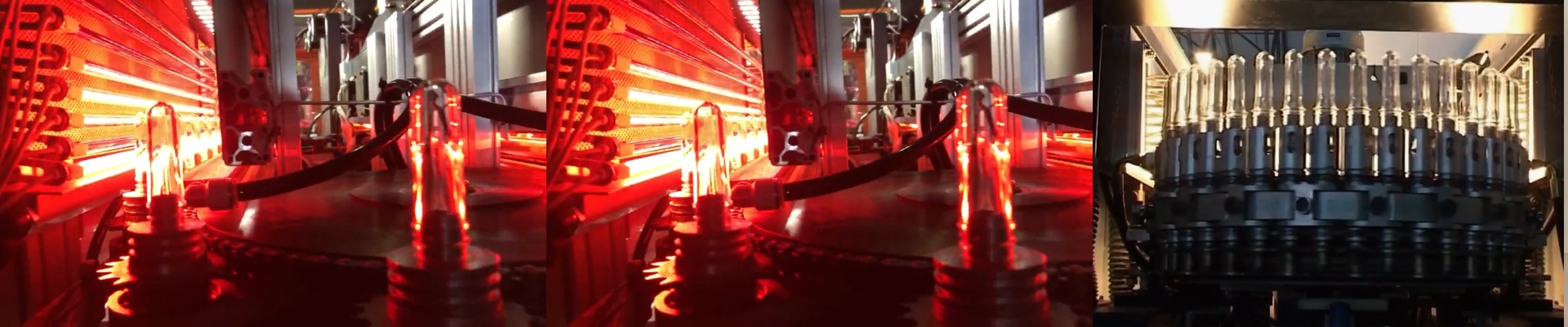
We built this curing infrared heater around direct radiant transfer. Heat goes straight to the target, not into the air that then has to find the load. That means near-instant response: the element comes up to operating temperature fast, and the cabinet recovers quickly after the door opens and closes. Tight thermal management keeps output predictable, so you can set the sanitizing band and hold it without chasing swings. And we match element geometry and spacing to the cabinet footprint to lay down uniform radiation—fewer shadows and cold spots where pathogens can hide.
Why it holds up in a real kitchen
With a disinfection cabinet, the only thing that matters is repeatable sanitation, cycle after cycle. Infrared delivers that by bringing every rack up to temp fast, then holding steady. You get shorter dwell times without cutting corners, lower energy per cycle, and less wear on the cabinet from repeated long heat-ups. It also keeps its head when the air is thick with steam. Humid conditions and temperature swings can trip up conventional heating methods—this one stays consistent.
The practical details
Infrared is line-of-sight, so how you load the racks matters. Keep surfaces exposed to the radiant field. Installation comes down to matching voltage, clearances, and mounting points. We supply the element and hardware, but verify the cabinet’s internal layout before you lock anything in. Expect faster heat-up and recovery, but plan airflow and reflector alignment so the temperature profile stays even across every shelf.