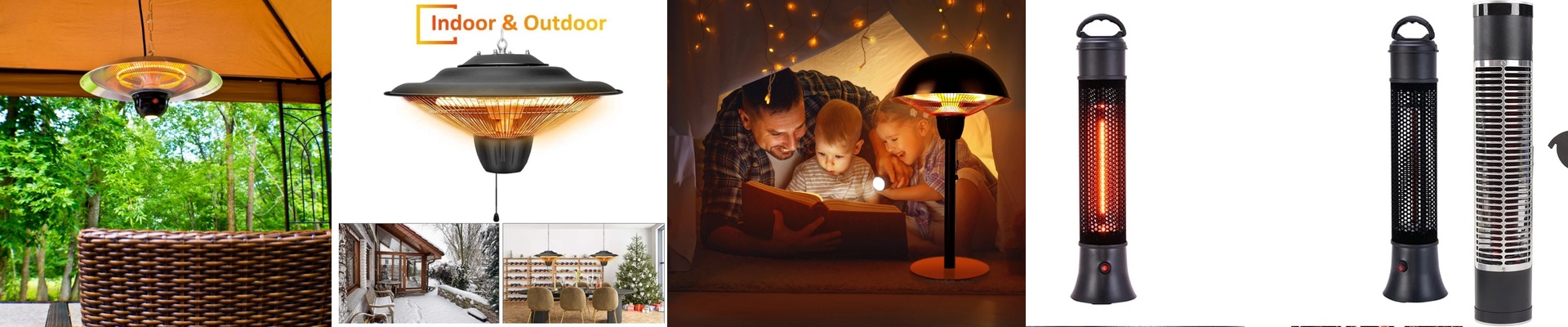




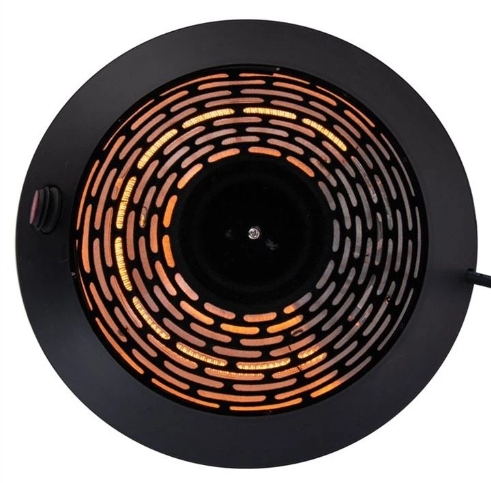
A bathroom that never feels truly warm makes you rush through your routine. You step out of the shower and the chill hangs around. Towels barely dry. The fix isn’t just “more heat.” It’s the right heat, delivered where you actually feel it. Infrared heating lamps throw radiant warmth straight onto surfaces and people, not the air. That’s why matching wattage to the square footage matters. What matters, technically Infrared bathroom heaters are usually built around quartz tubes or carbon fiber elements that emit short-wave or medium-wave infrared warmth. For compact bathrooms around 20–30 square feet, a 1500W unit is often enough to get you comfortable without overshooting. Medium bathrooms, roughly 30–50 square feet, are better off with 2000W. Larger spaces or rooms with high ceilings may need 2500W to cover evenly. Look for models with a built-in thermostat and an IP rating for moisture protection. Many are designed for hardwired installation on a dedicated circuit, and some give you flexible mounting for ceilings or walls. Here’s why this approach fits bathrooms. Radiant heat warms you directly, so comfort shows up within seconds of turning the heater on. Since it targets people and surfaces instead of heating the air, energy use stays closer to actual demand—especially when you pair it with a thermostat. In a bathroom, that means fewer cold-floor mornings, faster drying, and steady comfort during quick routines. You also avoid heating the whole house just to make one room livable. A few practical notes. Infrared lamps get bright, so aim the beam away from eyes, and consider a diffuser if the fixture sits in the line of sight. They perform best when aimed at seating and shower zones, not across mirrors. Most units are meant to be hardwired, so plan on a qualified electrician if you don’t have an existing junction box nearby. Get the placement right and match the wattage, and you end up with dependable warmth that fits the room—no compromises.