
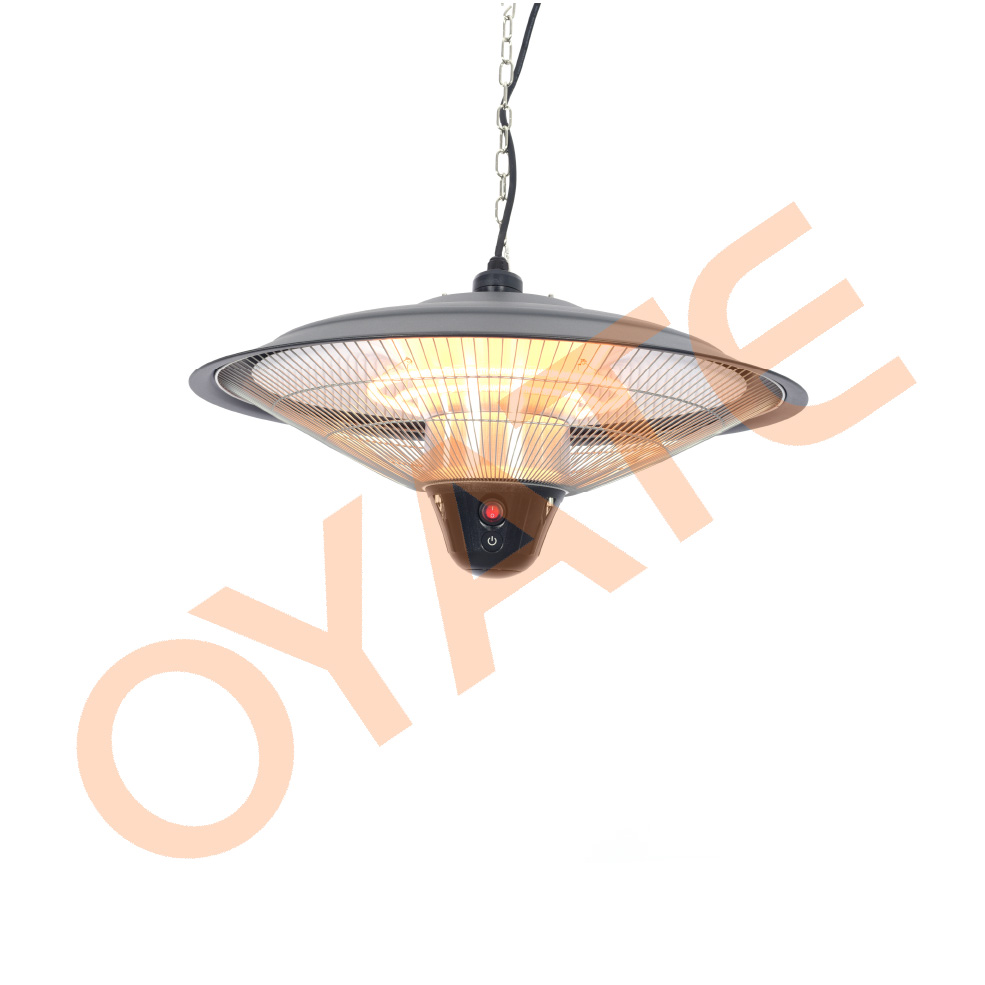
In a display window, the details are everything. In a lab, even a whisper of dust can tank a run. Forced-air heaters stir up particles, kick up drafts, and leave hot and cold patches. That means foggy glass, uneven test conditions, and downtime you can’t afford.
What’s under the hood
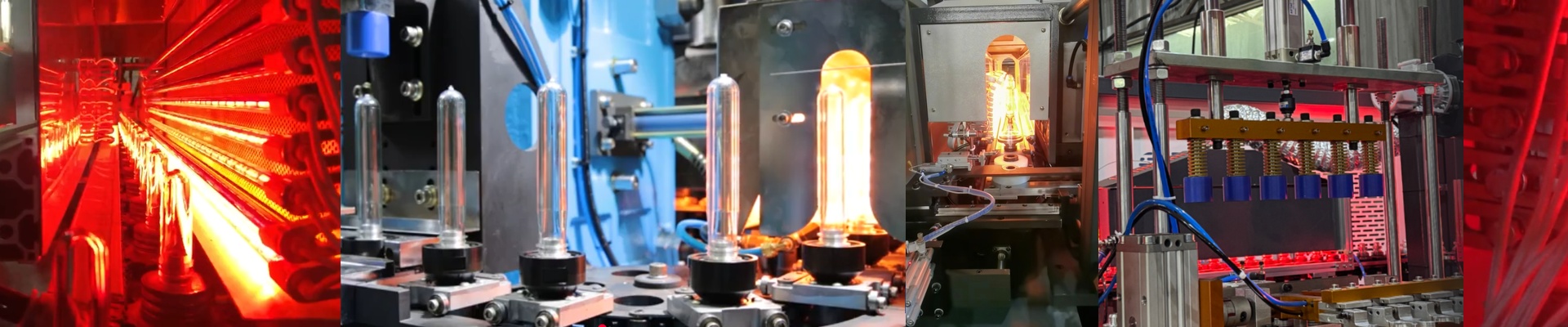
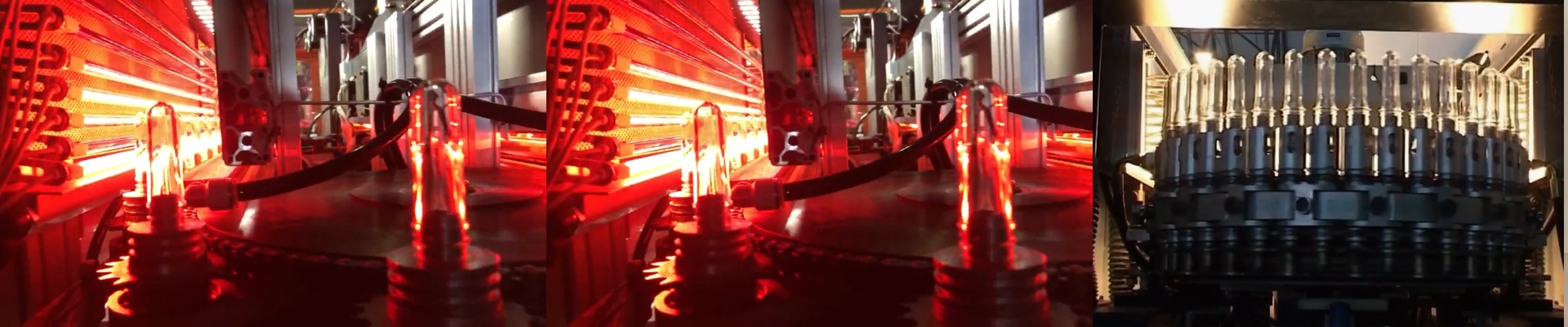
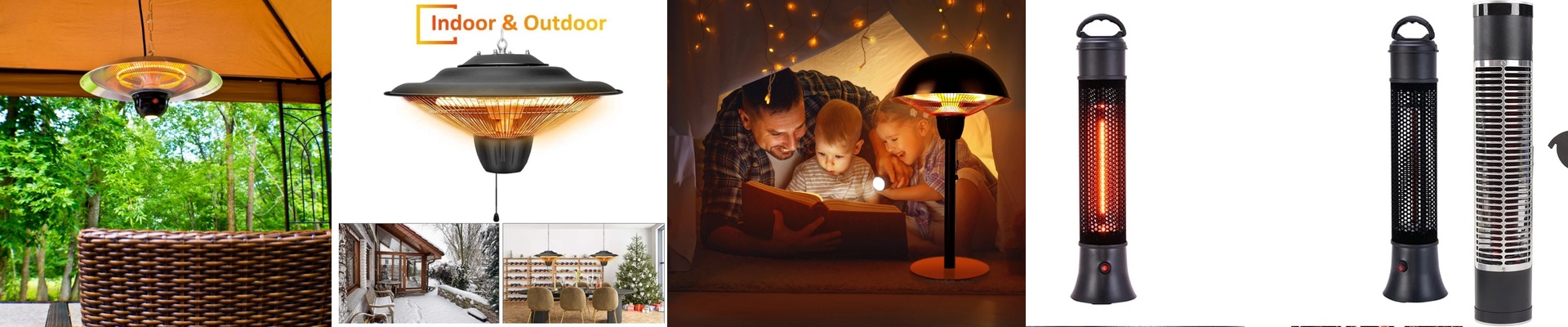
We built this low-wattage infrared heater around a radiant core that works like the sun—delivering heat without moving air. Quartz elements put out short-wave infrared warmth, heating people, objects, and surfaces directly. The payoff is immediate, even heat, and there are no moving parts to worry about. Wattage stays low, so it runs on a standard outlet, and the footprint is small enough to squeeze into tight spots. An adjustable thermostat holds output steady, and the housing is tough with a solid seal to keep the guts clean.
Why it fits these rooms
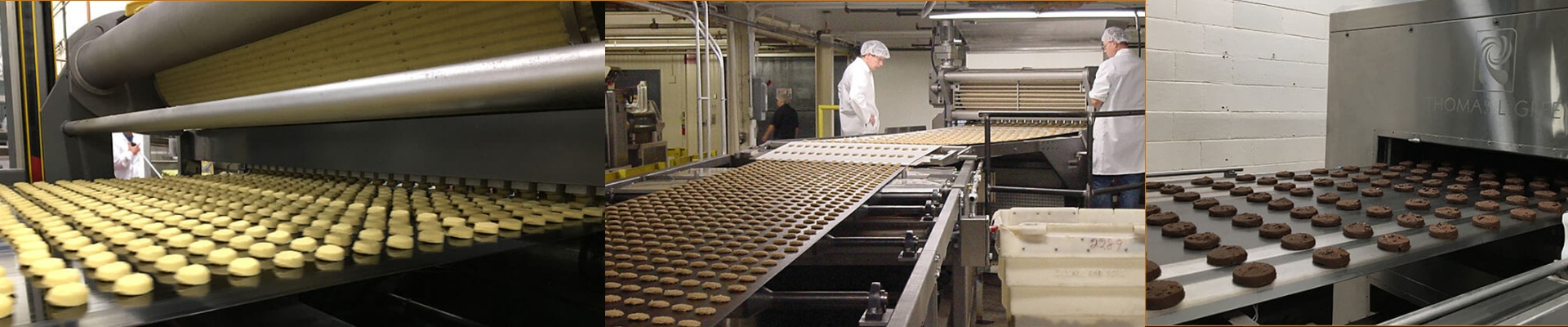
In display windows, you get clear glass, stable temps, and merchandise that looks the way it should. In the lab, there’s no dust, no drafts, and no risk of airborne contamination. The heat stays localized, so sensitive equipment and samples stay protected. Energy use stays sensible, because you only heat what you need, when you need it. The warmth feels even and unobtrusive, so staff stay comfortable without distraction, and workflows run with fewer interruptions.
The practical notes
Because infrared heats surfaces first, ambient air a few feet away can feel cooler. Pair the heater with an optional shield to direct warmth where you want it. Installation is straightforward, but the unit needs clearance for airflow and should be kept off direct contact with certain materials.Check clearances against your specific setup before you lock down placement.