

Introduction
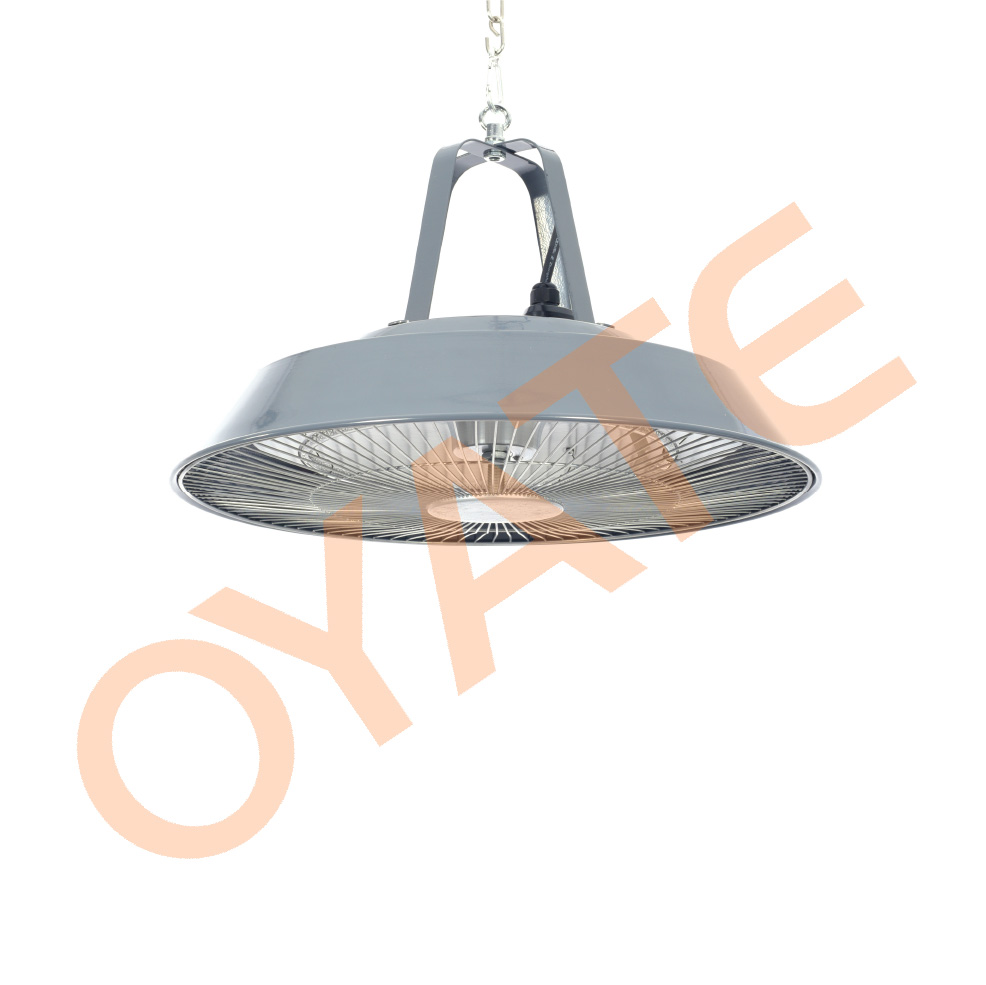
Here’s the thing—we built these electric heaters for a very specific kind of need. For the folks who build machines and need heat that’s pinpointed, totally reliable, and doesn’t turn the plant floor into a noisy mess. These aren’t your run-of-the-mill heaters. They’re compact, halogen-powered units designed to slide right into tight spots inside automated equipment.
Power, Voltage, and Size—What You Actually Need to Know
Let’s get into the guts of it. A standard unit runs on 400V and cranks out 2500W of heat from a tube that’s just 300mm long. That kind of power in such a small space means one thing: it heats up fast. So you get the heat you need without having to redesign your whole machine to make room for a bigger heater. And the 400V rating? It’s a practical choice. It keeps the electrical current manageable, so your wiring stays simple and your control panels don’t get overloaded. Just keep in mind—this heater runs hot. You’ll need to make sure your machine’s airflow and thermal setup can handle it, so everything around it stays cool and safe.
The Build: Halogen Core, Reflector, and a No-Fuss Base
Inside, you’ve got a halogen element sealed inside a quartz tube. It’s tough—built to take the heat and handle rapid on-off cycles without cracking under pressure. We added a reflector coating that pushes infrared energy straight forward. That means you get focused, directional heat where you need it, and less wasted warmth on nearby parts. And the R7s base? That’s the part you’ll actually appreciate when you’re on-site. It slides in, the pins click into place, and you’re wired up. No tools, no headaches. Just the kind of install that saves you hours when you’re trying to get a machine back online.
Where It Shines—And Why It Matters
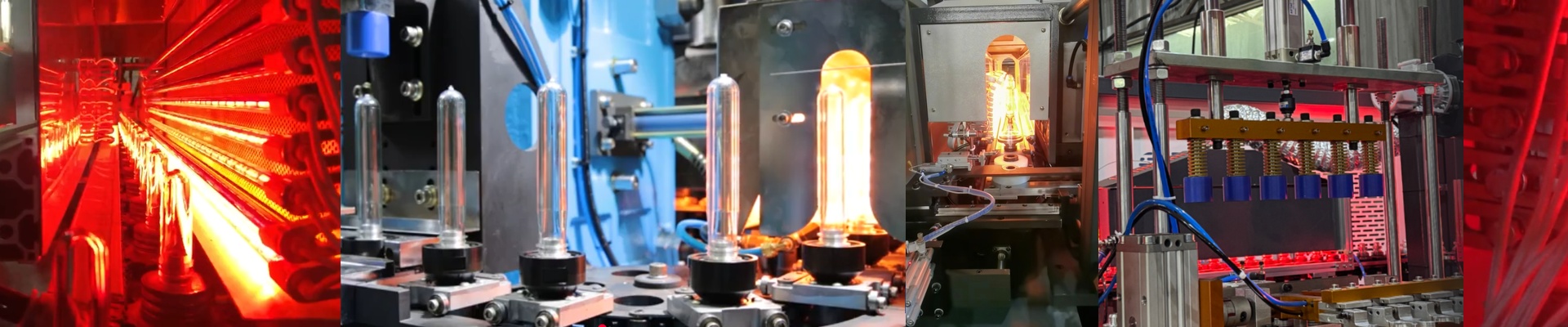
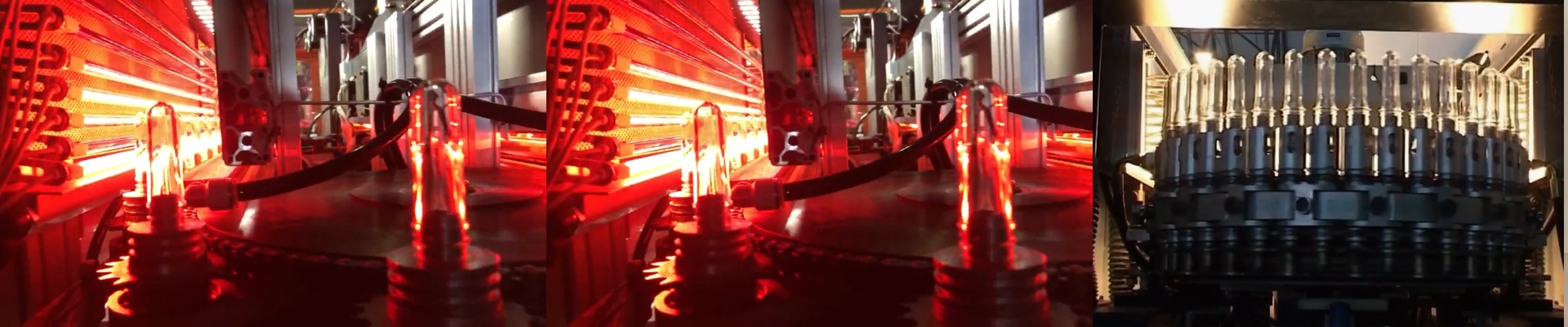
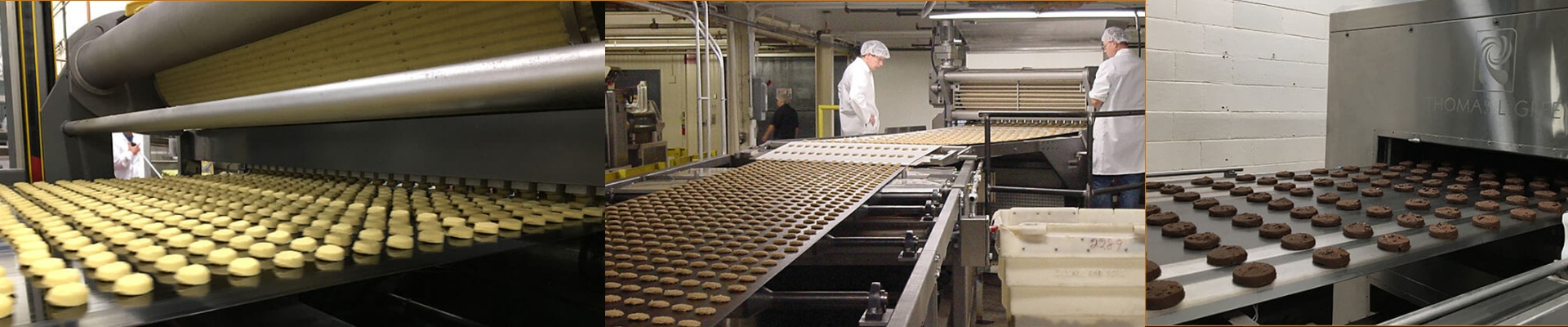
These heaters are perfect for jobs where you need heat that’s steady and predictable. Think heating plastics, activating adhesives, or drying a specific spot on a product. The quiet operation is a big deal, too. No annoying hum means your operators stay comfortable, and you don’t have acoustic sensors going off every five minutes. Plus, the compact size, quick response, and simple R7s connection make it a breeze to swap in as a direct replacement. You keep the same thermal profile, the same reliability, and you get it done without overthinking it.