

What Makes These Heaters Tick: Power, Voltage, and Size
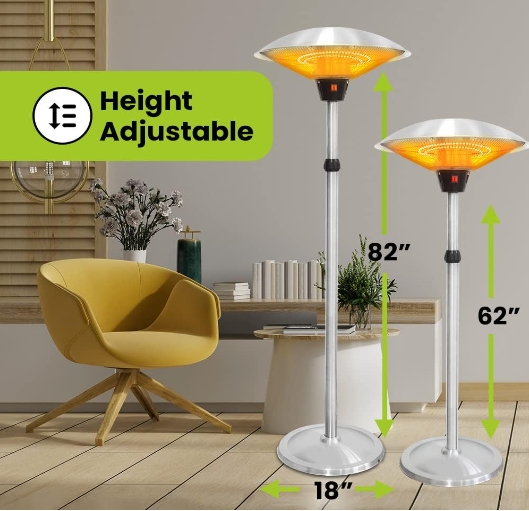
Let’s talk about what’s actually going on inside those sleek Living room heaters. We spec them to run on 240V. Why? Because it drops the current draw compared to a 120V unit. That means you can use smaller wiring, keep the in-line fuse simple, and avoid that annoying voltage drop along the line. The wattage is chosen to fit a compact footprint—enough power to warm a specific spot without tripping a standard circuit. And the tube length is matched perfectly to the heater housing, so the heat spreads evenly. No hot spots. Just a steady, predictable warmth that the controls can count on.
The Secret Sauce: Halogen, Quartz, and the R7s Base
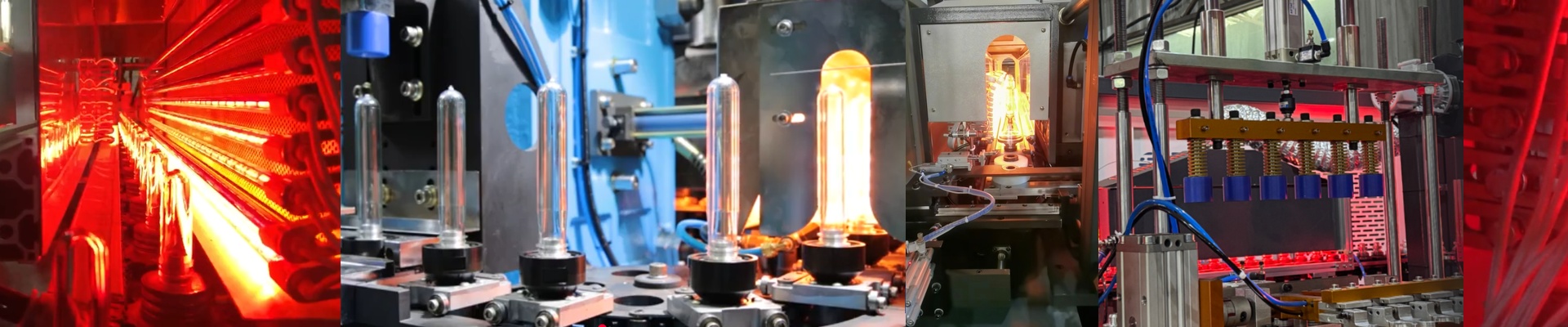
Inside that tube, a halogen element sits snug in a quartz envelope. This combo keeps the output stable, even as the tube ages. Quartz is tough—it handles high heat and doesn’t crack under the stress of repeated heating and cooling cycles. The halogen cycle keeps the filament clean, so you get consistent brightness and heat throughout the tube’s life. Then there’s the R7s connector. It’s a simple, two-pin setup that locks the tube right into the reflector. It handles the load, keeps the contact solid, and makes replacing the tube a no-brainer. Just pop it in. Done.
Why It Works So Well in Your Living Room
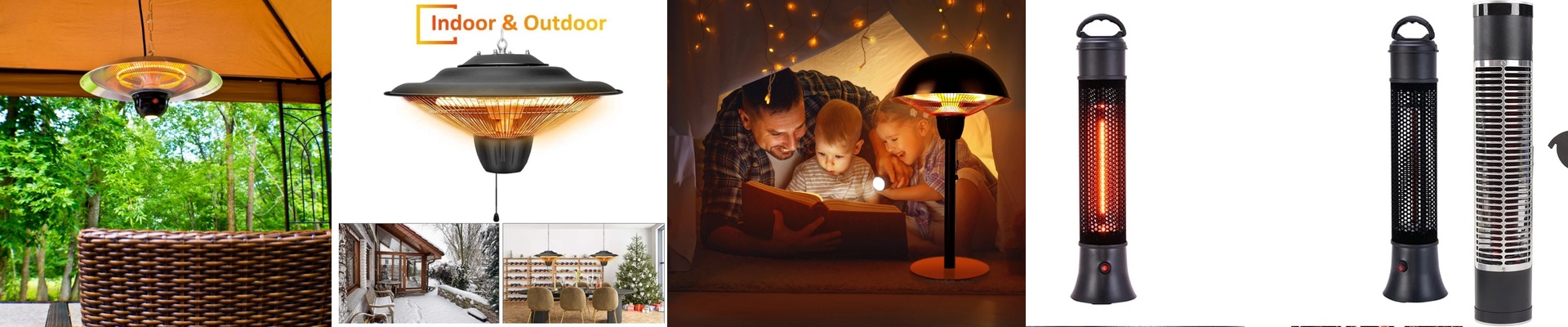
In a living room heater, you want warmth that shows up fast, without overcomplicating things. Halogen tubes deliver that instantly—radiant heat that warms people directly, not the whole room air. The 240V design keeps the wiring clean inside, and the R7s base cuts down on assembly steps. Now, here’s the trade-off: the tube runs hot. So the housing needs solid ventilation, and the thermal cut-out has to be matched to the actual load. The quartz and halogen are chosen for daily use, and they hold steady. For you, that means fewer headaches, fewer failures, and a heater that just does its job. You wire it up, set the thermostat, and it performs—reliably, every time.