
12V and 24V Electric Heaters: Why We Build Them for Low-Voltage Industrial Heat
We make 12V and 24V heaters for one simple reason: sometimes you just can’t use standard line voltage, but you still need heat you can control—right where you need it. These units are built for the real stuff: mobile equipment, control panels, and compact machines that run on low-voltage DC or isolated power. Think of them as the heat solution that fits into the spaces standard power can’t reach.
The design reality: voltage, power, and the space you have
Here’s the thing about low voltage (12V/24V): the current math changes. For the same wattage, you’re pulling more current, so the heater has to be built differently. We design for heavier conductors and solid terminations to prevent voltage drop and those hot spots that can sneak up on you. The element and leads are sized to match what your supply can actually deliver, so the heat output stays predictable. And size? It matters more than people think. These heaters have to fit into tight bays without forcing you to redesign the whole machine. So we keep them compact—shorter length, tighter diameter—so they drop in cleanly. But there’s a trade-off: packing high power into a small envelope means high heat density. You’ve got to give that heat somewhere to go. Adequate airflow or enough contact surface area keeps nearby components from running too hot.
Materials and build: tough enough for the dirty jobs
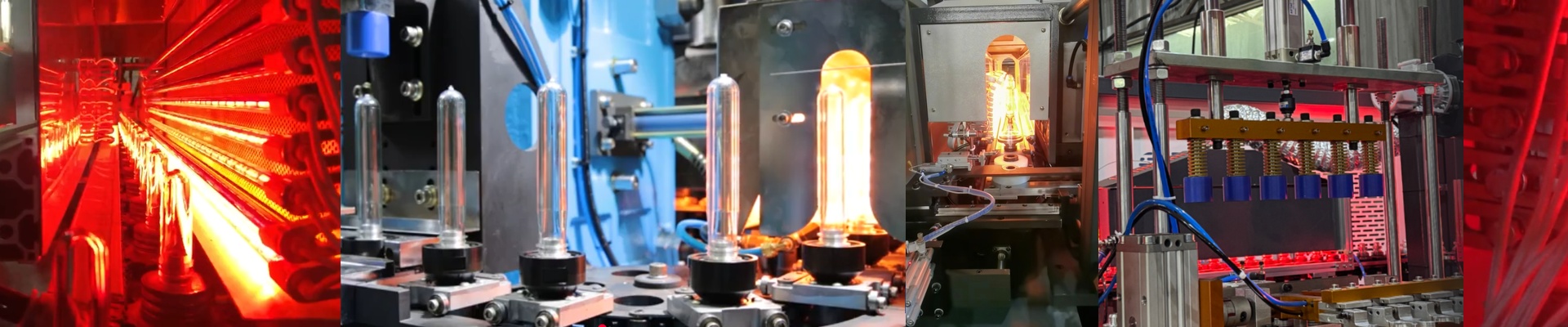
We use halogen-filled quartz envelopes because they handle fast temperature swings and stay steady over thousands of cycles. The halogen cycle helps keep the element clean, which matters when you’re working in gritty, industrial environments. Terminations are chosen for real-world use, not paperwork. We offer standardized connector options so you can wire the unit quickly and replace it without reworking the whole harness. The right connector cuts installation time and keeps the connection secure—even when things are vibrating.
Where these heaters shine—and why it matters
These heaters are made for practical, engineer-focused jobs: preheating hydraulic lines, keeping process temperatures steady inside enclosures, and supporting packaging and plastics equipment where precise heat control matters. The low-voltage approach also makes safety planning simpler. And it lets you run heat close to the target, without long high-voltage runs that complicate things. If you need a heater that drops in and just works, start by matching the voltage, wattage, and length to your space and duty cycle. We build the unit to fit the job—no more, no less.