
Stop Fighting the Ceiling: A Better Way to Heat Changing Rooms
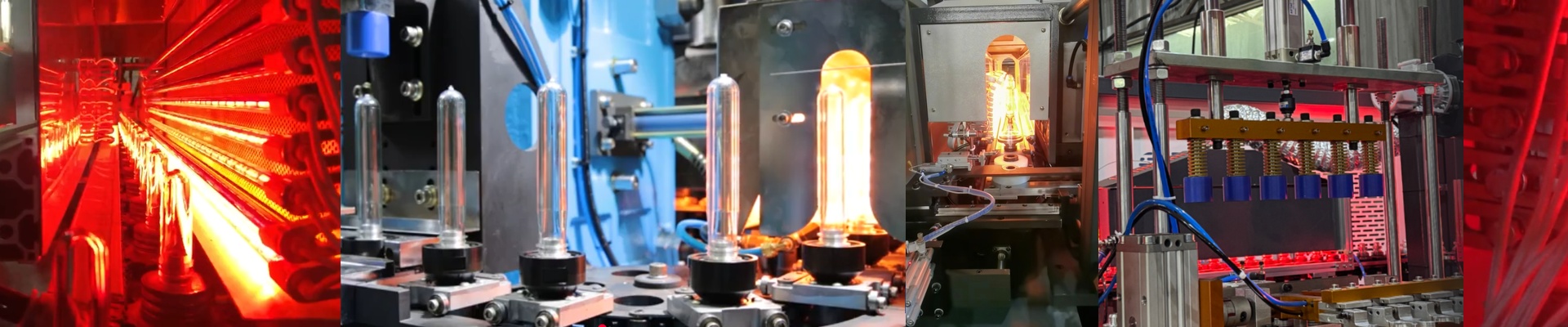
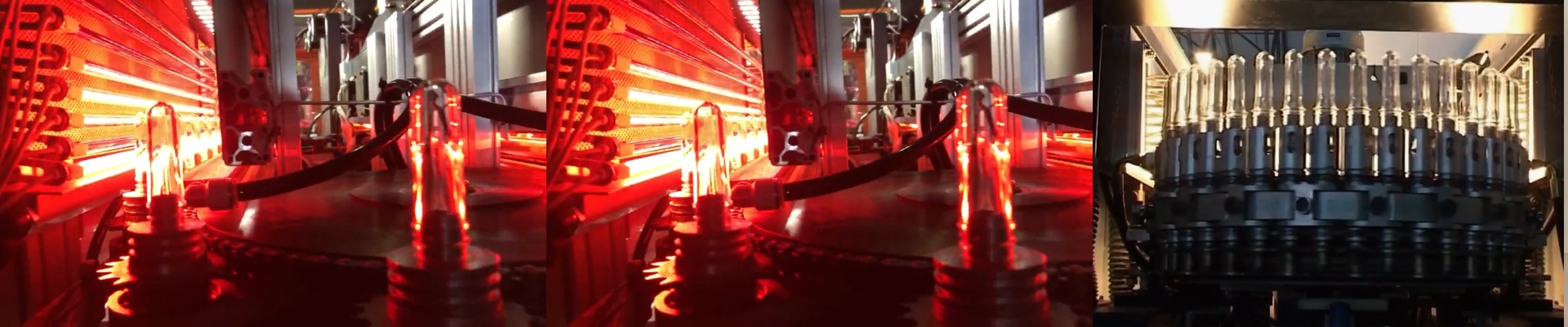
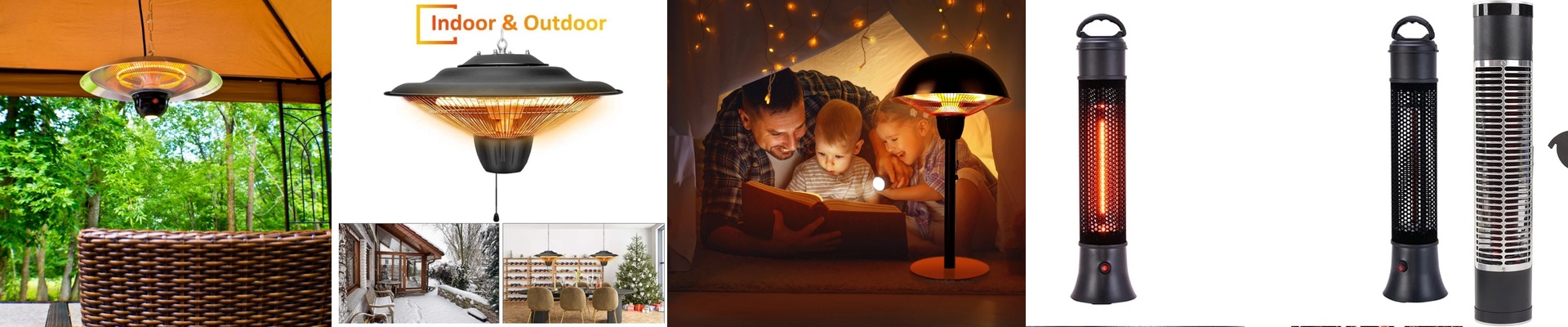
If you’ve ever tried to heat a changing room with high ceilings, you know the struggle. You crank up the heat, the vents blast away, and yet… your feet are still freezing. That’s because warm air is lazy. It just floats straight up to the ceiling and stays there, leaving everyone standing on the cold floor shivering. It’s a waste of money and a nightmare for whoever is actually using the room. Here is the secret: stop trying to heat the air. Instead, we use short-wave infrared (IR). Think of it like the sun. When you step outside on a winter day, the air might be freezing, but the moment the sun hits your skin, you feel that instant warmth. That’s exactly how this works. These emitters send waves straight to the person or the bench. They don’t care about the air in between. The heat only happens when it hits something solid. No more wasting energy heating a giant void of empty space above people’s heads. You just feel warm. Fast. Getting the gear right Since we’re dealing with high ceilings, we can’t use the weak stuff. We go with high-wattage quartz emitters. These have a lot of punch, which means they can throw heat across a long distance without losing their edge. We also use a specific short-wave coating. It helps the heat penetrate deeper and travel further. It’s the difference between feeling a faint glow and actually feeling toasted in seconds. But, there’s a catch. These things pull a lot of power. You can’t just plug them into a wall socket and hope for the best. You’ll need dedicated circuits and wiring that can handle the heat and the initial power surge without tripping a breaker. The “Shadow” Problem One thing to keep in mind: IR is line-of-sight. If a big locker or a concrete pillar is standing between the heater and the person, that person is going to be cold. It creates a “shadow” where the heat can’t reach. Because of that, you can’t just slap these on the ceiling and call it a day. You have to map out the room and place them carefully. A little bit of planning during the install saves you from having “cold spots” that make the whole system feel broken.