
Better Heat, Faster Fryers: Why We Use Infrared Ceramic
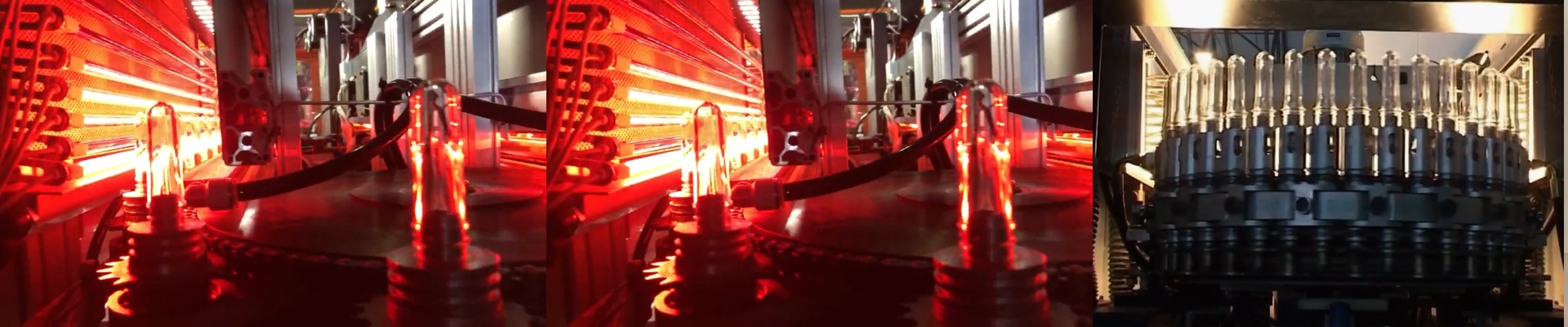
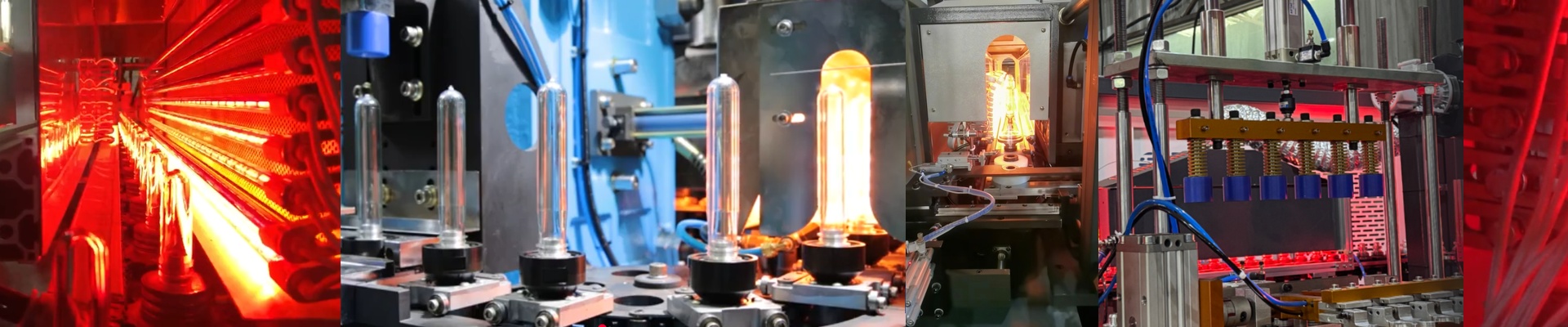
If you’re building a smart kitchen, you know the software is the easy part. The real headache is the hardware. You can have the smartest AI in the world, but if your heating element takes five minutes to react to a command, you’ve got a problem. That’s why we went with high-precision infrared ceramic heaters. Traditional immersion elements are slow. They heat the oil, and then the oil heats the food. It’s a middleman system. Our ceramic heaters skip that. They use radiant heat to hit the food directly. It’s fast. Really fast. When your controller tells the system to tweak the temperature, the heat shift happens almost instantly. You aren’t sitting around waiting for convection to do its thing.
Built for the Grease
Let’s be honest: fryers are brutal environments. They’re hot, they’re greasy, and they’re designed to break things. We wrapped our heating elements in a ceramic shell for a reason. It keeps the filament safe from oil splatter and oxidation, so you aren’t replacing parts every few months. Plus, we don’t do “one size fits all.” Whether you need a specific wattage or a weird dimension to fit your fryer’s footprint, we can make it happen. We can even tweak the surface coatings. Depending on what you’re cooking, you can choose between a quick surface sear or heat that penetrates deep into the food.
A Word of Warning
Here’s the thing: this kind of heat is intense. Because it’s high-density infrared energy, it doesn’t just cook the food—it can melt nearby plastic or fry your wiring if you aren’t careful. Don’t skip the shielding. Make sure your sensors are protected and your wires are wrapped in high-temp silicone or fiberglass sleeving. Trust me, it’s better to do it now than to deal with a melted circuit board later.
Making the Switch
If you’re still using old-school analog systems, these heaters are a great way to modernize without rebuilding everything from scratch. Pair one of our ceramic elements with a PID controller and a fast thermocouple, and those annoying temperature swings just… disappear. You get a consistent golden brown every single time, and your oil lasts longer because you aren’t accidentally overheating it.