
Keeping Your Bathroom Heater from Becoming a Hazard
Putting infrared lamps in a bathroom isn’t as simple as just slapping a waterproof cover on them. You’ve got high-voltage heat elements sitting in a room full of steam and droplets that are basically hunting for a way to ground. If you want a setup that actually stays safe, you have to obsess over where the lamp meets the power supply.
Dealing with Steam (The IP66 Stuff)
You’ll see “IP66” on the spec sheets. In plain English, that means it can handle dust and high-pressure water jets. But here’s the thing: in a bathroom, the real villain is condensed steam. Steam is sneaky. It slips through standard seals way easier than a splash of water does. That’s why we lean on silicone gaskets and sealed cable glands. They keep the moisture from creeping into the wiring terminals. Because if water hits those live terminals? You’re looking at a short circuit or a ground fault. Not a great way to start your morning.
The Invisible Shield
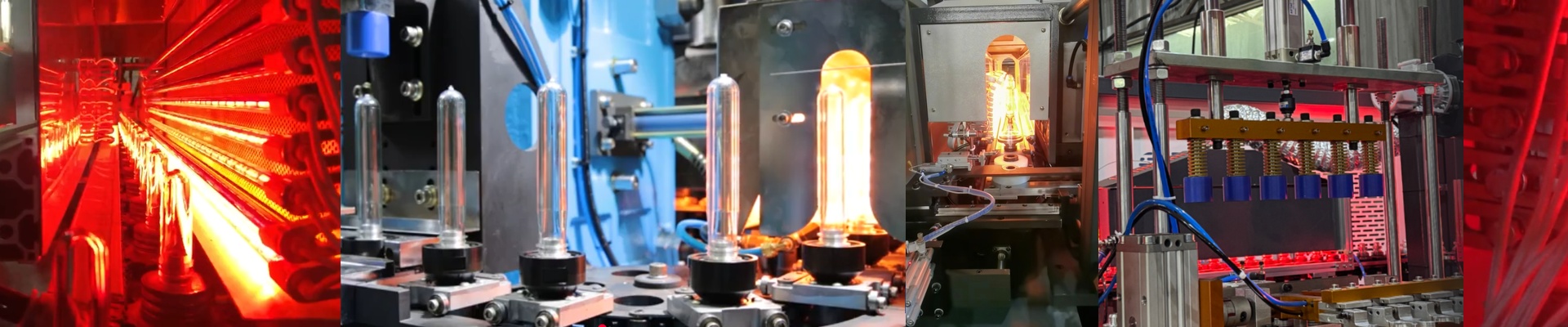
To keep things reliable, we use high-grade quartz glass and ceramic insulators. The heating filament lives inside a quartz tube—either vacuum-sealed or filled with halogen—which does the heavy lifting for insulation. But the real danger zone is where the wires actually touch the lamp. Those connection points have to be totally isolated from the metal chassis. We use reinforced materials that don’t lose their strength just because the air is thick with humidity. It’s all about making sure the electricity stays exactly where it’s supposed to.
The Great Balancing Act: Heat vs. Seals
Here is where it gets tricky. Tight seals are amazing for keeping water out, but they’re terrible for letting heat escape. When you seal an IP66 housing tight, you’re basically trapping the heat inside. If you jam a high-wattage lamp into a tiny, airtight box, the internal temperature is going to skyrocket. You have to find a middle ground between a perfect seal and enough thermal mass to soak up that heat. If the housing gets too hot, it starts eating away at the wire insulation. Eventually, things just burn out. Always double-check your thermal headroom before you start wiring. It’ll save you a lot of headaches later.