
Stop Fighting With Your IR Lamps: Getting the Right Fit for Your PET Line
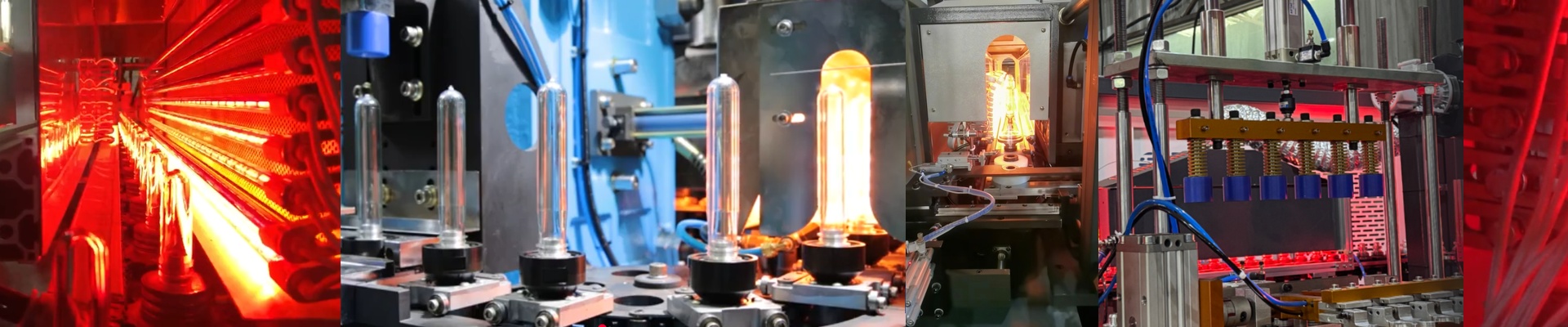
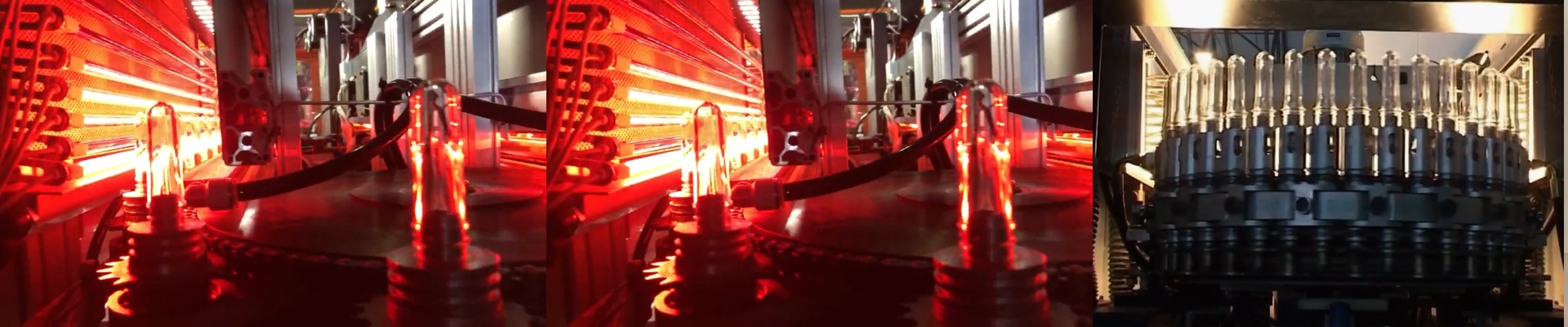
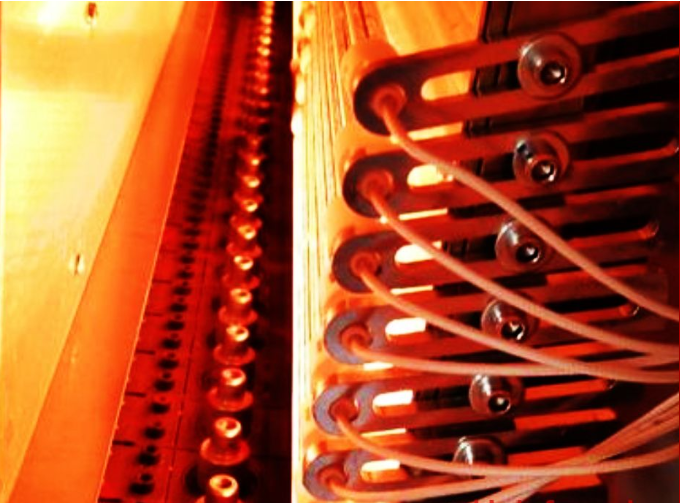
If you’ve ever had a lamp burn out in the middle of a run, you know the headache. You don’t want to spend your afternoon rewriting PLC logic or hacking away at oven racks just to get a replacement to fit. You just want a lamp that slides in and works. That’s why we build ours to be “drop-in” ready. We’ve focused on the three things that actually matter—power, size, and heat output—so they work with about 95% of the machines out there. Let’s talk power. Industrial voltages are all over the place. Whether you’re running 230V or 400V, the wattage has to be spot on. If it’s off, you’re either scorching your preforms or you’re not hitting that glass transition temperature. Now, a 2500W tube is great for high-speed lines because it packs a punch. But a word of caution: make sure your wiring can actually handle it. If your wires are too thin, you’ll get voltage drops, and you’ll end up with uneven heating across the oven. That’s a nightmare to calibrate. The nuts and bolts (and glass) We use high-purity quartz. Why? Because these things go through a lot of thermal shock when they cycle on and off, and cheap glass just cracks. For the connectors, we stick to the basics: R7s or Sk15. They’re the industry standards for a reason. Since we use these footprints, you won’t have to swap out sockets or rewire your lamp holders. Plus, we can coat the lamps. This pushes the energy straight into the PET material instead of wasting it by heating up the oven walls. It’s just more efficient. What happens on the floor The best part is the installation. You slide them in, wire them up, and you’re back in business. No fuss. Just keep one thing in mind: if you go with high-wattage lamps to speed up your production, the inside of your oven is going to get a lot hotter. You’ll need to keep an eye on your cooling blowers. If they can’t keep up, the preform necks might overheat, and that’s a quality issue you don’t want.