
Making Bathroom Heat Safe (And Actually Durable)
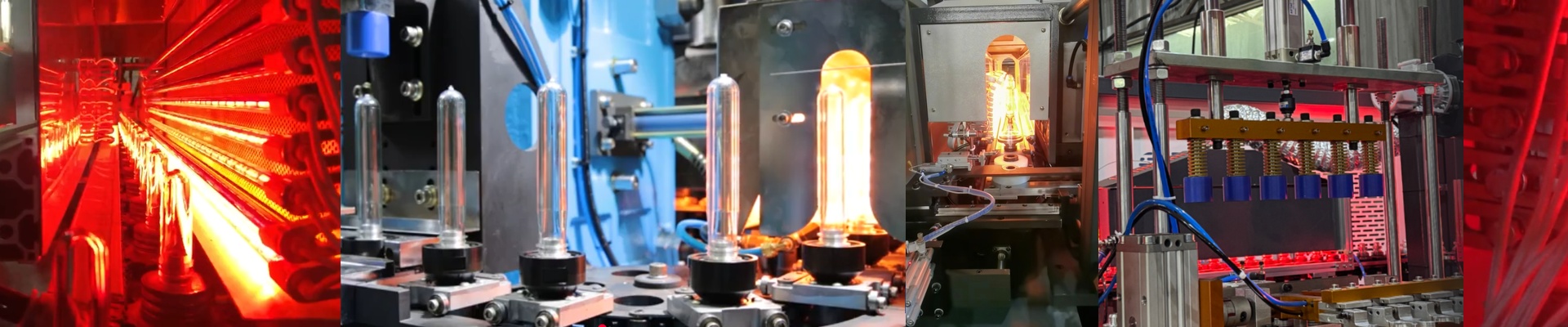
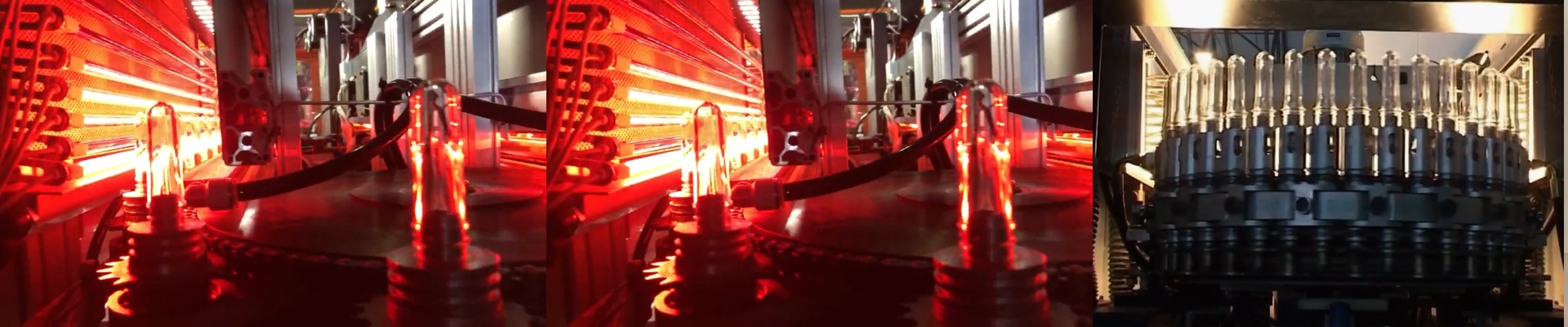
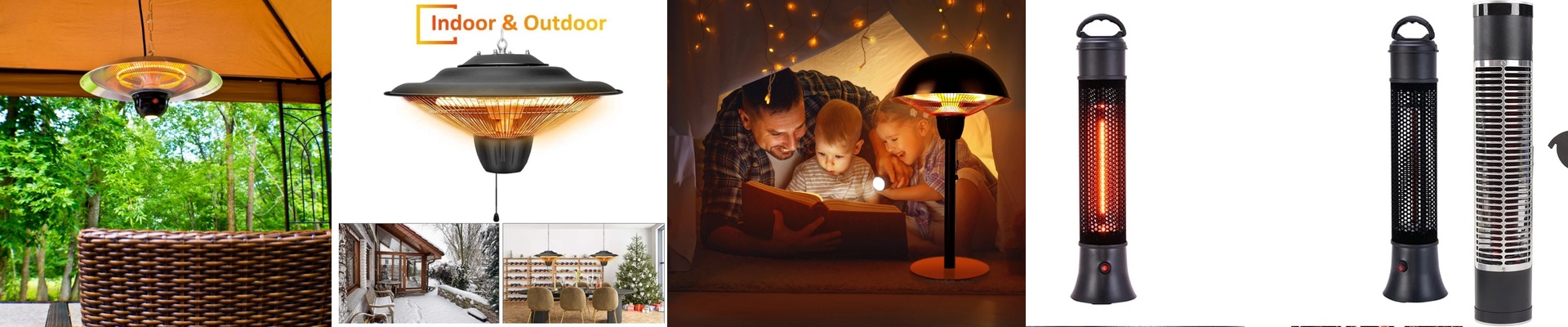
When you’re heating a bathroom, you can’t just throw raw wattage at the problem and call it a day. It’s especially true if there are babies or toddlers around. In those cases, the kind of light the lamp puts out isn’t just a detail—it’s a safety requirement. We spend a lot of time figuring out how to give you plenty of warmth without creating a blinding glare that stresses the eyes. The trick with the light Standard short-wave infrared lamps can be harsh. They’re bright. Too bright. To fix that, we use special quartz coatings or filtered filaments. Basically, these coatings tweak the light spectrum to cut out those aggressive peaks that cause glare. You still feel the heat on your skin, but the light stays soft. Now, there’s a trade-off here. Filtering the light means you lose a tiny bit of efficiency, but it’s the only way to make these safe for a home. Dealing with water and heat Since these are IP65 rated, they have to be totally dust-tight and able to handle water jets. We wrap the heating element in a sealed quartz envelope with gaskets that can take the heat. But here’s the thing: you can’t just slap a seal on a lamp and hope for the best. The heat inside a sealed housing gets intense. If the airflow isn’t exactly right, the element will just “heat soak” and burn out way too fast. It’s a delicate balance. Getting it installed We made these as drop-in replacements because nobody wants a headache during installation. Most of them use R7s or spring-loaded connectors to keep the electrical contact tight. **Be careful here.**A loose connection can cause an arc, and that will melt your socket in a matter of minutes. While you’re wiring things up, keep an eye on your voltage stability. If your power line is jumping around, your filament won’t last nearly as long. And since these live in humid bathrooms, just double-check that your seals are seated tight before you flip the switch.