Why Your Buffet Heat Actually Matters
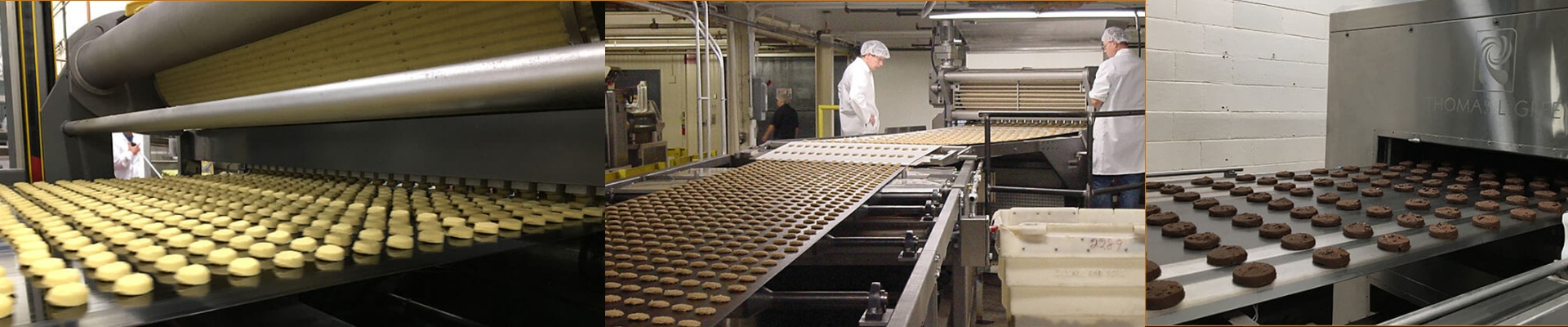
Keeping food warm under a buffet lamp isn’t just about making sure it isn’t cold. It’s a bit more delicate than that. If you’re dealing with proteins or baked goods, a couple of degrees can be the difference between a perfect, golden-brown crust and something that’s just… dried out. Or worse, burnt.
The Magic of Halogen
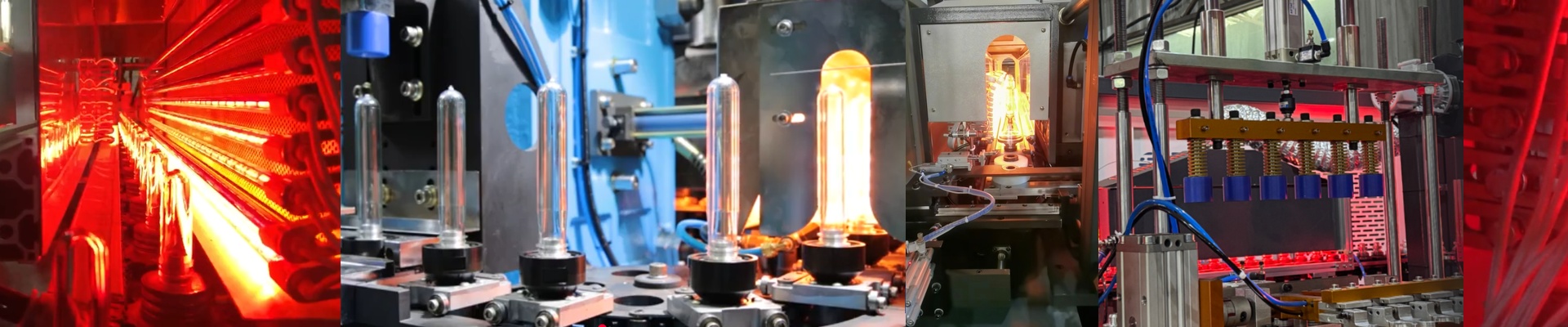
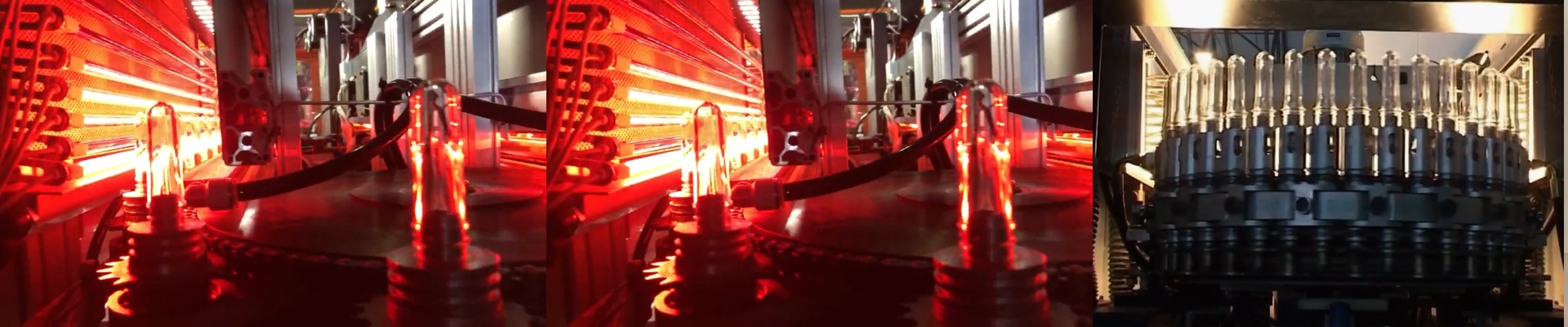
Most heating elements are slow. They take forever to warm up and even longer to cool down. We don’t have time for that in a kitchen. That’s why we use halogen gas inside a quartz envelope. Without getting too deep into the weeds, the gas stops the filament from gunking up the glass. This lets the bulb run much hotter and shoot out short-wave infrared radiation. The result?It’s instant. The second you flip the switch, you have heat. The second the controller cuts the power, the heat stops. That speed is exactly how we keep the temperature from drifting.
Getting the Hardware Right
We usually go with R7s or similar linear connectors because they actually stay put. You don’t want a loose connection when you’re in the middle of a rush. But here’s the tricky part: balancing the wattage with how far the lamp sits from the plate. If you pump too much power into a small area, you’ll torch the top of the food while the middle is still chilly. We also use high-purity quartz glass. This ensures the heat goes straight onto the food rather than just warming up the air around the lamp. It’s a much more efficient way to work.
The Trade-offs
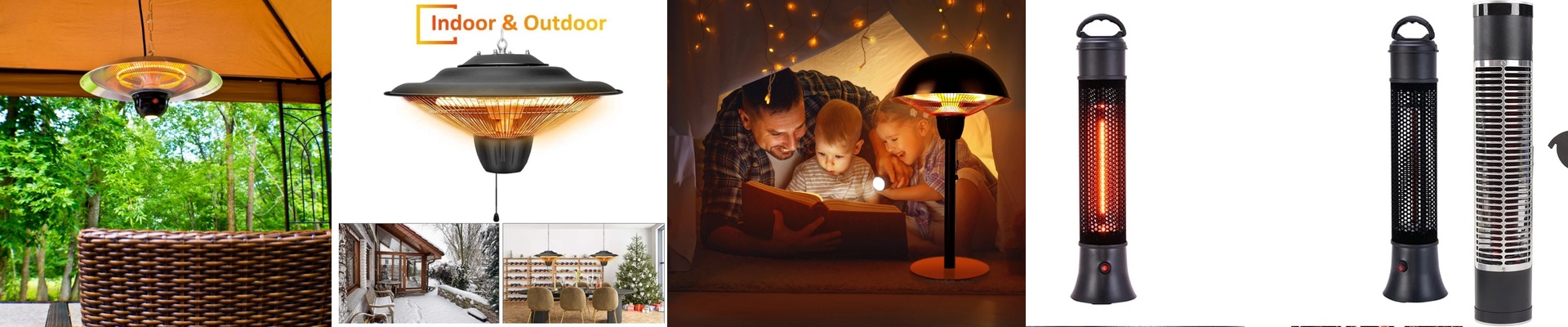
Look, nothing is perfect. These bulbs gethot. Like, really hot. If you shove them into a housing with bad ventilation, you’re asking for trouble. You could melt your reflectors or fry the socket. Always double-check that your lamp housing can actually handle the wattage you’re plugging into it. Also, keep in mind that these aren’t LEDs. They don’t last forever. You’ll need a plan to swap them out regularly so you don’t end up with a dead bulb right when the dinner rush hits.