
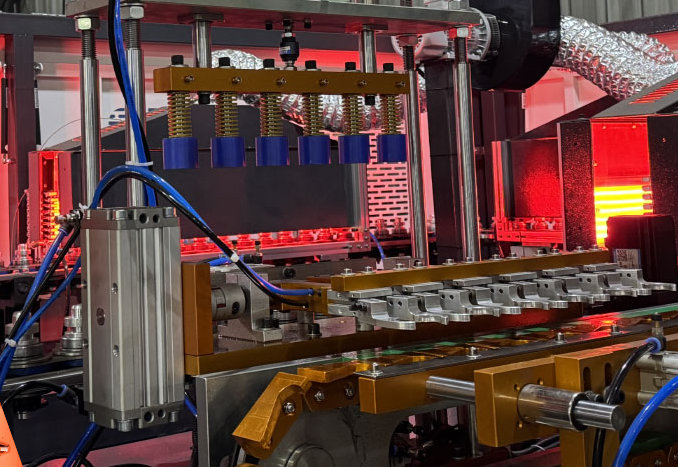
Can a few new lamps actually speed up your PET production?
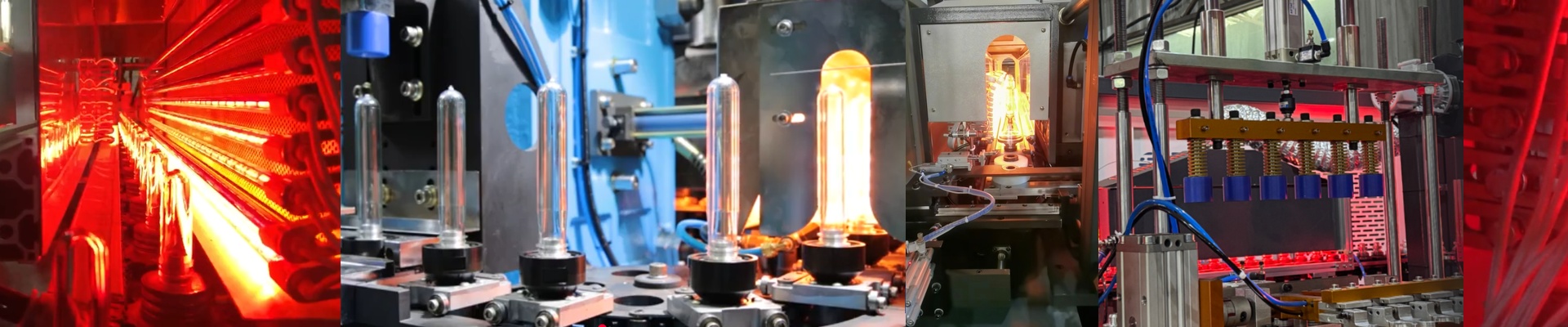
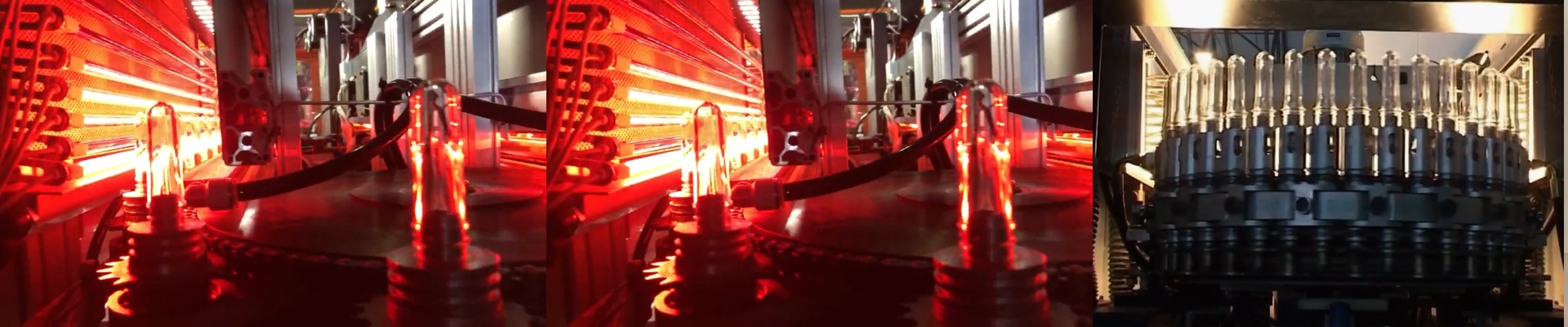
If you’re running an older blow molding machine, you know the frustration. You want to hit those modern cycle times, but the machine just won’t budge. Most of the time, the bottleneck is the heating oven. When your preforms aren’t getting hot enough—or the heat is patchy—you’re stuck slowing everything down just to keep the quality decent. But here’s the thing: you don’t actually need a brand new machine. Sometimes, just swapping out your old lamps for high-density infrared (IR) elements does the trick. It all comes down to heat density. Basically, production speed is just a race to get energy into the PET resin as fast as possible. We use short-wave IR lamps because they actually sink into the plastic rather than just bouncing off the surface. When you’re looking at replacements, just make sure the voltage and wattage match your current power supply. If you bump up the wattage, you’re putting more heat into every square inch. That means you can either shorten your heating zone or just crank up the conveyor speed. It’s fast. Really fast. And that changes everything for your daily output. The nitty-gritty on quartz and coatings. We build these things with high-purity quartz glass. Why? Because they have to handle being heated and cooled over and over again without cracking. Plus, we add a special coating to some of our units. This keeps the heat focused exactly where it needs to be—on the preform wall—instead of wasting energy by heating up the machine frame. To make it even easier, we use standard R7s or Sk15 connectors. You just pop them in. No need to rip apart your control cabinet or spend hours rewiring. One quick warning: don’t forget the cooling. There is a trade-off here. More wattage means faster heating, but it also makes the oven a lot hotter. If you push your elements up to 2500W or more, you’ve got to make sure your cooling fans can keep up. If the airflow is too weak, you might overheat your electronics or end up with deformed bottles. It’s a balancing act. Get the heat and the airflow working together, and your process stays rock solid.