
Why Off-the-Shelf Heating Elements Usually Let You Down
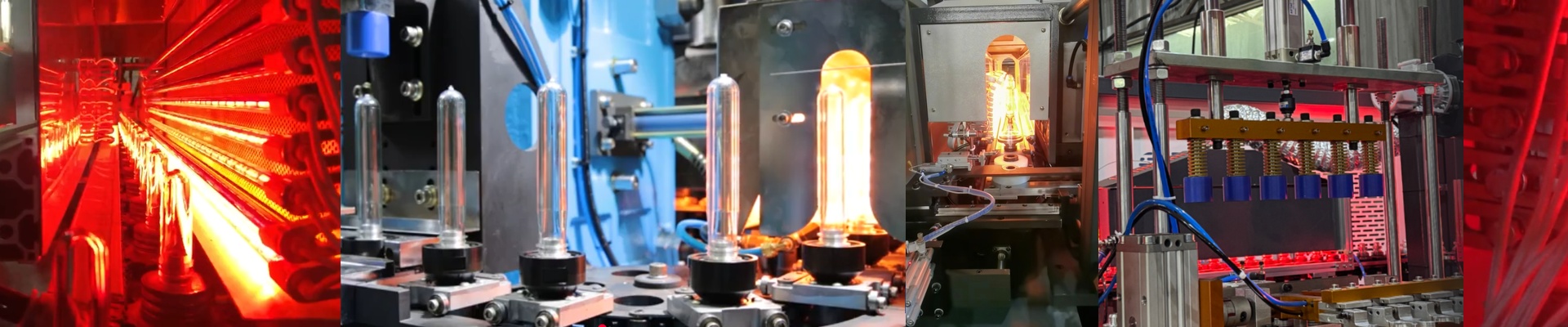
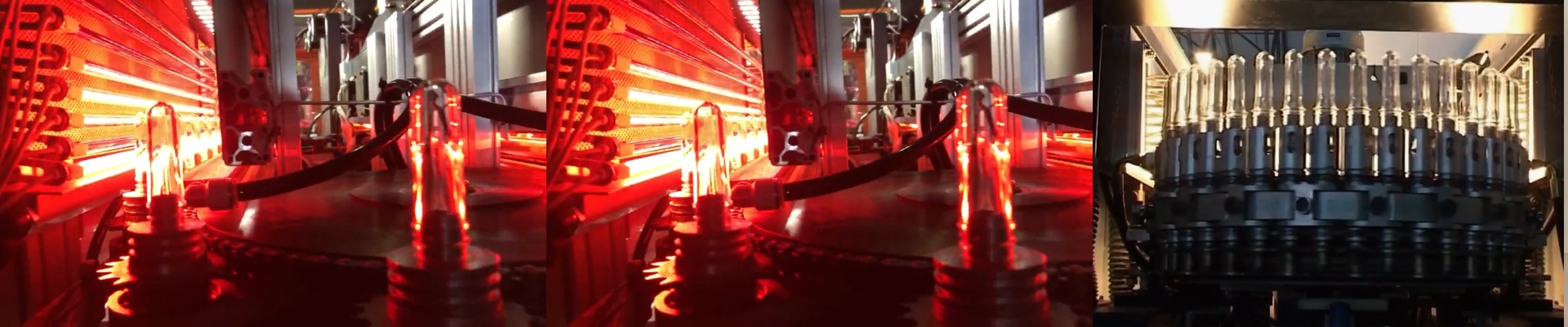
If you’re trying to shave seconds off your production cycle, you’ve probably realized that standard heating parts just don’t cut it. You know the drill: you install a standard bulb, but you’re still getting cold spots. Or you have to slow your conveyor down just to make sure the part actually gets hot enough. It’s frustrating. It’s a bottleneck. That’s why we build custom modules using clear quartz infrared bulbs. It’s a different approach that actually works.
The magic of clear quartz
Here’s the thing about clear quartz: it doesn’t hold onto the heat. It lets that shortwave radiation fly straight through. Some lamps have coatings that reflect heat back into the tube, which is a waste of energy. Clear quartz just pushes everything directly into your workpiece. The result? Your parts hit the target temperature way faster. It’s a sharp, immediate response.
Getting the power right
We don’t just toss a bulb into a housing and call it a day. We look at your specific footprint and dial in the voltage and wattage. If you need more heat in a smaller space, we increase the wattage. But there’s a catch. If you go high-wattage in a short tube, your wiring and power supply have to be able to handle that surge. I’ve seen plenty of engineers try to “over-drive” a standard lamp to get more heat. All that does is burn the lamp out early. We avoid that by balancing the filament load so you get the heat you need without frying the hardware.
Making it fit (and the trade-offs)
Custom modules mean we can put the emitters exactly where they need to be. No gaps. No “dead zones.” You don’t have to crank up the heat on the edges just to make up for a dip in the middle. Everything stays even. But let’s be real—high-intensity shortwave IR is aggressive. It’s powerful stuff. Because it’s so intense, it puts more stress on the quartz. You’ll need a rock-solid mounting system so the tubes don’t vibrate or sag when things get hot. And please, check your cooling fans. If they aren’t built for the ambient heat these modules kick out, you’re going to keep tripping your thermal cut-offs.