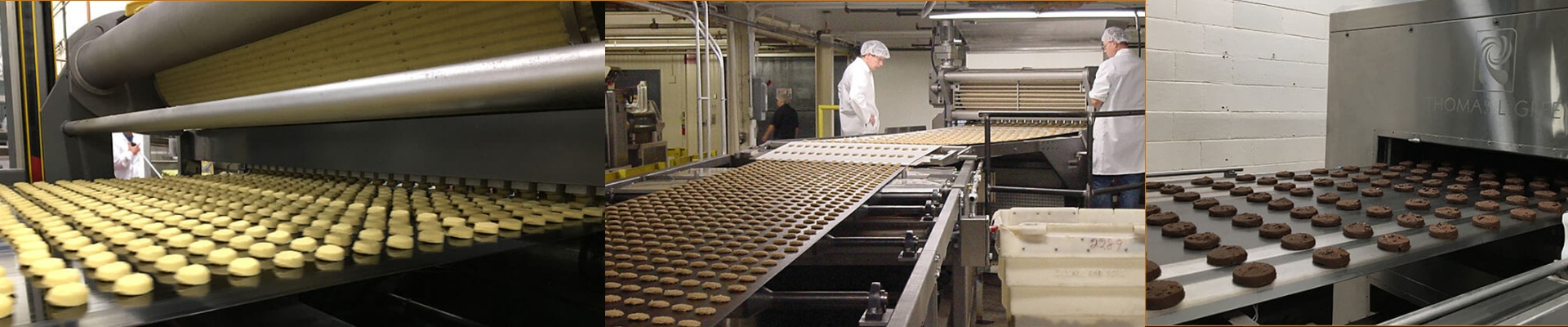
Stop Letting Your Baking Line Slow Down
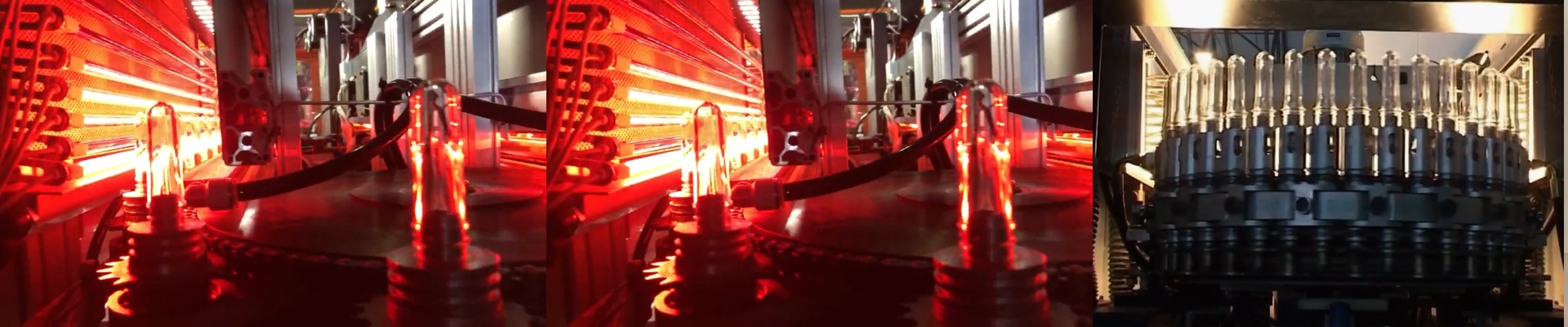
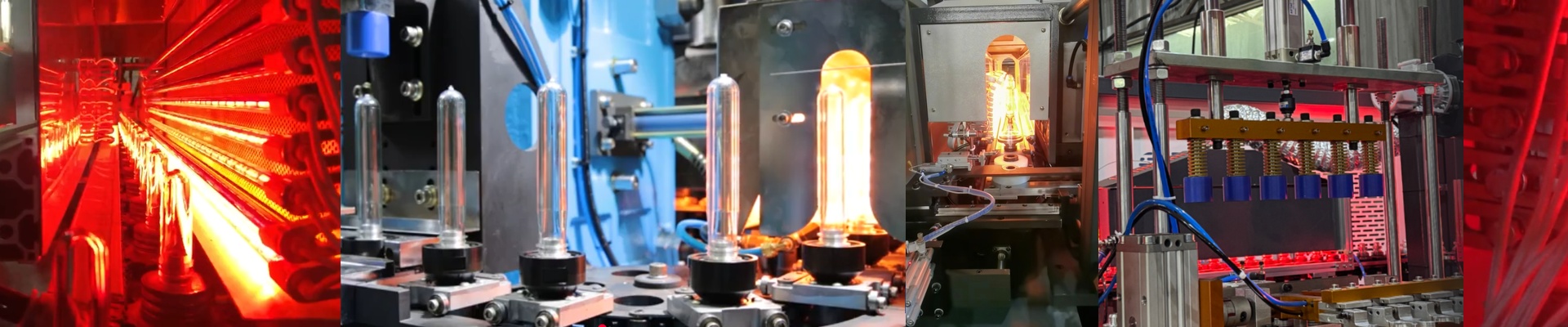
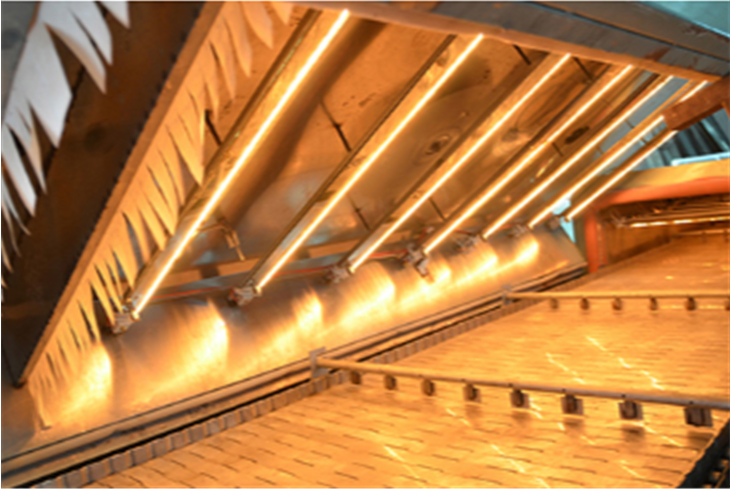
If you’re running a high-speed baking line, you know exactly where the headache is. It’s that stretch between the deck oven and the packaging station. The product starts cooling the second it hits the belt. If it drops temperature too fast, the quality tanks. But if you slow the belt down to keep things warm, you’re basically throwing away your hourly output. It’s a frustrating trade-off. We fix this by putting short-wave infrared (IR) lamps right in that preservation zone. It keeps the surface warm without accidentally cooking the inside of your product. Getting the heat right To actually move more product through the line, you need heat that hits instantly. No waiting around. We use high-wattage quartz halogen tubes because they pack a punch. By cranking up the wattage and tuning the voltage to fit your specific plant’s power grid, these lamps hit operating temperature in seconds. This is the secret to speeding up your conveyor. You can increase your “beats per minute” and let the IR radiation make up for the fact that the product is spending less time under the heat. The nuts and bolts We usually go with R7s or SK15 connectors. They aren’t just fancy plugs—they’re built to handle the way quartz tubes expand when they get hot so you don’t lose your electrical connection. We also use hard-quartz glass. It’s tough. It won’t warp, even when you’re cycling high heat all day. Depending on what you’re baking, you can go with clear or coated tubes. Coated lamps change how the heat hits, which is great for delicate pastries. You get the warmth you need without scorching the top. A few things to watch out for Here’s the thing: these high-density lamps pull a lot of power. If you’re installing 2000W+ tubes across a long line, double-check your wiring gauge and your circuit breakers. You don’t want to trip the whole system. And keep an eye on your setup. These lamps get incredibly hot. If your reflectors are off or your housing doesn’t have enough airflow, you’re looking at burnt-out sockets or fried sensors. It’s worth taking an extra ten minutes to get the venting right.