
Getting the Heat Right in Husky HyPET Systems
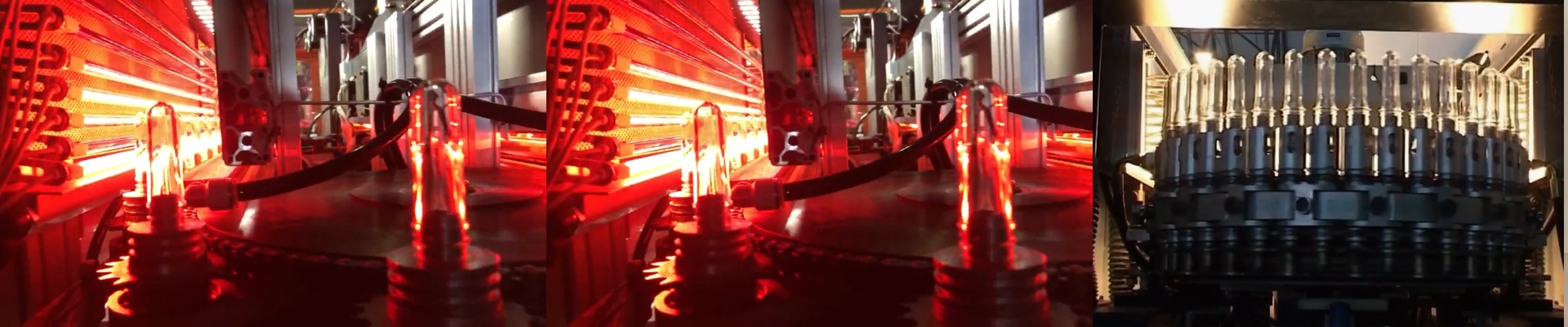
If you’ve spent any time with high-speed PET blowing, you know the struggle. You need a perfect thermal profile, but it’s a balancing act. If the preform doesn’t heat evenly, you end up with those annoying wall thickness variations or that cloudy, pearlescent look that ruins a batch. The real headache with Husky HyPET systems is the “core” problem. You need to get heat deep into the thickest part of the plastic without scorching the outside. It’s a tight window.
Getting Heat Where it Actually Matters
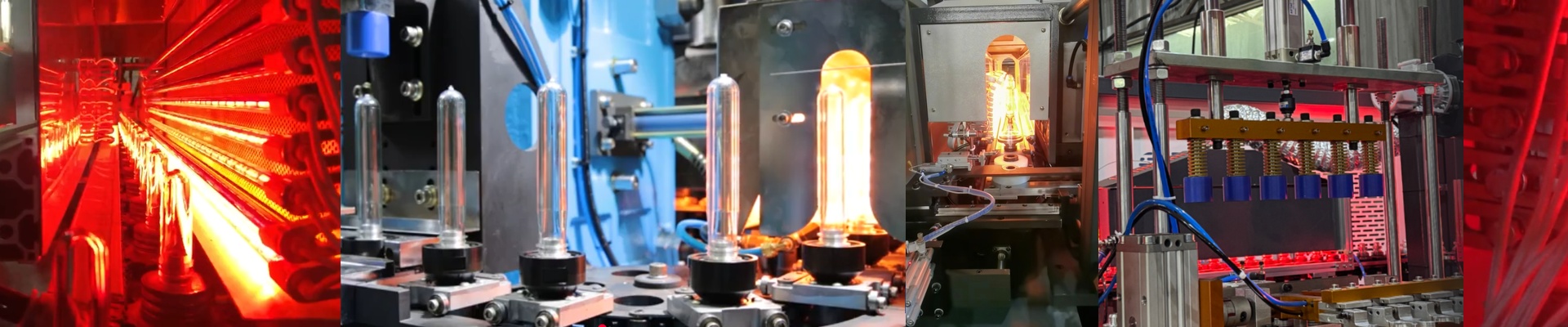
Most standard lamps just blast the surface. They hit the outside hard, but the middle stays cold. We took a different approach. By tweaking the filament and the thickness of the quartz envelope, we shifted the infrared spectrum. Basically, we made the heat “punch” deeper into the PET. The result? The core melts faster and more evenly. It’s the only way to keep those high-output lines screaming along at full speed without worrying that you’re degrading the material.
The Nitty-Gritty on Hardware
These aren’t some complicated new system you have to rebuild your machine for. They’re drop-in replacements. We matched the Krones and Husky OEM footprints exactly, so they slide right into your existing reflectors. We use high-purity quartz because nobody wants to deal with premature burnouts. We also make sure the connectors are tightened exactly to spec—because arcing at the terminals is a nightmare you don’t need. One heads-up: these lamps run at high watt densities. They pull a lot of power. Just double-check that your wiring can handle the current draw. If your voltage drops, your heating consistency goes right out the window.
The Heat vs. Cooling Trade-off
Here’s the thing: more penetration power means more raw energy inside your oven. That solves the heating lag, but it also turns the inside of the machine into a sauna. This is where your cooling blowers come into play. If your vents are clogged or your fans are underpowered, that heat soak will eventually warp your reflectors or kill your lamps early. Keep the airflow clear. It’s the simplest way to make sure your lamps actually hit their rated temperature and stay there.