How to actually get an even crust in rotary ovens
Let’s be honest: getting a perfect, golden-brown crust on a roast is harder than it looks. If you’re relying on convection alone, you’re going to run into “cold spots.” It happens because the food itself blocks the airflow. You end up with some parts perfectly crisp and others looking… well, sad. That’s why we bring in infrared (IR) lamps. Think of it like the sun. It doesn’t care about air currents; it just hits the surface of the food directly.
Getting that 360-degree coverage
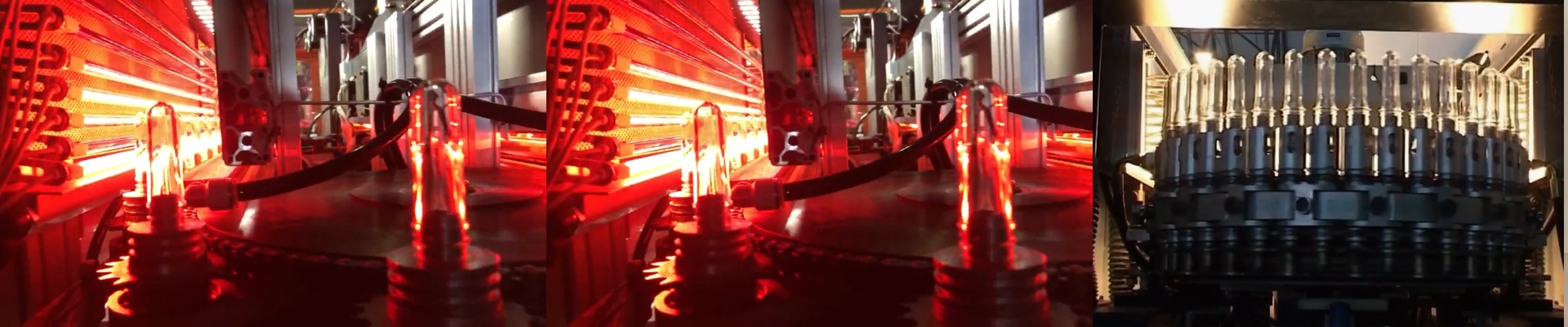
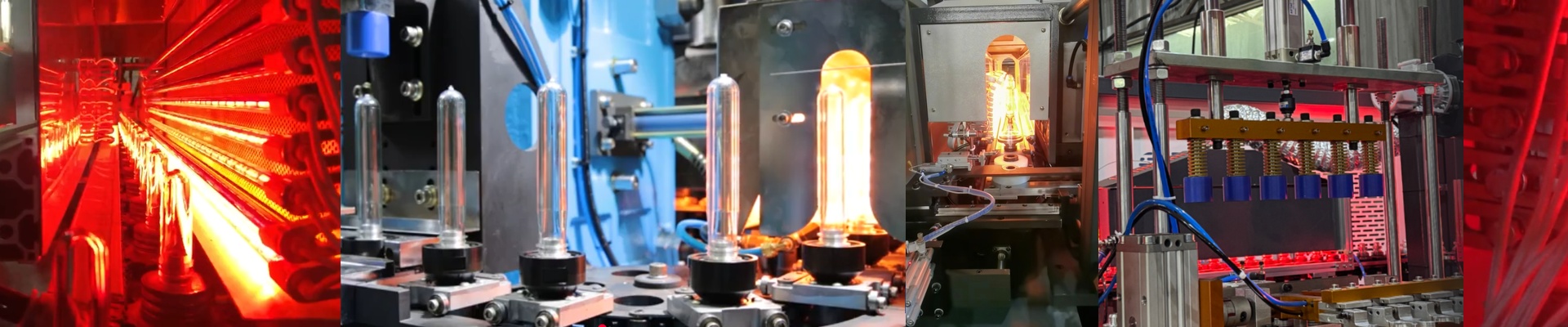
We don’t just throw one heater in there and hope for the best. We use a staggered layout of quartz IR lamps wrapped around the rotation axis. As the spit turns, the meat moves through these overlapping zones of heat. We use short-wave IR because it travels in a straight line. It hits the meat instantly. When you pair that with a steady spin, you get a constant stream of energy from every single angle. The result? The skin browns beautifully, but you aren’t nuking the inside of the roast.
The nitty-gritty on the hardware
We use high-wattage quartz tubes with reinforced ends. Why? Because commercial kitchens are brutal. The constant heating and cooling would snap cheaper glass. We also wire these into the control board with heavy-duty connectors so you don’t deal with annoying voltage drops. But here’s the trick: you have to balance the power with the size of your oven. If you cram too much wattage into a tiny space, you’ll char the outside before the center even gets warm. To stop that from happening, we use PID controllers to pulse the lamps. It keeps the surface temperature steady instead of just blasting it.
The trade-offs (The stuff no one tells you)
Nothing is perfect. High-density IR arrays pull a lot of power. If your wiring isn’t up to the task, you’re going to be tripping breakers during the pre-heat phase. It’s a headache you don’t want. And a heads-up on the hardware: quartz is fragile. If your crew is a bit rough during cleanup, those lamps will crack. We usually install protective guards, but we make sure they’re the right kind—the ones that don’t block the IR waves. Otherwise, you’re just paying for electricity that isn’t even reaching the food.