
Stop Throwing Away Your Gazebo Heaters
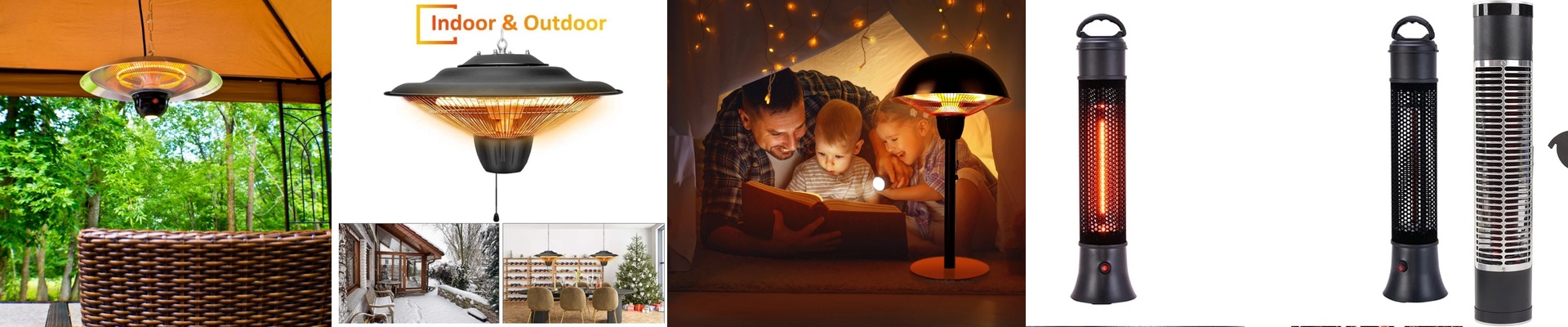
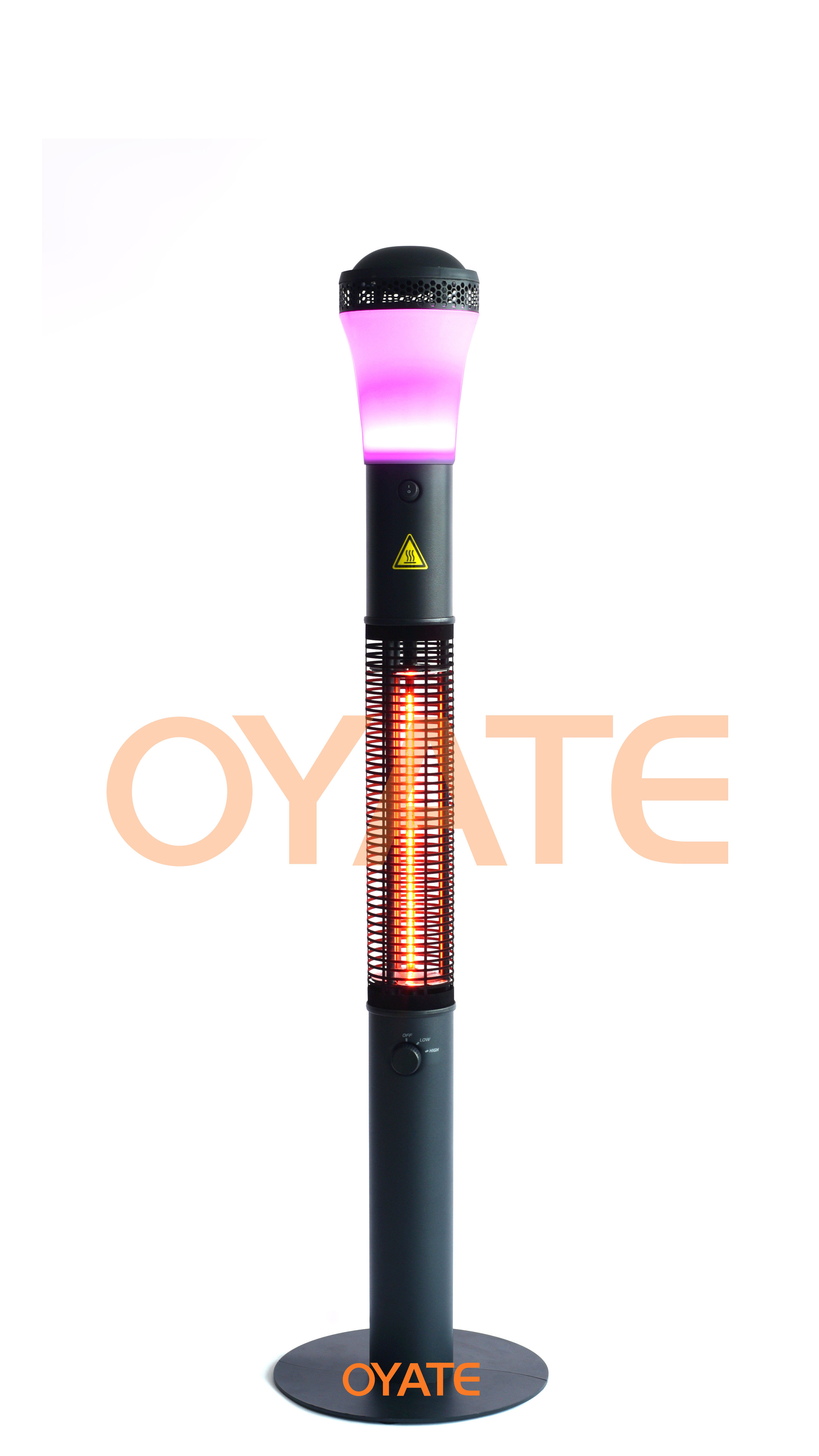
Let’s be honest: most gazebo heaters are basically disposable. You use them for a few seasons, a heating element pops, and the whole thing ends up in a landfill. It’s a waste of money and a pain in the neck. We got tired of that, so we did something different with our 1500W infrared series. We built it with a modular chassis. Here is the deal. We set these units at 1500W because it’s the sweet spot—plenty of heat, but it won’t trip your home’s circuit breaker the second you turn it on. The heart of the whole thing is the infrared tube. In a typical heater, that tube is welded in. If it dies, you’re basically staring at a giant paperweight because you can’t get the tube out without destroying the housing. Our way? We treat the heating element like a part you can just swap out. We used snap-fit brackets and standard terminals. So, if a tube burns out five years from now, you don’t have to rip out the wiring or buy a whole new unit. You just pop the old tube out, drop a new one in, and you’re back in business.It takes minutes. Now, there is a catch. When you move away from permanent welds, you have more connection points. That means you actually have to make sure the terminals are tightened properly. If a connection is loose at 1500W, it creates a hot spot that could melt the plastic. It’s a simple fix, but it matters. To keep things sturdy, we used high-temperature ceramics for the supports. Heat makes things expand and shrink, and these ceramics stop the frame from warping over time. At the end of the day, it’s all about avoiding the headache. If you’re running a commercial setup, you can’t spend your afternoon tearing down a ceiling grid just to fix one dead heater. By separating the heating element from the frame, we turned a “total system failure” into a quick component swap. You keep your wiring. You keep your layout. You just replace the part that actually took the beating.