Why we built a faster way to warm your towels
Ever tried to warm up a changing room with a standard heater? It’s a losing battle. You’re basically trying to heat the air, but in a drafty room, that warmth just floats away the second a door opens. We decided to stop fighting the air. Instead, we use short-wave infrared (IR). It doesn’t care about the breeze; it just shoots heat straight at the towel or your skin. It turns a freezing corner into a cozy spot in a matter of seconds.
The secret to that “instant” heat
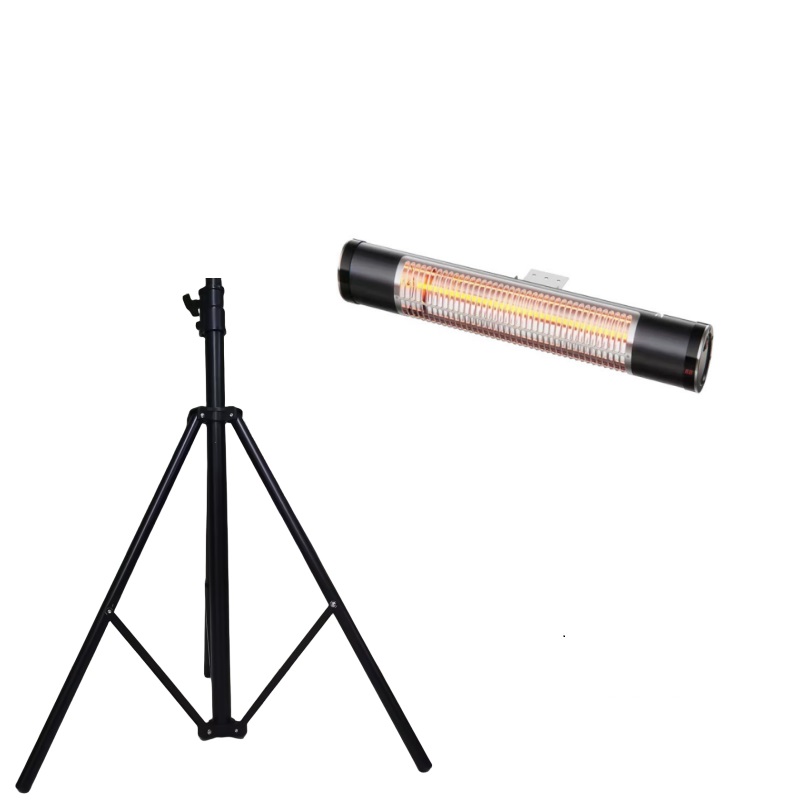
Most towel rails are just pipes full of water. They take forever to warm up because they’re relying on bulk. We went a different route. Our IR elements send out electromagnetic waves. When those waves hit a towel, they make the molecules vibrate, which creates heat instantly. To get that luxury, five-star hotel feeling the moment you touch the fabric, we cranked up the wattage relative to the size of the element. It’s a lot of power in a small space. Because of that, we make sure the mounting brackets are heavy-duty. You don’t want your wall fixtures warping because the unit is running hot.
The nuts and bolts
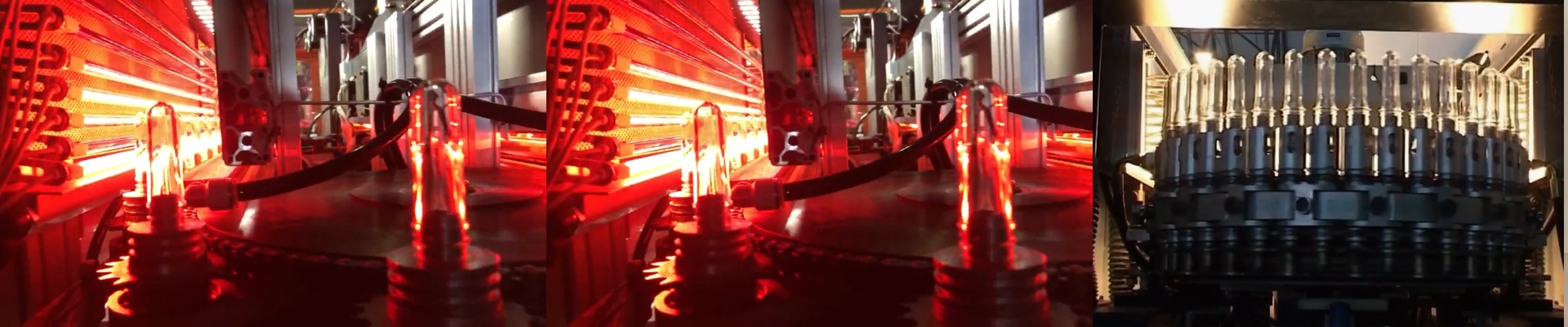
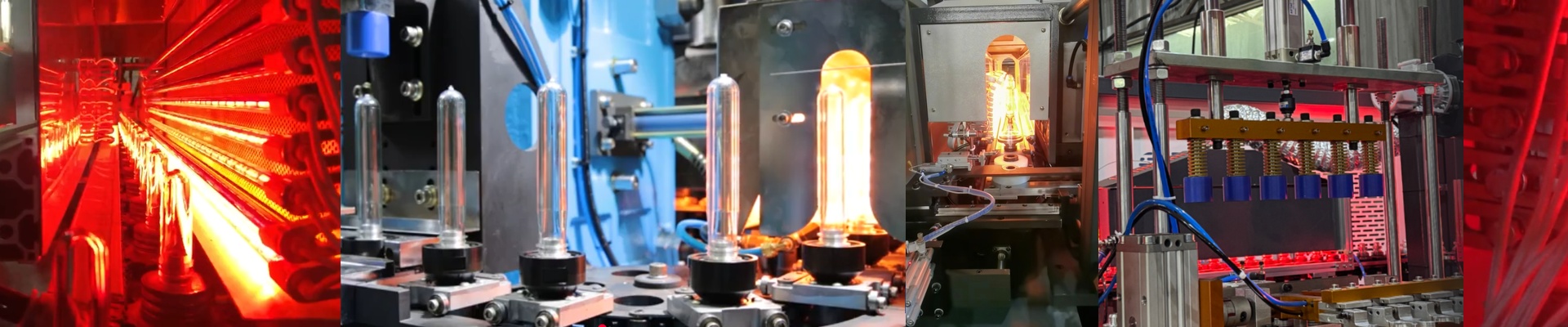
Inside, we use quartz glass to hold the heating filaments. Why quartz? Because it can handle the shock of going from cold to scorching hot without cracking. We also add specific coatings to the tubes. It sounds technical, but it’s simple: we’re just tuning the heat so it’s absorbed better by cotton and skin. As for the setup, it’s pretty painless. We use industrial connectors to keep everything tight. In this business, a loose connection is a disaster—it’ll arc and burn out the socket under a heavy load. We don’t let that happen.
The reality of installing them
The best part? These are a breeze to swap in. If you’ve got old-school radiators, you can just drop these in their place. No plumbing, no leaks, and they take up way less room. But there is one catch: you need a clear line of sight. Infrared works like a flashlight. If a locker or a wall is blocking the beam, that spot stays cold. When we’re planning a layout, we have to map the room carefully to make sure there aren’t any “thermal shadows” where the heat can’t reach.