
Getting Your Sidel Matrix Oven Temps Just Right
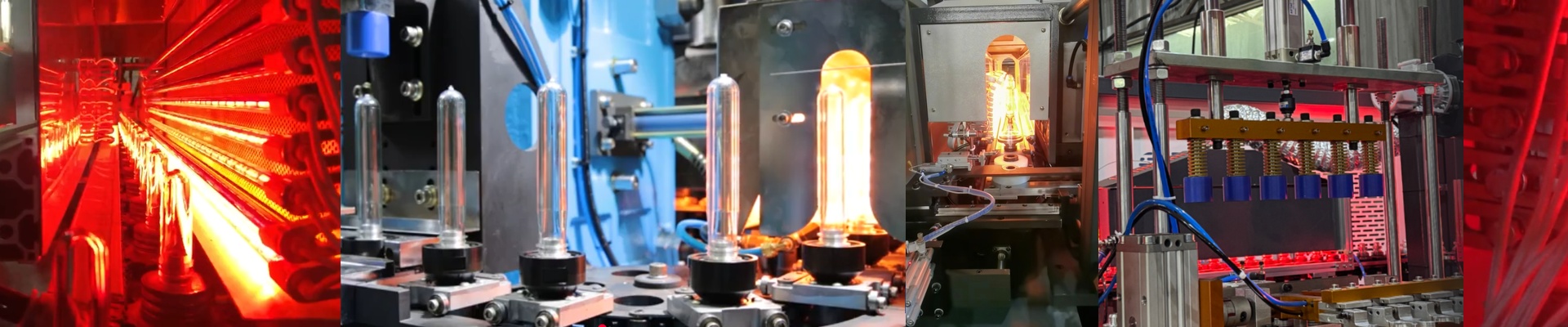
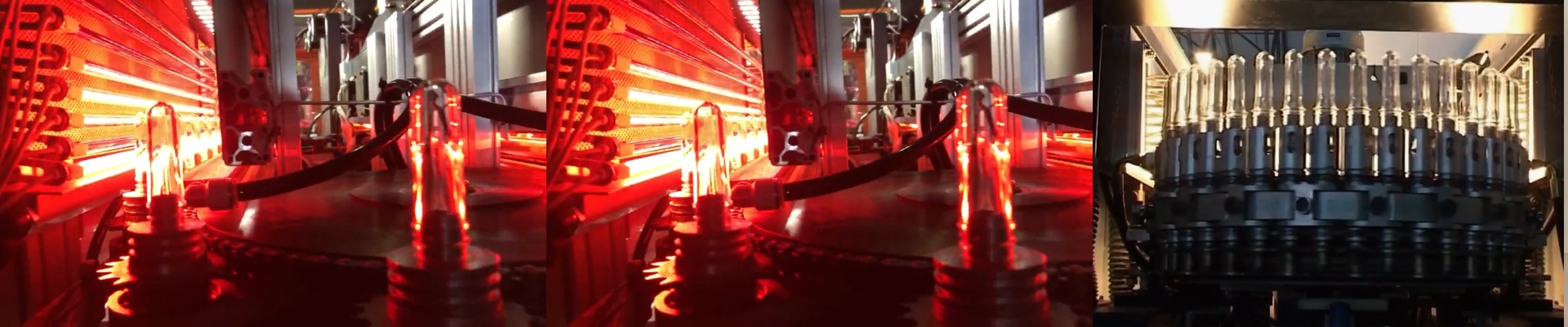
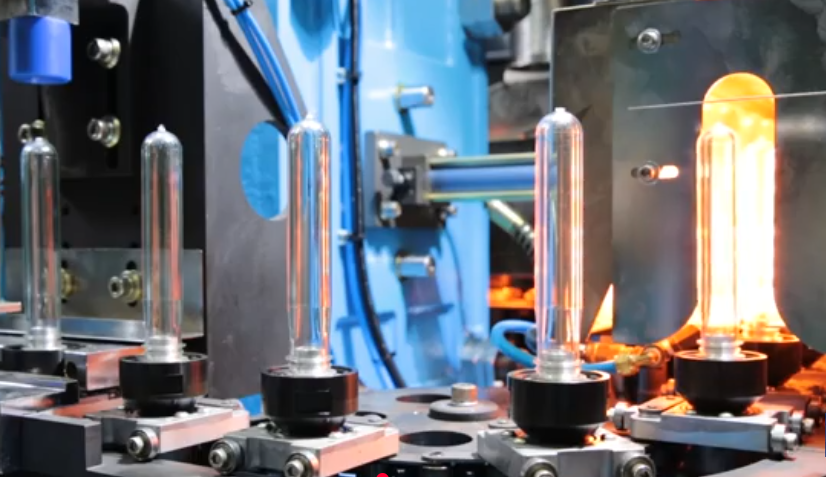
Here’s the deal: when you swap out your OEM lamps in a Sidel Matrix oven, you’re playing a risky game with your temperature curve. If the wattage is off or the light spectrum shifts even a tiny bit, you’re looking at a bad day. Your preforms will either come out under-heated or, worse, burnt. That’s why we built our infrared modules to be true drop-in replacements. We didn’t just guess; we mirrored the exact electrical and thermal footprint of the original Sidel specs.
The secret to a perfect match
Matching the wattage is easy. Any shop can do that. But to actually get a temperature curve that tracks with the original, you have to look at the power density per millimeter. We spec our filaments to hit that exact voltage-to-wattage ratio your Matrix power supply expects. Why? Because it keeps the lamps from blowing out early and ensures you actually hit your set-points when you’re running at full speed. It just works.
Glass, coatings, and the “fit”
We use high-purity quartz glass with specific coatings to dial in the infrared wavelength. Sidel machines need short-wave radiation to punch through the PET wall quickly. Without the right coatings, the heat just sits on the surface of the preform, which is a recipe for disaster. And don’t worry about the wiring. We use standard R7s or Sk15 connectors. You can plug them right into your existing loom without having to modify a single wire.
One thing to watch out for
These modules are a tight fit—they slide right into your oven racks without any fuss. But there is a catch. High-wattage tubes deliver the heat you need for fast cycle times, but that puts a lot of pressure on your ventilation. If your cooling blowers are clogged or just worn out, these lamps will spike the ambient temperature inside the oven. That’s how you get preform deformation. Keep your airflow clean. It’s the only way to make sure the thermal stability we built into these lamps actually does its job.