
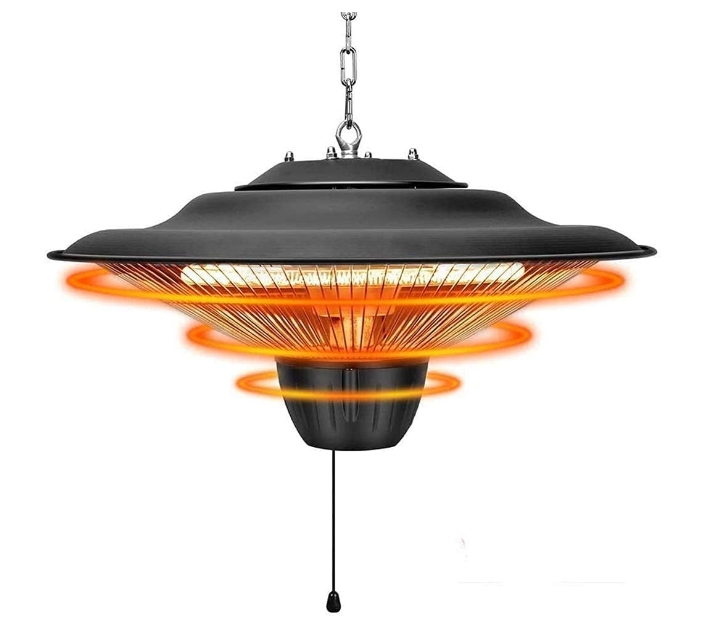
Why you should ditch those old bathroom heat lamps for infrared
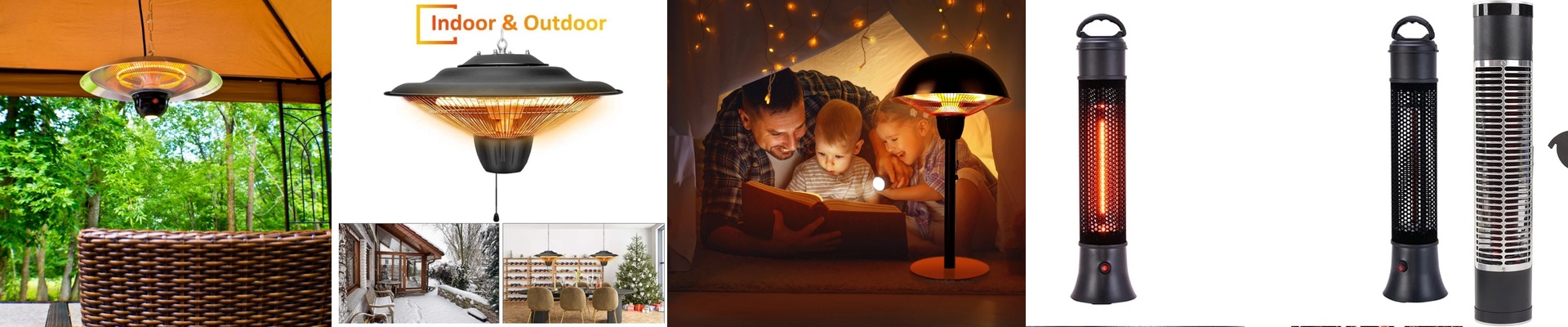
Ever notice how those old-school bathroom heat lamps just… don’t work? You turn them on, wait a while, and you’re still shivering. Worse yet, they tend to burn out or flicker the moment the room gets a bit too steamy. It’s a pain, and honestly, it’s because they aren’t built for the actual environment of a bathroom. That’s why we’re seeing everyone switch over to high-IP infrared radiators. Here is the real difference. Most heaters try to warm up the air. But heat rises. So, all that warmth just floats up to the ceiling while your toes are still freezing on the tile. Infrared is different. It doesn’t care about the air; it goes straight for you. It’s like stepping into a patch of sunlight on a cold day. You flip the switch and you feel itinstantly. No waiting around in a towel hoping the room catches up. Then there’s the safety side of things. Bathrooms are wet. Steam gets everywhere. Cheap heaters let that moisture seep into the guts of the machine, which ruins the contacts or, in worst-case scenarios, causes a short. We use sealed quartz tubes and heavy-duty gaskets to keep the water out. It just makes sense—you want your heater to handle a humid shower without becoming a hazard. If you’re thinking about swapping yours out during a Reno, it’s usually a pretty simple drop-in replacement. But a quick heads-up: these units can pull a bit more power. If your bathroom is still running on some ancient, low-amp lighting circuit, you might trip your breaker. It’s worth having an electrician check if you need a dedicated line first. One thing to keep in mind, though. Infrared is all about “line of sight.” It doesn’t fill the whole room with a blanket of warmth like a space heater does; it heats whatever it’s pointing at. So, placement is everything. Put it where you actually stand—like right by the shower—otherwise, you’ll just have a very warm wall and a very cold shoulder.