
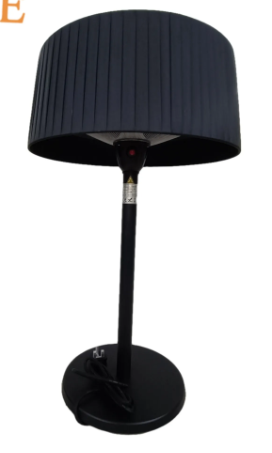
The Real Secret to IPX4 Infrared Heaters: It’s All in the Wires
Most people look at an IPX4 rating and think about the outer shell. They figure if the box is sealed, they’re good to go. But here’s the thing: the real disaster usually happens where the lead wires actually hit the heating element. In high-wattage infrared systems, that tiny junction is almost always the first thing to go.
Why these heaters actually fail
Heat doesn’t just stay put; it travels. Even with decent insulation, that heat creeps from the quartz tube right back toward the electrical connections. If you’re using standard potting compounds, they eventually crack. It happens because the materials expand and shrink every time you turn the heater on and off. Once that seal pops, moisture and grime sneak right into the terminal. It starts as a slow burn. The insulation degrades, things get messy, and eventually, you’ve got a dead short. If you’re buying generic OEM parts, you’ll see this happen way more often than you should.
Doing it the right way
We don’t just slap some silicone on the wire and call it a day. That doesn’t work. Instead, we use high-temp fluorosilicone or specific epoxy resins. The trick is picking materials that expand and contract at the same rate as the quartz and the copper. When the materials move together, the seal stays tight. It stays airtight. That keeps the “splash-proof” promise of the IPX4 rating exactly where it’s needed most. Plus, it stops the copper from oxidizing, which is usually what leads to those high-resistance joints that end in a total burnout.
One thing to watch out for
There is a trade-off. Better sealing makes the lead wire a bit stiffer. You can’t just bend these wires into a sharp angle like you would with unsealed leads. If you do, you risk cracking that potting material we worked so hard to get right. When you’re planning your wiring layout, give the wires some breathing room. Use a gradual bend. If you pull them too tight, you’re just putting mechanical stress on the seal, which defeats the whole point. Just let them sit naturally, and they’ll last a lot longer.