

Stop the Bathroom Mold: A Smarter Way to Dry Your Walls
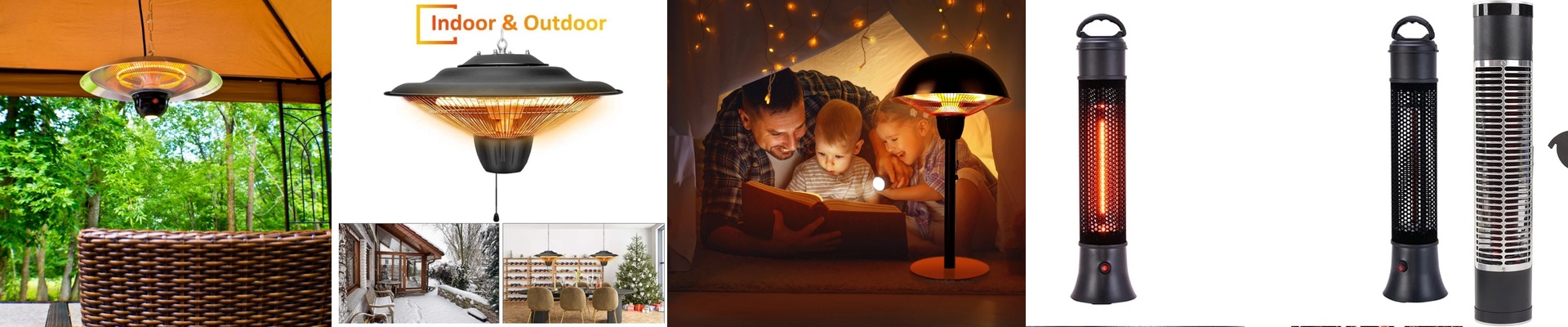
Most people see those infrared lamps in a bathroom and just think, “Oh, a heater.” But there’s actually something much cooler happening under the hood. Instead of just warming up the air, these things are basically sniping water molecules.
Why your current heater might be failing you
Here’s the thing about standard heaters: they warm the air. But when that warm, moist air hits a cold tile wall? It turns into condensation. That’s exactly where mold loves to move in and set up shop. Infrared is different. It doesn’t bother with the air. Instead, the energy goes straight into your walls and ceiling, warming the actual surface. When your walls stay warm, the moisture just can’t stick. It’s a simple way to keep your masonry dry and make your bathroom a place where mold simply can’t survive.
The “Catch” (and what to watch for)
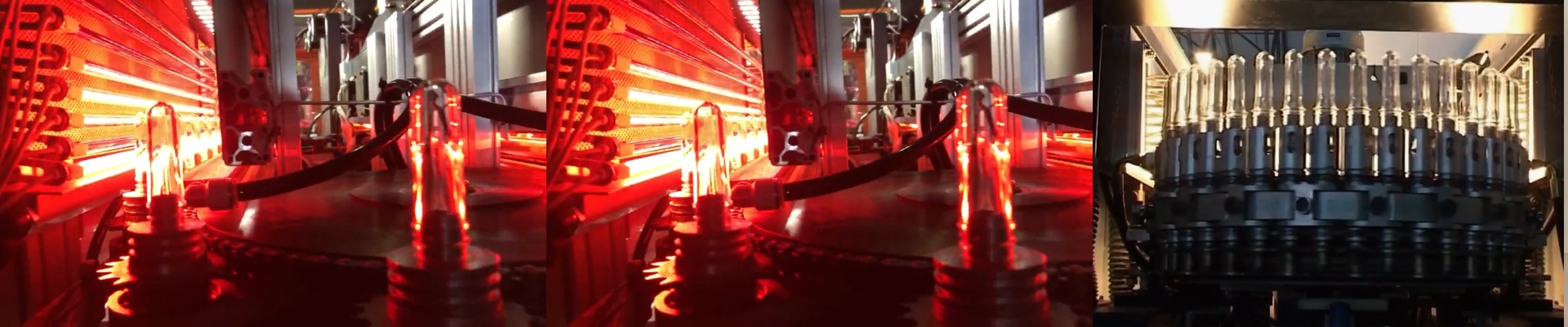
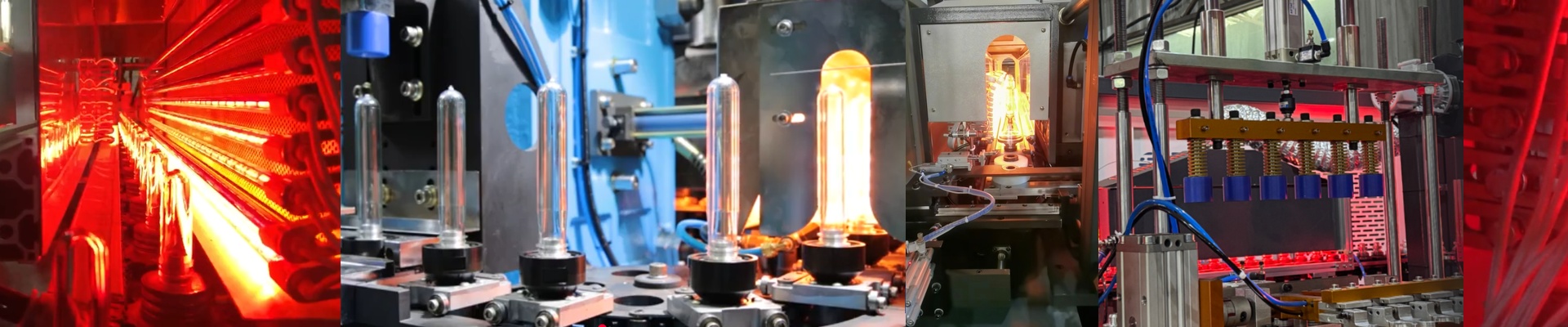
To make this work, we use high-wattage quartz elements. They’re powerful. They can punch right through damp grout and porous tiles to get the job done fast. But—and this is a big but—that power comes with a warning. Shortwave radiation is intense. If you hang the lamp too low or put a massive unit in a tiny room, you’re going to overheat the space. You’ve got to be mindful of the distance between the lamp and your walls. You don’t want to accidentally scorch your paint or melt a plastic soap dispenser.
Keeping things running
Since these live in the “splash zone,” the housings are built to keep steam out of the electronics. But they aren’t exactly “set it and forget it” appliances. You’ll need to keep those quartz tubes clean. If dust or soap scum builds up on the glass, it creates hot spots. That’s a quick way to burn out your tube. Just give them a quick wipe every now and then. It keeps the heat flowing and your bathroom dry.