

Stop Letting Your Patio Go to Waste in the Winter
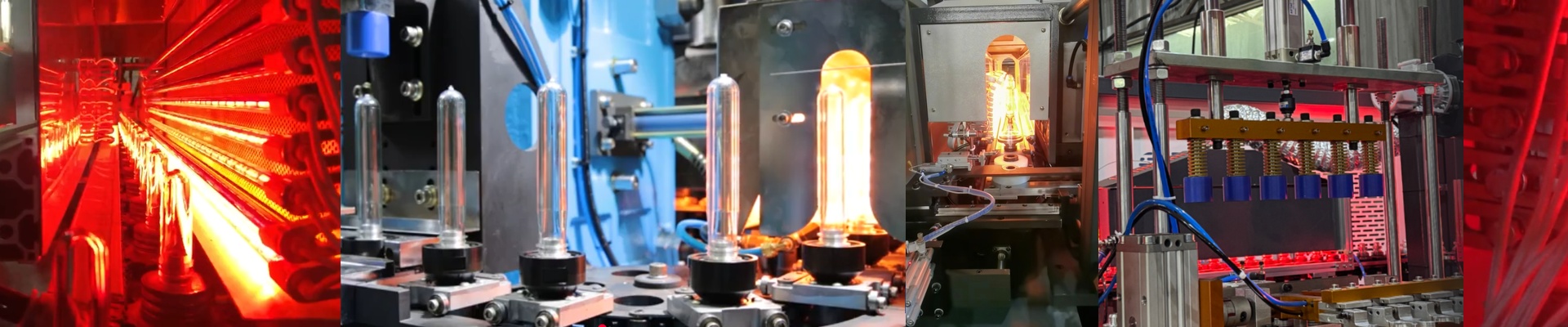
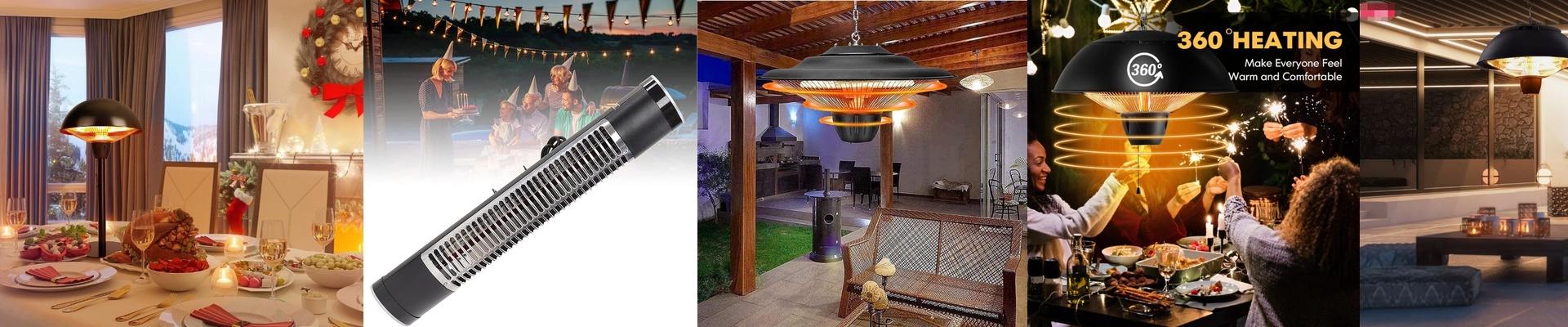
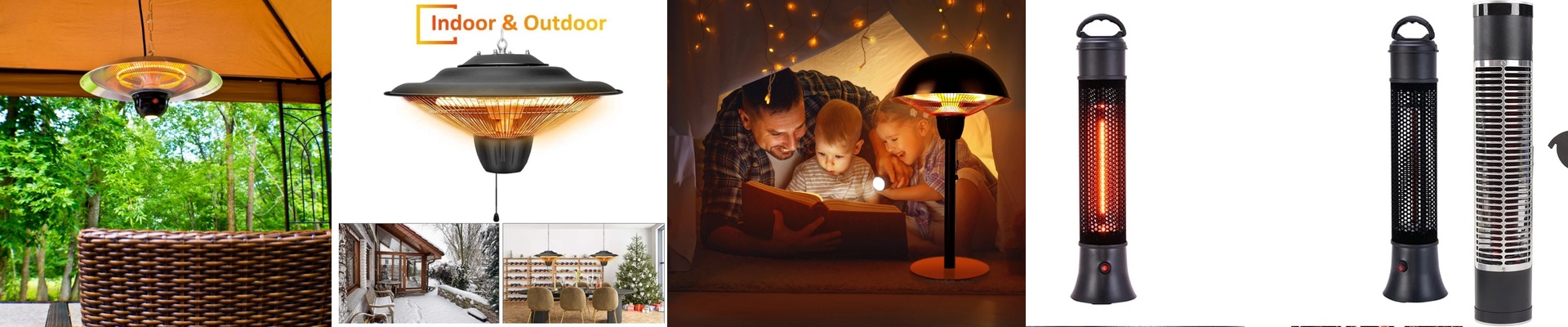
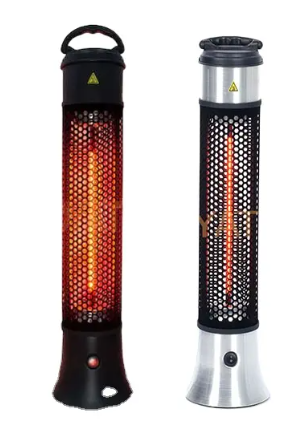
It’s a bummer seeing those outdoor tables sit empty the moment the temperature drops. You’ve got the space, but nobody wants to freeze while eating a steak. That’s where shortwave infrared heaters come in. Instead of trying to fight the wind by heating the air—which is basically a losing battle—these units go straight for the people and the furniture. It’s a different way of thinking about heat, and it’s the only way to keep your patio full when it’s freezing outside. The secret is in the waves. Think about those old-school heaters that blow warm air. The second a breeze hits, that heat is gone. It just floats away. Infrared is different. It sends out waves that don’t actually turn into heat until they hit something solid. Your guests. Your chairs. Your tables. This means you can keep one specific corner cozy without wasting money trying to heat the entire neighborhood. Getting the power right. To really beat a nasty wind chill, you need some muscle. We use high-wattage units with quartz tubes that focus the heat into a beam. It hits your customers instantly. Just a heads-up on the tech side: these usually need 220V-240V power. If you’re putting up a dozen of these, make sure your electrical panel can handle the load. The last thing you want is a blown breaker right in the middle of the Friday night dinner rush. More warmth, more orders. It’s simple. If a customer is shivering, they want to leave. They’ll eat their main course and bolt. But when they’re warm and comfortable? They linger. They stay for that second glass of wine or a slice of cheesecake and a coffee. When people feel good, they spend more. It’s that easy. A few things to watch out for. These things are powerful. Like, really powerful. If you hang them too low, you’re going to roast the tops of your guests’ heads, and nobody likes that. You’ve got to get the height just right—we usually suggest at least 2.1 meters. Also, make sure whatever you’re mounting them to can handle the heat without getting scorched. Get the placement right, and your patio stays open all year.