


Why You Should Swap Your Old Bathroom Heat Lamp for an IP65 Infrared Heater
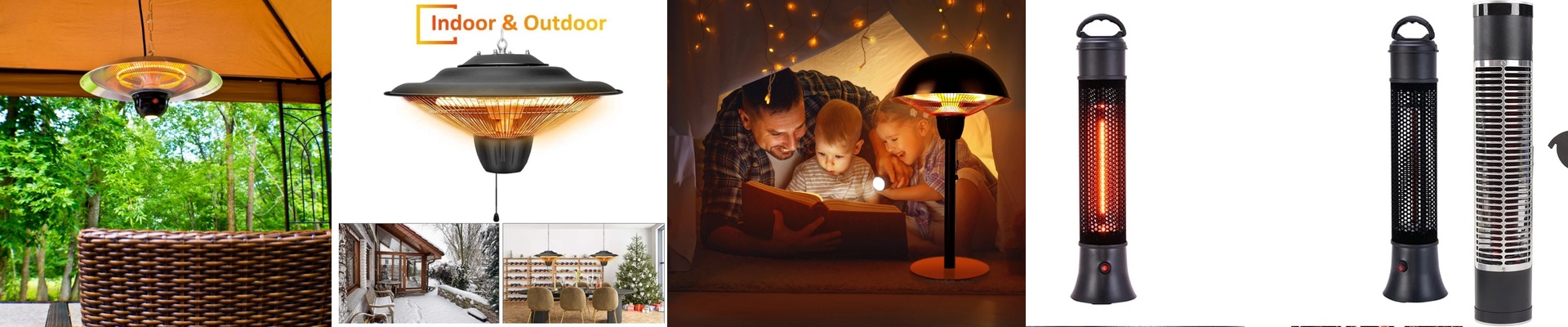
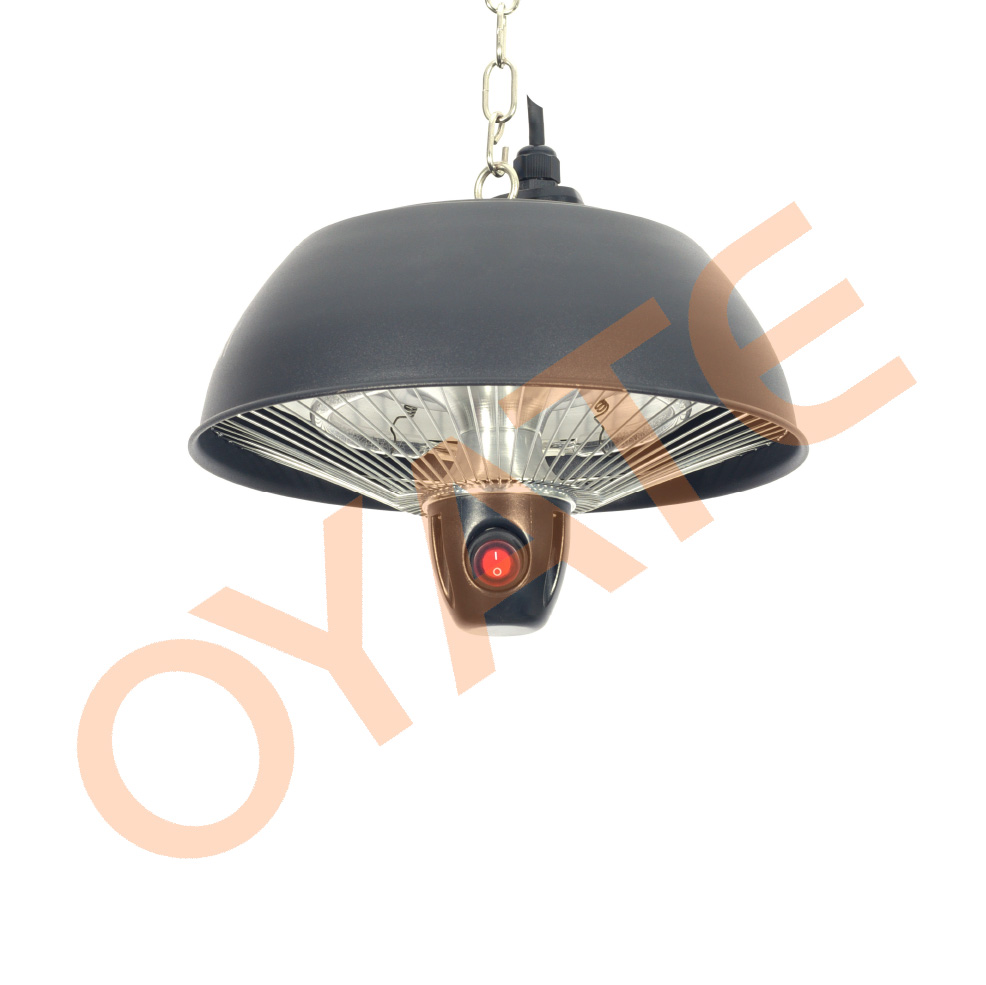
Let’s be honest: bathrooms are a nightmare for electronics. Between the thick steam and the occasional stray splash of water, your fixtures are basically fighting a losing battle against corrosion. If you’re still using those old-school heat lamps, you’ve probably noticed they don’t last forever. They aren’t built for the humidity. That’s why we’re seeing everyone move toward IP65-rated infrared heaters. They’re just built tougher. What’s the deal with “IP65”? If you aren’t a gear head, it basically means the unit is sealed tight. We use silicone gaskets and sealed cable entries so dust and water can’t get inside. Old heaters usually leak at the seams. Once that moisture hits the internal wiring, it’s game over. The heating element burns out, and you’re back to shivering in a cold bathroom. With an IP65 rating, that moisture never stands a chance. The magic of infrared Here is the best part: infrared doesn’t bother trying to heat the air. Think about it. In a big, open bathroom with a vent running, the warm air just disappears. You’re basically heating the outdoors. Infrared is different. It sends heat directly to your skin. It feels like stepping into a patch of sunlight on a cold day. It’s instant. You don’t have to stand there for ten minutes waiting for the room to “warm up”—you feel it the second you flip the switch. A few things to watch out for Now, you can’t just throw the highest wattage unit you find into a tiny ceiling. Because these things put out so much concentrated heat, you have to be smart about the footprint. If the unit is too powerful for the space, you might end up overheating your mounting brackets or the trim around the ceiling. Also, make sure your wiring can actually handle the load. You don’t want a voltage drop making your heater feel lukewarm. Getting it installed The good news? These are usually drop-in replacements. You can pull out the old fixture and slide this one in without tearing up your ceiling. Since the elements are sealed, you don’t have to worry about the humidity eating away at the filament over time. It just lasts. One big rule, though:**use a GFCI circuit.**Seriously. When you’re mixing high-power heat with a wet zone, a Ground Fault Circuit Interrupter is the only way to keep things safe. Don’t skip that step.