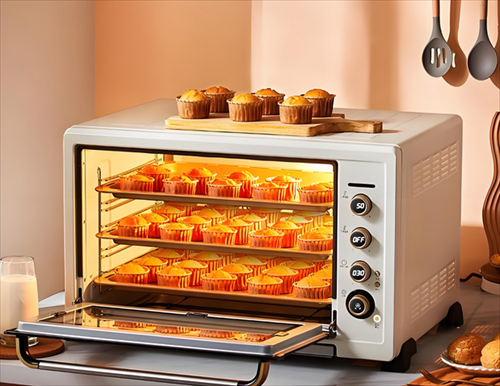
Why Your Oven is Wasting Energy (And How to Fix It)
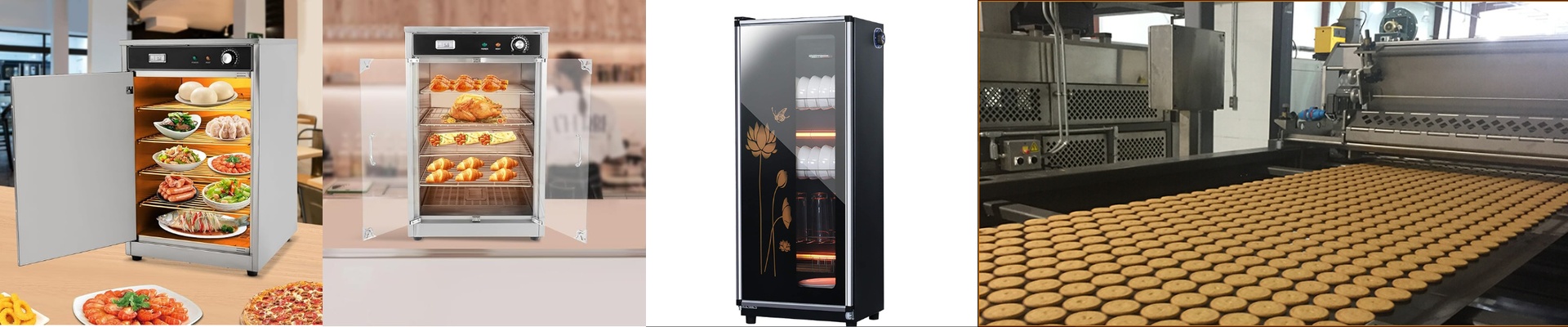
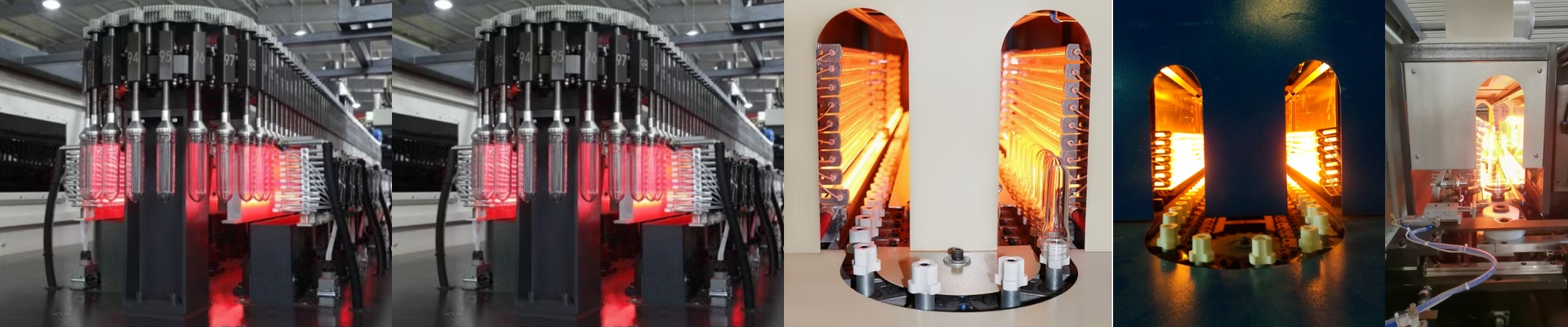
Ever notice how industrial ovens seem to have a mind of their own? You set the temperature, the controller clicks off, but the oven just keeps getting hotter. That’s because most of these machines use heavy metal heating elements. They’re like big old radiators—they take forever to warm up, and they take even longer to cool down. Even after the power is cut, that metal is still screaming hot, bleeding heat into the chamber. You end up fighting your own equipment, either cranking the cooling system or staring at a burnt crust. It’s frustrating. Enter carbon fiber. Instead of those thick alloy wires, we use carbon fiber filaments. The difference is night and day. Carbon fiber doesn’t hold onto heat the way metal does. It hits peak temperature in seconds. And the moment you kill the power? It drops just as fast. It’s almost instant. This means the heater only runs when it actually needs to. You stop fighting that annoying “heat soak” and the temperature stays exactly where you want it. When you tighten that gap, your electricity bill actually starts to drop. A few things to keep in mind Now, you can’t just swap the wires and walk away. Because the response is so snappy, you’ve got to get your PID tuning just right. If the settings are off, the system will “hunt” for the temperature, clicking on and off like a nervous heartbeat. You’ll also want a high-frequency switching relay or an SSR. Standard contacts just can’t handle that kind of rapid-fire cycling without burning out. The cool part? Since these elements are so compact, you can actually create “zones.” You can blast the top of the loaf to get that perfect golden brown without scorching the bottom. Just a heads-up: carbon fiber isn’t a steel rod. It’s a bit more sensitive to shaking and vibrations. Just make sure your mounting brackets are rock solid so nothing snaps when you’re loading the oven.