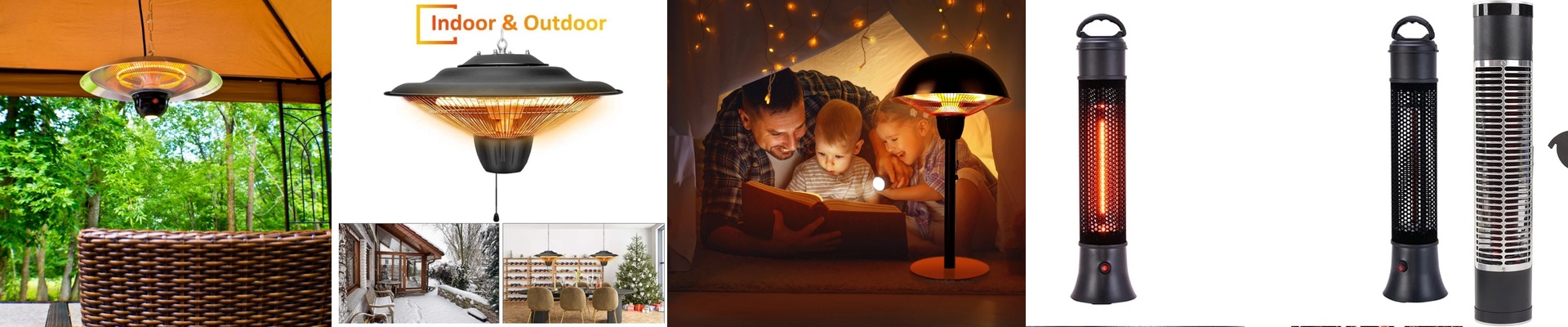



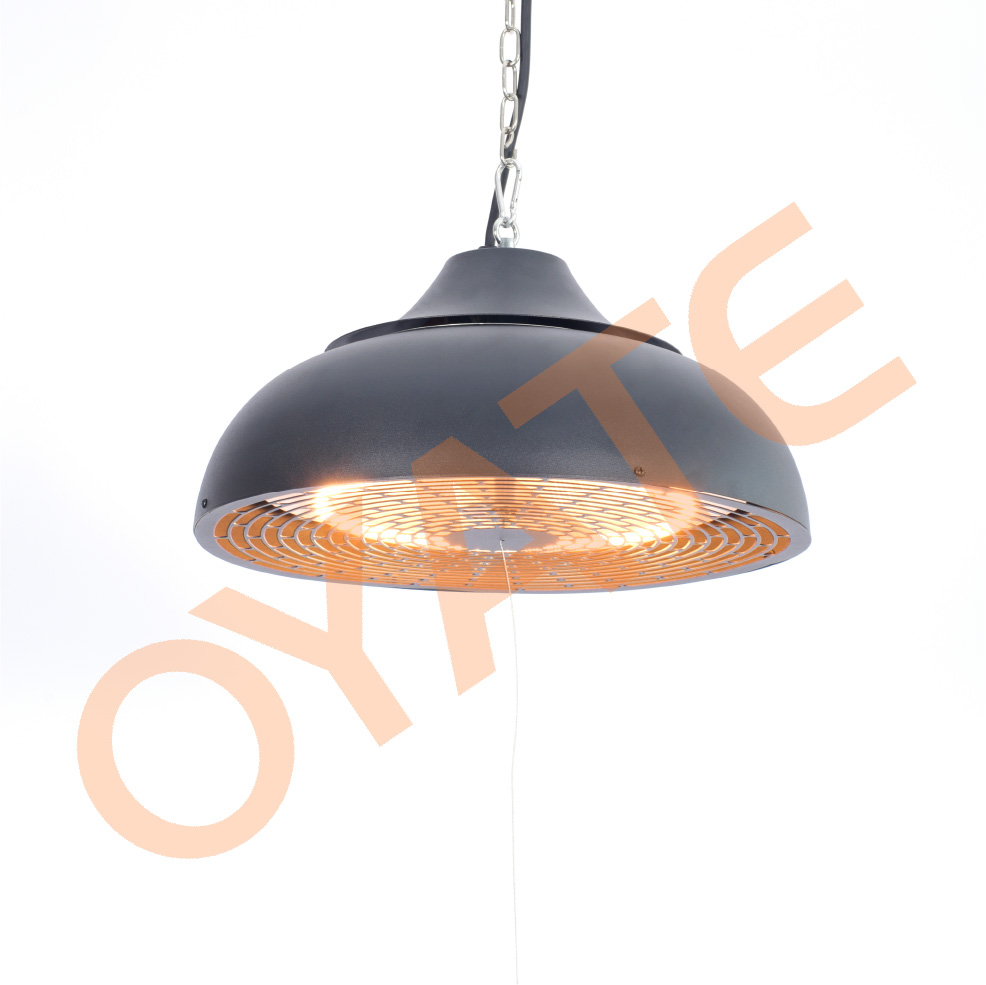
Keeping Your Outdoor Heaters Alive: The Truth About IP65
If you’ve ever put a heater outside, you know the deal. Rain, salt air, and those brutal temperature swings are basically a death sentence for most electronics. We’ve all seen those cheap units that work great for a month and then just… die. Usually, it’s because water got in and killed the heating element. That’s why we obsess over the IP65 rating.
What “IP65” Actually Means for You
In plain English? It means the thing is dust-tight and can handle a blast of water from any direction without flinching. We don’t just slap a cover on it and call it a day. We use silicone gaskets and sealed cable glands at every single spot where a wire enters the box. Why? Because if even a little moisture sneaks in and hits a red-hot infrared tube, the tube cracks. It’s called thermal shock. One minute you’re warm, the next you’ve got a short circuit and a very expensive paperweight.
Fighting the Fog
Then there’s the fog. You know that annoying haze that builds up inside a lens when warm, damp air hits a cold surface? It kills your heat output. To stop that, we use specific anti-fog coatings and a bit of clever venting to keep the internal pressure balanced. We also angled the chassis. It sounds simple, but it works—water just slides right off instead of pooling around the electrical guts.
The Trade-off (Because Nothing is Perfect)
Here is the catch. When you seal a unit this tight to keep the rain out, the heat has nowhere to go. Since we’ve blocked the air leaks, the internals run hotter than they would in an open-air heater. Just a heads-up: when you’re mounting these,give them some breathing room. Don’t cram them too tight against a wall or ceiling, or you might overheat the structure around it.
Making it Last
The real win here is dodging corrosion. By locking out the moisture, we stop the internal wiring from rusting or oxidizing. That’s the “burn out” you see in budget heaters. Instead, you get a steady flow of power and a filament that actually lasts. Just one tip: make sure your external wiring is also rated for IP65. There’s no point in having a waterproof heater if the wires leading into it are leaking. Keep the whole chain sealed, and you’re golden.