
Keeping Your Infrared Heat Steady in a Steam Oven
Let’s be honest: steam and infrared lamps don’t usually get along. When you throw high-intensity heat into a room full of moisture, things go south quickly. Filaments burn out way too early, and your temperatures start jumping all over the place. It’s frustrating. That’s why we build our heating elements to hold their ground, even when the air is thick with steam.
Getting the Power Right
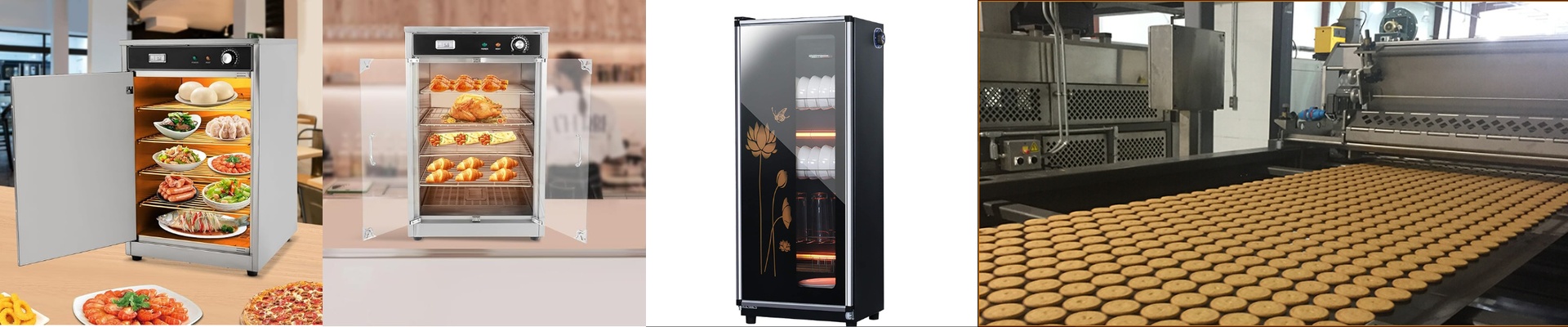
It all comes down to the wattage-to-length ratio. If you’re running a hot dog warmer or a steam oven, you can’t afford a “temperature dip” every time someone opens the door. You need that heat to hit instantly. We wrap the tungsten filament in high-grade quartz glass to keep the internal gas mixture exactly where it needs to be. But here’s the thing: if your voltage is bouncing around, your heat output will too. To keep that infrared wavelength steady, you just need a power supply that doesn’t flicker.
Why Most Lamps Fail (and Ours Don’t)
Most standard lamps just aren’t built for this. Moisture sneaks into the seals, and then it’s game over. We fixed that by using reinforced end-caps and seals that actually keep the gas inside. Plus, the quartz we use can handle the shock of heating up and cooling down rapidly without cracking. We also skipped the cheap coatings that tend to flake off when things get hot. Instead, we just use pure quartz. It’s simpler, and it lets more IR light through.
Making it All Work Together
Fitting these into a tight space is a bit of a balancing act. If you crowd the lamps too close together, you’ll get hotspots that scorch your food. Nobody wants a burnt hot dog. You have to find the sweet spot between heat density and airflow. Sure, high-wattage tubes get the job done fast, but they pull more power. Just make sure your wiring can handle the peak current so you don’t see a voltage drop. As long as your sockets match, these should slide right into most industrial warmers without any fuss.