
Stop Fighting Your Heating Profiles: A Better Way to Handle Sidel Matrix Lamps
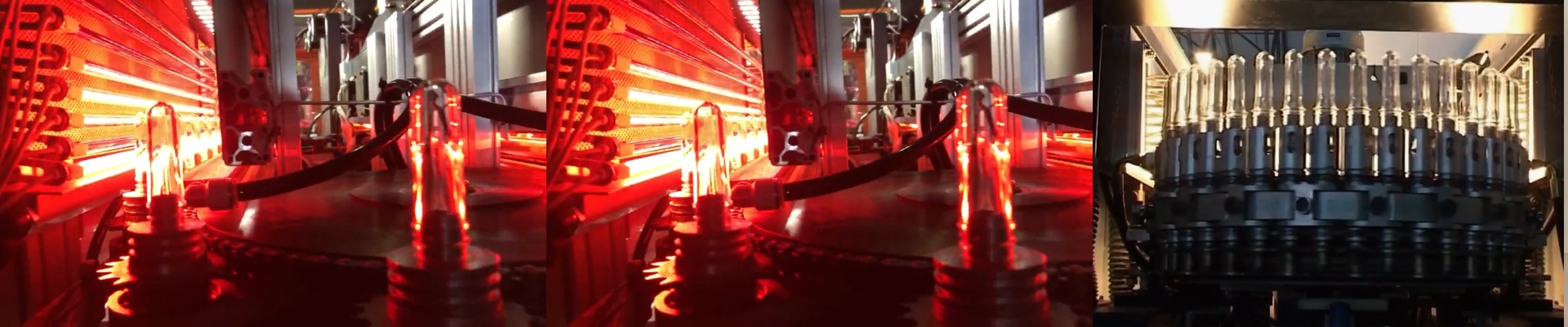
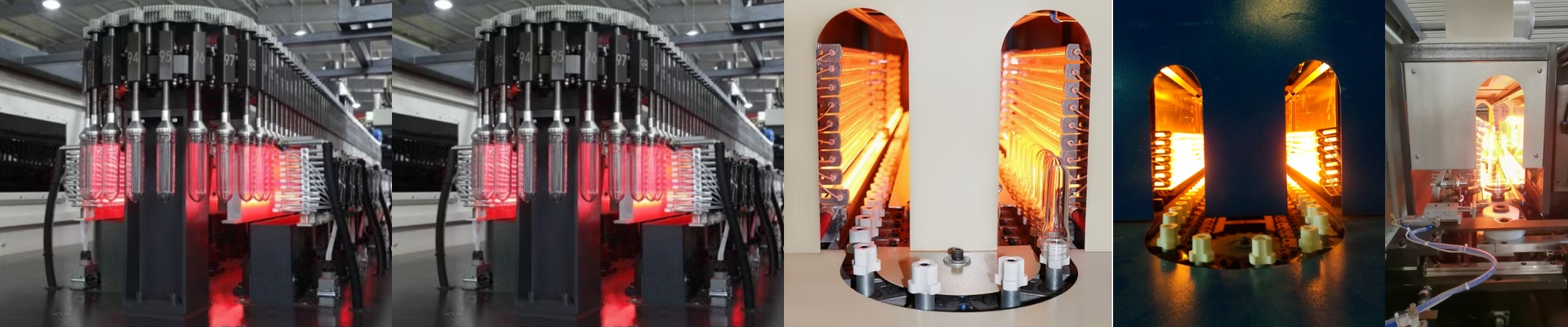
Here is the problem with swapping out OEM lamps in a Sidel Matrix machine: the temperature curve loves to shift. It sounds like a small thing, but if the wattage or the IR spectrum is off by even a tiny bit, your PET preforms won’t heat evenly. Suddenly, you’re staring at bottles with weird wall thickness or that annoying pearlescent haze. Not exactly the look you’re going for. The secret is in the match. We don’t just make lamps that “fit” the space. We make them match the electrical footprint exactly. It’s not just about the length of the quartz tube—it’s about the voltage and wattage. When those numbers line up, the filament hits the right temperature. That means the short-wave IR radiation actually penetrates the PET at the depth it’s supposed to. No guesswork. What’s actually inside? We use high-purity quartz glass because, let’s be honest, these things take a beating under high thermal stress. Cheap glass burns out. Ours doesn’t. We also calibrate the filaments to stop “hot spots” from popping up along the tube. And since we use standard industrial connectors, they just slide right in. You won’t be spending your afternoon rewiring the oven or messing with lamp holders. Real talk from the shop floor. These lamps can handle high-speed production without breaking a sweat. You’ll get the same ramp-up time you’re used to with the original parts. But a quick heads-up: if you’re running these at max output, your cooling fans are going to work harder. If your ventilation is clogged with dust, the heat builds up and can kill any lamp, no matter how well it’s built. Keep those fans clean. The goal here is simple. We match the output and the spectral distribution so you can just plug them in. You keep your existing heating profiles, and you get back to work without spending hours recalibrating the machine.